Solar Panel Removal & Reinstall for New Roof
Solar, Roofing, Home Improvements
Solar Panel Removal and Reinstallation for Your New Roof – Process, Permits, and Pricing
You’re about to invest thousands of dollars in a new roof, but a single mistake with your existing solar panels can void warranties, cause leaks, or even lead to denied insurance claims. When handled correctly, the same project can protect your roof, preserve your solar investment, and keep you fully up to date on permitting in 2026. With the right licensed contractor, you can protect your investment, stay compliant with permit requirements, and enjoy long-term, leak-free performance from both your roof and your solar system, including a safe solar panel removal and reinstallation.
📌 Real-World Snapshot: In 2025, a homeowner in Sacramento saved more than $7,000 in potential repair costs when their licensed solar and roofing contractor documented every step of the solar panel detachment and reinstallation. That report later helped fast-track approval of a minor storm-damage claim, with no questions from the insurer, thanks to proper solar panel system removal, reinstallation, and documentation of the process.
Why Solar Panel Removal and Reinstallation Matter When You Replace Your Roof
Your solar panels are designed to last 25 years or more, while many roofs need to be replaced sooner. When it’s time for a new roof, the panels must be safely removed, stored, and then reinstalled on the finished surface. When done correctly, this solar panel removal and new roof and solar panel roof replacement process protects the roof structure, wiring, and warranty coverage. When done poorly, it can cause leaks, electrical hazards, and denied insurance claims—especially if there isn’t a proper solar panel system shutdown or proper sealing of solar panel roof penetrations.
“We see at least one roof a month where a ‘handyman’ helped with the solar panels and left holes unsealed. Those jobs often end in mold, rotten wood, and a frustrated homeowner who has to pay twice to fix it, including new solar panel flashing replacement and correction of solar panel roof attachments.”
— Case summary from a roofing and solar contractor in California, 2024
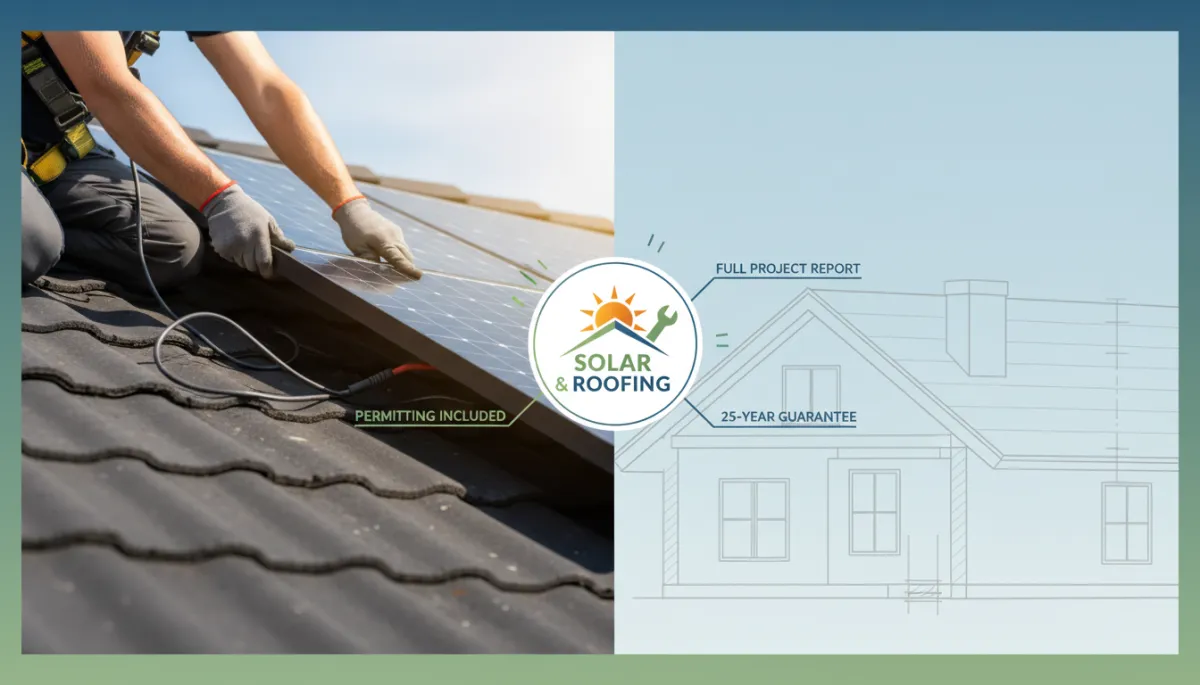
Full Project Report: Clear Documentation from Start to Finish
A professional solar panel removal and solar panel reinstallation service should include a full project report that you can keep for your records, your insurer, and any future home sale. This report typically includes:
Pre-project assessment with photos of the existing roof and solar layout, including the condition of solar panel roof attachments, before the solar panel uninstall
Electrical and structural notes, including any code upgrades completed during the solar panel hardware upgrade or component replacement
Copies of all permits, inspections, and approvals, detailing solar panel permit requirements and any solar panel removal inspection
Final system test results and warranty details, including leak coverage and solar warranty protection
You can download an example full project report here to see exactly what this level of solar system documentation looks like for a detach-and-reinstall project.
This level of documentation shows that your project met current codes and permit rules, which are under increased scrutiny in 2026, and provides proof that the work was performed by a qualified, licensed contractor—ideally a solar panel removal contractor who is also a roofing expert.
📌 Case Study – “The Smooth Sale”: A homeowner in Phoenix sold their house in 2025 with a 7 kW solar array. Because they had a full project report from a previous roof replacement, the buyer’s inspector approved the solar system and roof in a single visit, and the home appraised for $18,000 more than comparable properties without documented solar D/R service or evidence of an active roofing manufacturer warranty.
Step by Step: Solar Panel Detach and Reinstall Process
Although every home is unique, a typical removal and reinstallation follows a professional, structured roofing + solar detach and reinstall workflow:
Assessment and quote: The contractor inspects your roof, reviews the existing solar design, and provides a written quote detailing scope, schedule, and warranties. In 2026, most projects still fall within the $1,500–$6,000 range for solar panel removal and reinstallation alone, depending on system size and complexity (SolarReviews, EnergySage). This information helps you understand the cost of removing and reinstalling solar panels and compare removal pricing between companies.
System shutdown: The crew safely powers down the solar array and disconnects it from the grid to protect workers and equipment, following a solar panel safety shutdown and solar panel system shutdown protocol before any roofing work begins.
Panel removal: Panels are carefully removed, wiring is labeled, and components are stored in a clean, safe area to prevent damage during the roofing work (SolarReviews, EnergySage). This solar panel detachment and uninstall step includes proper labeling and documentation to make reinstallation easier.
Rail and hardware removal: Mounts and flashing are removed if the roof decking or underlayment will be replaced, leaving the entire surface open for your roofer. This is often when solar panel hardware replacement and solar panel waterproofing upgrades are completed, where needed.
Roof replacement: The roofing crew installs your new roof, coordinating with the solar contractor to ensure attachment points are properly planned and sealed. This coordination is key to maintaining your roofing manufacturer's warranty and strong solar panel leak prevention.
Rail reinstallation: New or existing rails are installed with flashing and waterproofing systems that meet code at every roof penetration, protecting against leaks for decades. This step focuses on proper sealing of solar panel roof penetrations and a code-compliant solar panel reinstall.
Panel and wiring reinstallation: Panels are remounted, electrical connections are redone to meet current NEC 2026 standards, and labeling is updated as needed. The solar panel re-mounting, reinstallation, and hardware upgrade process ensures safety and performance.
Testing, inspection, and reactivation: The system is tested, the local authority conducts an inspection if required, and it’s then safely re-energized and monitored. This is where compliance with solar permit requirements is verified, and the solar electrical inspection is completed.
📌 Case Study – “Three Days, Zero Surprises”: A 24-panel system in San Diego was removed on Monday, the roof was replaced on Tuesday, and the system was reinstalled and re-energized by Wednesday afternoon. Because the contractor had mapped and labeled every circuit in advance during the solar panel system removal, the homeowner lost only 2 days of solar production and kept all warranties and solar warranty protection intact.
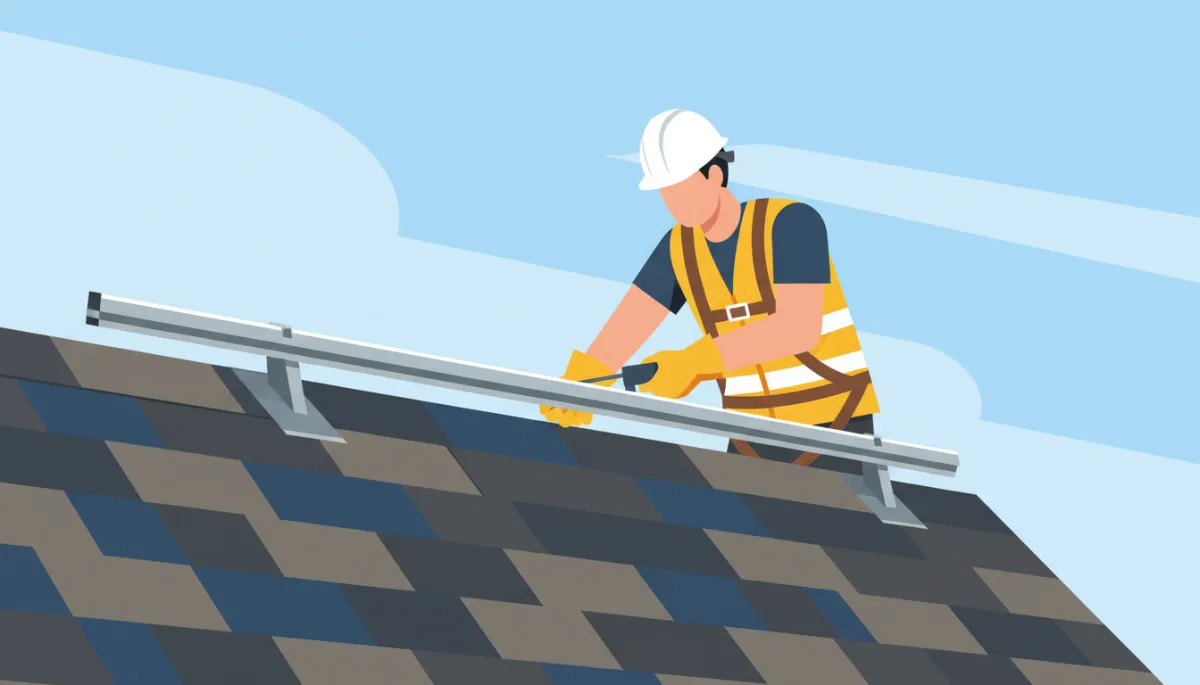
Proper racking, flashing, and sealing are critical to a truly leak-free solar roof after a remove-and-replace solar panel project.
The Importance of Proper Permitting in 2026
Even if you don’t change your system size, most jurisdictions treat a removal and reinstallation as work that must comply with current electrical and building codes. In 2026, many areas are adopting instant or expedited solar permitting platforms, but they still require:
Updated plans showing the actual racking, wiring, and roof layout (permitdesign.com; wattmonk.com), especially after a solar panel roof replacement or detach and reinstall project
Compliance with the latest NEC 2026 safety requirements, including rapid shutdown and grounding, to ensure a code-compliant solar reinstall and proper solar panel safety shutdown
Final inspections or virtual inspections before the system is re-energized, including any solar panel removal inspection required by the city or utility
Skipping permits can create serious problems: utilities may refuse interconnection, insurers may deny roof or fire claims, and potential buyers may walk away when they see undocumented electrical work. A licensed solar removal company that also does roofing will handle all of this for you and keep your project compliant with evolving 2026 rules, including all solar panel permit requirements.
⚠️ Real-World Warning: A homeowner in Nevada replaced their roof without pulling permits for the solar panel removal and reinstallation. Two years later, a small attic fire led the insurance company to uncover the undocumented work, and the claim was partially denied, leaving the homeowner with more than $20,000 in out-of-pocket costs—even though a properly handled solar panel removal for an insurance claim could have avoided the issue from the start.
All Permit Fees Included: No Surprise Costs
When comparing quotes, look for one that clearly states that all permit fees are included. Between building permits, electrical permits, and potential utility review fees, costs can add up and vary by city or county. Including them in your contract means:
No extra trips to city hall or confusing paperwork for you during the solar panel removal and reinstallation process
Transparent, all-in pricing that makes it easier to compare proposals from different solar panel removal contractor and roofing companies
Confidence that your contractor plans to do the job to code and in line with current solar permit requirements
📌 Case Study – “The Surprise Line Item”: A homeowner in Colorado accepted a low bid that did not include permit fees. By the end of the project, added charges for permits and utility reviews tacked almost $1,100 onto the bill—more than the supposed savings compared with a competitor who had quoted an all-inclusive price from day one for the solar panel removal for a new roof and reinstallation.
Why a Licensed Solar and Roofing Contractor Is So Valuable
Some homeowners consider hiring a roofer and an electrician separately—or even a handyman—to save money. In reality, the safest and most cost-effective option is a licensed contractor qualified in both solar and roofing. That combination delivers key benefits for any solar panel removal for storm damage or a planned upgrade project:
A single point of responsibility for roof integrity, wiring, and system performance after the removal and replacement of solar panels work
Coordinated scheduling so your panels are off the roof for the shortest possible time during the detach and reinstall
Access to manufacturer-approved hardware and mounting methods that keep warranties valid and maximize solar panel leak prevention
💡 Pro Tip: Ask for license numbers for both roofing and electrical work, plus proof of insurance, before signing any contract with a licensed solar removal company or roofing firm.
📌 Case Study – “Who Covers the Leak?”: On a project in the Midwest, a separate roofer and electrician blamed each other for a slow leak that appeared six months after reinstallation. Because neither company owned the full scope of work, the homeowner spent nine months chasing repairs. On similar projects handled by a dual-licensed contractor, leak concerns were resolved under a single warranty and with a single phone call, backed by clear solar system documentation.
Professional Workflow and Safety Measures You Should Expect
A high-quality contractor follows a disciplined, professional workflow designed to keep your family, property, and crew safe. That includes:
Written schedules and clear communication before crews arrive on-site to begin solar panel removal and roofing work
Fall protection, harnesses, and guardrails for anyone working on the roof during the solar panel roof replacement
Lockout/tagout procedures when the system is shut down so it can’t be energized accidentally, following good solar panel safety shutdown practices
Organized storage of panels and components to prevent damage and trip hazards during detachment and reinstallation
These safety measures aren’t just “nice to have”; they’re part of OSHA and electrical safety best practices and are a strong sign that your contractor takes every part of the job seriously—from the solar electrical inspection to the solar panel roof penetration sealing.
📌 Real-World Example – “Safety First, No Injuries”: On a two-story re-roof with 30 panels in Texas, the contractor used full fall protection and clearly marked ground-level work zones. The project finished on time with zero incidents, and the homeowner’s security cameras captured how organized and careful the crew was throughout the entire solar D/R service.
25-Year No-Leak Warranty and Long-Term Protection
Many homeowners’ biggest fear is roof leaks after the solar system is reinstalled. That’s why it’s so valuable to choose a contractor who offers a 25-year no-leak warranty on all solar attachment points. It shows confidence in their roofing skills, solar mounting methods, and approach to solar panel waterproofing.
Combined with your solar equipment manufacturer's warranties, this no-leak warranty gives you long-term protection for:
The roof structure and waterproofing under each solar attachment point, backed by proper solar panel flashing replacement when needed
The performance of your solar array, since water damage and rot are far less likely after a code-compliant solar reinstall
Your home’s resale value, thanks to documented, warrantied solar panel roof replacement, and the ability to remove and replace solar panels, works
📌 Case Study – “The Storm Test”: A coastal homeowner with a 25-year no-leak warranty went through two major wind and rain events after their re-roof and reinstallation. Post-storm inspections showed no moisture around any of the solar penetrations—proof that high-quality flashing and long-term warranties can withstand real-world weather and protect your solar investment.
Getting Your Quote and Next Steps
If you’re planning a roof replacement and already have solar, the smartest move is to contact a licensed solar and roofing contractor early. Ask for:
A written quote that includes removal, storage, reinstallation, and all permit fees, so you clearly understand the cost to remove and reinstall solar panels and the total cost of the detach and reinstall project
Details about their 25-year no-leak warranty and other guarantees related to your solar warranty protection and roofing manufacturer warranty
An example full project report so you can see the level of solar system documentation you’ll receive
With a professional workflow, strong safety practices, proper permits, and long-term leak protection, you can upgrade your roof with confidence and keep your solar system working hard for decades—whether it’s a solar panel removal for storm damage or a planned solar panel roof replacement upgrade.
📌 Real-World Outcome – “From Confused to Confident”: A homeowner gathered three quotes, but only one included permit fees, a sample project report, and a 25-year no-leak warranty. They chose the most complete proposal and later said the added clarity “was worth every penny” when the project finished on time, on budget, and with clean documentation for their records—including all solar panel removal inspection and solar panel hardware upgrade details.
💬 Join the Conversation: Have you gone through a solar panel removal and reinstallation, or are you planning one soon? Share your experience, questions, or lessons learned in the comments so other homeowners can benefit from your story, and feel free to ask for advice if you’re still evaluating solar panel removal contractor or licensed solar removal company options.
✅ Work with Our Team: If you want a fully licensed and insured partner to handle your solar removal, reinstallation, and permits from start to finish, our company can help. Visit https://fusedsolarandroofing.com/ to learn more, request a quote, or schedule a consultation for your solar panel removal, solar panel reinstallation, and new roof project.