5 Signs Your Tampa Solar System Needs a Detach and Reinstall
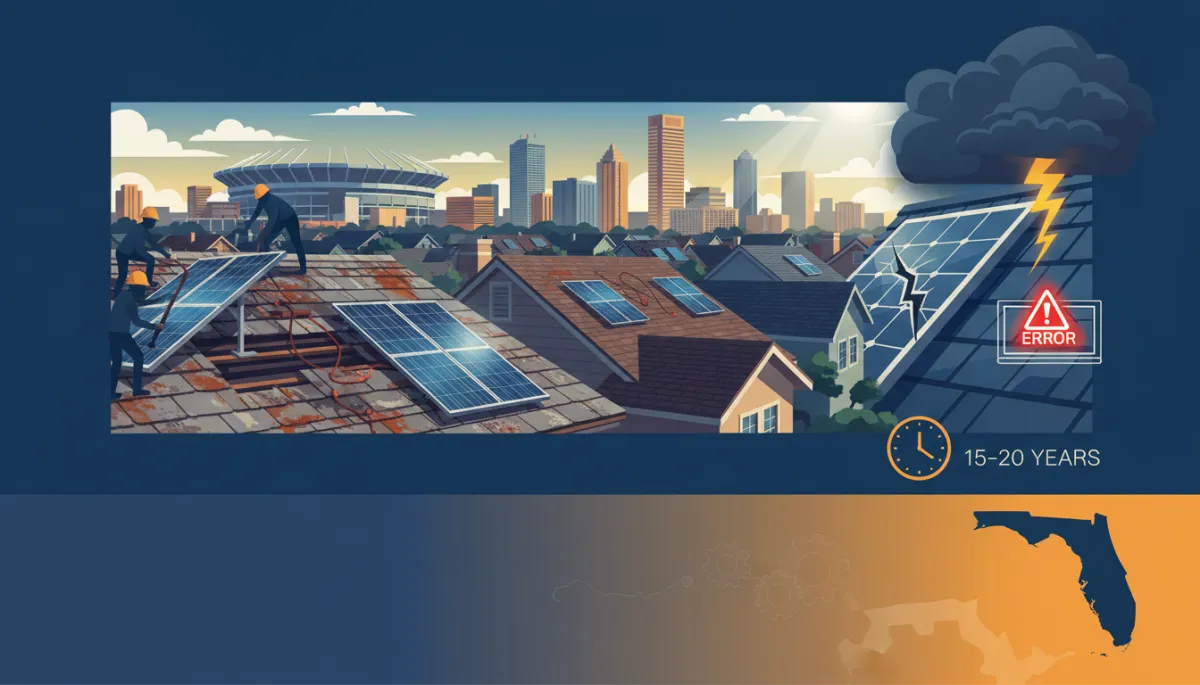
Declining output, an aging roof, or storm exposure can all be warning signs that your solar panels need more than a quick tune‑up. For many Tampa homeowners, a professional detach & reinstall is the safest, most cost‑effective way to protect both your roof and your solar investment before minor issues turn into expensive damage.
Why Detach & Reinstall Matters in Tampa’s Climate
Tampa’s mix of intense UV exposure, high humidity, salt‑laden air, and frequent storms puts extra stress on rooftop solar systems. Over time, that stress doesn’t just affect your panels. It can compromise your roof, mounting hardware, wiring, and even your warranties if problems are ignored. A detach & reinstall (often called D&R) involves safely removing the solar array, addressing roofing or structural issues, and then reinstalling the system to current standards.
Unlike a basic cleaning or a quick part swap, detach & reinstall is a system‑level service. It is especially critical when the roof under your panels is aging, storm damage is suspected, or hardware and wiring have deteriorated in Tampa’s harsh environment. Here are five clear signs your Tampa solar system may be due for a professional detach & reinstall.
Sign #1: Declining Energy Production Despite Good Sun Exposure
If your monitoring app shows that your solar production is steadily dropping year over year—and nothing obvious has changed with shading or weather patterns—that’s a major red flag. In Tampa, panels should perform consistently, aside from normal seasonal variations and minor long‑term degradation. When output falls sharply even in clear, sunny months, something deeper is going on.
You see a 15–30% drop in production compared to the same month last year, even though the weather has been similar.
Your utility bill is climbing again, despite having the same household usage habits.
Individual panel data (if available) shows multiple underperforming modules, not just one outlier.
In Florida’s heat and humidity, accelerated degradation can affect wiring, connectors, and junction boxes—not just the glass panels. Industry testing in recent years has shown rising failure rates for modules under damp heat and UV stress, both of which are constant in Tampa. When several parts of the system start to underperform at once, it often points to aging or weather‑worn components across the array and the roof attachments, not a single bad panel or dirty glass.
💡 Pro Tip: Compare at least two to three years of monthly production data. If your system is losing performance faster than about 0.5–1% per year and cleaning doesn’t help, it’s time to look beyond simple maintenance and consider a system‑level evaluation.
Sign #2: Roof Age Approaching or Past 15–20 Years Under the Panels
In Tampa, many shingle roofs have a practical life expectancy of about 15–20 years, sometimes less when exposed to repeated storms, high temperatures, and humidity. If your solar panels were installed on a roof that was already 8–10 years old—or if your roof is now approaching that 15–20‑year mark—the clock is ticking on a necessary detach & reinstall.
Granule loss, curling shingles, or soft spots near where rails are attached.
Previous roof repairs that stopped at the panel edges because the installer didn’t remove the system.
Roofers telling you they can’t fully replace or re‑roof without the solar being taken off.
A detach & reinstall allows a roofing and solar team to remove the array, replace or repair the roof correctly, and reinstall the system with updated flashing, seals, and hardware. Trying to patch around the panels is a short‑term fix that often leads to leaks, mold, and even structural issues in Tampa’s heavy rains. When the roof is nearing the end of its life, the smart move is to coordinate roof work and detach & reinstall together, so you only pay once for removal and reinstallation.
💡 Pro Tip: If your roof will need replacing within the next 3–5 years, it’s usually more cost‑effective to plan a detach & reinstall alongside a roof project now, instead of waiting for leaks or storm damage to force an emergency replacement.
Sign #3: Visible Corrosion, Rust, or Loose Mounting Hardware
Tampa’s salty air, especially in neighborhoods closer to the bay or Gulf, is tough on metal. Over time, rail systems, bolts, clamps, and even panel frames can develop corrosion. You might notice rust streaks, white oxidation, or hardware that looks worn or loose. These aren’t just cosmetic issues—they can be early warnings of structural and waterproofing failures.
Rust around lag bolts where mounts penetrate the roof.
Corroded rail sections or clamps that no longer sit tightly against the panel frames.
Panels that appear slightly shifted or uneven compared to how they looked when new.
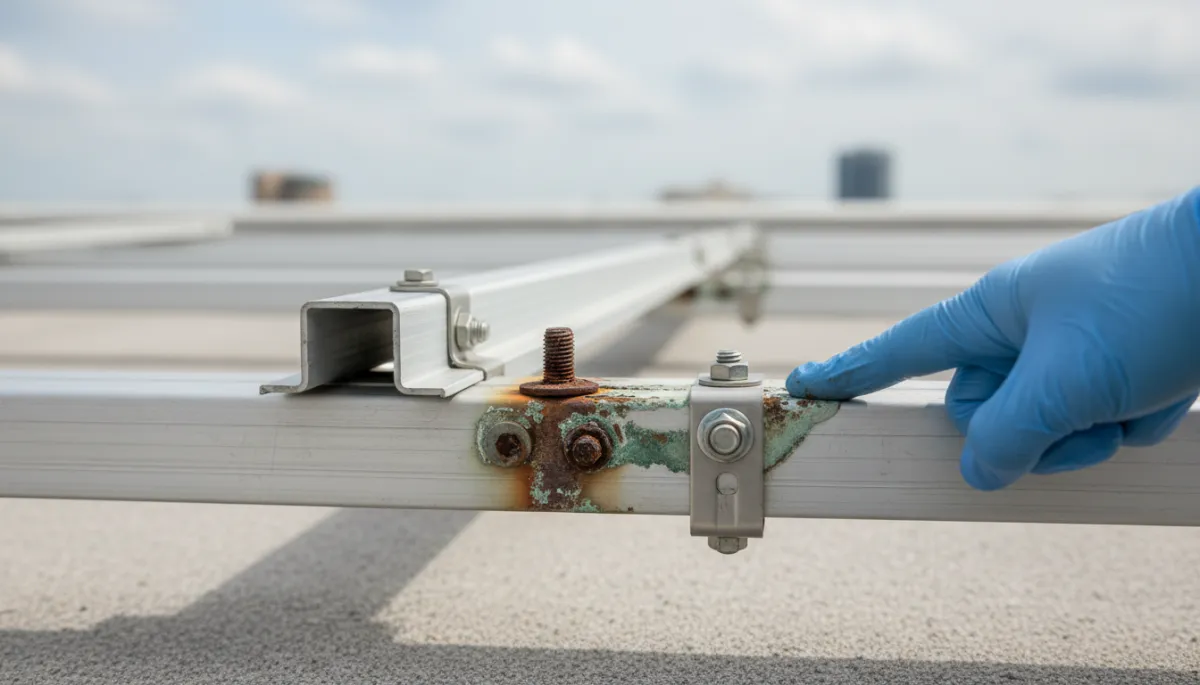
Corroded mounting hardware can compromise both roof waterproofing and wind resistance.
When corrosion shows up across multiple attachment points, it’s rarely enough to just swap one or two bolts. A proper detach & reinstall lets a qualified crew remove the array, replace aging hardware with components better suited to Tampa’s environment, reseal penetrations, and verify that the system will stay secure in high winds. That’s especially important in a region where even an EF‑0 tornado can produce winds near 80 mph, and hurricanes regularly test rooftop structures.
Ready to keep your solar system in peak condition? Schedule a free solar panel cleaning and maintenance audit at https://tampasolarmaintenance.com
Sign #4: Recent Storm Damage or High Wind Exposure, Even If It Still “Works”
Tampa’s storm history—hurricanes, tropical storms, and even brief tornadoes—means your solar system is likely to experience significant wind and debris at some point. After a major storm, it’s common for panels to appear fine at a glance while hiding deeper problems: loosened mounts, micro‑cracks in panels, damaged wiring, or compromised roof flashing that will only reveal itself later as leaks or electrical faults.
You’ve had shingles blown off or replaced near your array in the last couple of years.
You heard or saw debris hitting the roof during a storm, especially around the panels.
You notice new ceiling stains, attic moisture, or musty smells after heavy rain.
Even if your inverter is still producing power, storm‑related stress may have weakened the system’s structural integrity. A detach & reinstall following roof repairs or insurance work ensures that panels are removed safely, the roof is restored properly, and the solar system is reinstalled to meet current wind‑load and waterproofing standards. Skipping this step can leave you with hidden damage that shows up months later as leaks or unexpected failures, often right when the next storm hits.
Sign #5: Frequent Inverter Errors, Faults, or System Shutdowns
Your inverter is the “brain” of your solar system, constantly monitoring performance and safety. Occasional alerts can happen, but repeated fault codes, unexplained shutdowns, or intermittent production usually signal a broader issue. In Tampa’s climate, moisture intrusion, heat stress, and corrosion can all impact wiring, connectors, and safety devices upstream of the inverter—not just the unit itself.
You see recurring ground fault or arc fault warnings on your inverter display or app.
The system shuts down during the hottest part of the day, then mysteriously comes back online later.
A technician has already replaced one component, but new error codes keep appearing.
When multiple faults or shutdowns keep returning, it often points to aging or damaged wiring, junction boxes, or connections across the array. A detach & reinstall gives a qualified crew the chance to inspect and refresh wiring, replace compromised components, and reroute or re‑terminate conductors to meet current electrical code and Tampa utility interconnection standards. That’s far more effective than chasing one error at a time while the underlying problems remain.
Why These Signs Point to System‑Level Issues, Not Simple Fixes
Each of these warning signs—declining output, roof age, corrosion, storm exposure, and frequent inverter faults—has one thing in common: they rarely affect just a single part of the system. Instead, they usually indicate widespread wear across the roof, mounting hardware, and electrical components. In Tampa, where heat, humidity, and storms work together to accelerate aging, these issues tend to compound over time.
A quick repair might clear one error code or replace one broken part, but it doesn’t reset the clock on an aging roof, corroded mounts, or compromised wiring runs. Detach & reinstall treats the system as a whole, allowing a team that understands both roofing and solar to:
Address roof condition under and around the array, not just what’s visible from the edges.
Upgrade mounting hardware, flashing, and seals to withstand current and future storms.
Rebuild or re‑route wiring and safety equipment to current codes and manufacturer guidelines.
What Happens If These Signs Are Ignored?
Ignoring these solar panel warning signs in Tampa can turn a manageable detach & reinstall into a costly emergency. Some of the most common consequences include:
Roof leaks and structural damage: Failing flashing, loose mounts, and aging shingles allow water intrusion. Over time, that can lead to rotten decking, mold, and interior ceiling damage, especially after heavy rain events.
Voided warranties: Many roof and equipment warranties require timely maintenance and repairs. If a manufacturer or insurer determines that problems were ignored, coverage for both roof and solar components can be denied.
Safety risks: Damaged wiring, compromised junction boxes, or loose panels can pose shock, fire, or wind‑borne debris hazards—especially during storms when your system is under maximum stress.
In many cases, homeowners who delay action end up paying twice: once for emergency roof or electrical repairs, and again later for the detach & reinstall they needed in the first place. Addressing problems early, when they first show up as warning signs, is almost always more affordable and less disruptive.
How a Professional Inspection Confirms If Detach & Reinstall Is Needed
A thorough inspection from a Tampa solar and roofing specialist is the best way to know whether your system needs a full detach & reinstall or just targeted maintenance. During a professional assessment, you can expect the technician to:
Review monitoring data and inverter logs to identify patterns of underperformance or recurring faults.
Inspect roof surfaces, flashing, and penetrations around all mounts, not just visible edges.
Examine rails, clamps, and bolts for corrosion, rust, and proper torque, especially in coastal or storm‑exposed areas.
Test wiring, junction boxes, and safety disconnects for heat damage, moisture intrusion, and code compliance.
Based on these findings, they’ll provide a clear recommendation: either targeted repairs and maintenance, or a full detach & reinstall coordinated with any needed roof work. In Tampa, where permitting and inspections must align with current building and electrical codes, working with a professional who understands local requirements helps ensure your system remains compliant and safe long‑term.
A Real Tampa Homeowner Scenario: Catching the Signs Early
Consider a homeowner in Westchase whose 18‑year‑old shingle roof had solar panels installed about eight years earlier. For the first several years, production was strong. Then they noticed their summer electric bills creeping up, even though they hadn’t changed their usage. Their monitoring app showed a 20% drop in output compared to the same months two years prior.
After a particularly windy storm season, they spotted rust streaks along the rails and a small water stain on an upstairs ceiling. The inverter had also started throwing occasional arc fault warnings. Instead of ignoring these signs, they called a local solar and roofing specialist for a full inspection.
The inspection revealed widespread granule loss on shingles under the array, multiple corroded mounts, and wiring that no longer met current standards. The recommendation was clear: coordinate a roof replacement with a detach & reinstall. The crew removed the panels, replaced the roof, installed new flashing and hardware rated for Tampa’s conditions, and updated the wiring and inverter settings. After the reinstall, production returned to expected levels, the roof was protected for the long term, and the homeowner’s warranties remained intact—all before the next big storm season arrived.
What to Expect When You Schedule an Inspection and Detach & Reinstall
If your inspection confirms that a detach & reinstall is the right move, understanding the process can make it feel much more manageable. While every home is unique, most Tampa projects follow a similar sequence:
Planning and scheduling: Your contractor reviews your existing system design, roof condition, and utility interconnection details. They coordinate timing with any roofing work to minimize downtime and ensure the array can be reinstalled promptly.
Safe system shutdown and removal: On the scheduled day, the crew powers down the system, disconnects wiring, and carefully removes the panels, rails, and hardware. Components are labeled and stored to protect them from damage.
Roof repair or replacement: Roofers repair or replace the roof as needed, paying special attention to areas where mounts penetrate the surface. This step ensures a solid, watertight foundation for your reinstalled system.
Reinstall with upgraded hardware: The solar team installs new or refreshed mounting hardware, flashing, and sealants designed for Tampa’s wind and moisture conditions. Panels are re‑mounted, wiring is updated or re‑terminated, and safety devices are verified.
Testing and commissioning: Once everything is in place, the system is powered up, tested, and re‑commissioned. Monitoring is checked, inverter settings are confirmed, and you receive updated documentation for your records.
During the project, your solar system will be offline, but a well‑organized detach & reinstall minimizes downtime. The payoff is a safer, more reliable system on top of a roof that’s ready for Tampa’s next decade of storms and sunshine.
Maximize your investment with expert solar maintenance. Book your solar panel cleaning and inspection service at https://tampasolarmaintenance.com
FAQ: Can I Self‑Diagnose, or Do I Really Need a Professional?
Can I just watch my monitoring app and decide from there?
Monitoring apps are excellent for spotting trends—like declining production or frequent faults—but they don’t tell the whole story. They can’t show you roof damage under the panels, corroded mounts, or wiring issues hidden in junction boxes. Use your app as an early warning tool, then bring in a professional when you see persistent problems.
Is it safe to climb on the roof and check the hardware myself?
Walking on a roof with solar panels is risky—for you and for the system. Stepping in the wrong place can crack panels, damage shingles, or disturb mounts. There’s also electrical risk if covers are opened without proper training. It’s better to observe from the ground and attic, and leave roof‑level inspections to trained technicians with the right safety gear.
When is a simple repair enough instead of a detach & reinstall?
If your roof is relatively new, hardware is in good condition, and issues are limited to a single inverter, optimizer, or panel, a targeted repair might be all you need. However, when multiple warning signs appear together—like roof age, corrosion, and recurring faults—a full detach & reinstall is usually the more reliable and cost‑effective solution over the next 10–15 years.
How often should Tampa homeowners schedule professional solar inspections?
In Tampa’s climate, an annual professional inspection is a smart baseline, with additional checks after major storms or if you notice changes in production, new roof stains, or inverter alerts. Regular inspections catch small issues before they require a full detach & reinstall—and help you time that larger project when it truly delivers the most value.
Protect Your Tampa Roof and Solar Investment
If you’re seeing one or more of these warning signs—declining production, an aging roof, corrosion, storm history, or frequent inverter errors—your system is telling you something important. In Tampa’s demanding environment, a proactive detach & reinstall isn’t just another service; it’s a way to protect your roof, preserve your warranties, and restore the performance you expected when you went solar. Is your solar system performing at its best? Start your free maintenance consultation at https://tampasolarmaintenance.com
Fused Solar and Roofing is a licensed roofing (CCC1331058), electrical (EC13014750), and building contractor (CBC1252064), all three in-house, serving Hillsborough, Pinellas, Pasco, and Manatee counties since 2007. Fused Solar and Roofing is an EnergySage Elite Installer with a 5.0/5 rating and 21+ verified reviews, independent verification, earned not purchased.
Replacing a roof that has solar on it? Request a detach and reinstall quote at https://fusedsolarandroofing.com/solar-panel-removal
Who is allowed to do each part of a detach and reinstall, and why, is covered in our guide at https://fusedsolarandroofing.com/post/who-can-remove-reinstall-solar-florida