Solar Inverter Buzzing or Humming in Tampa? What It Means
Your solar inverter or solar equipment has started making a sound, and you are not sure if it is normal. Some level of sound is a normal part of an inverter doing its job, but certain noises are warning signs that should not be ignored. This guide will help you tell the difference between ordinary operating noise and sounds that signal a problem, and explain what your next step should be if something does not seem right. Fused Solar and Roofing is a licensed roofing (CCC1331058), electrical (EC13014750), and building contractor (CBC1252064) — all three in-house.
1. Some inverter noise is normal
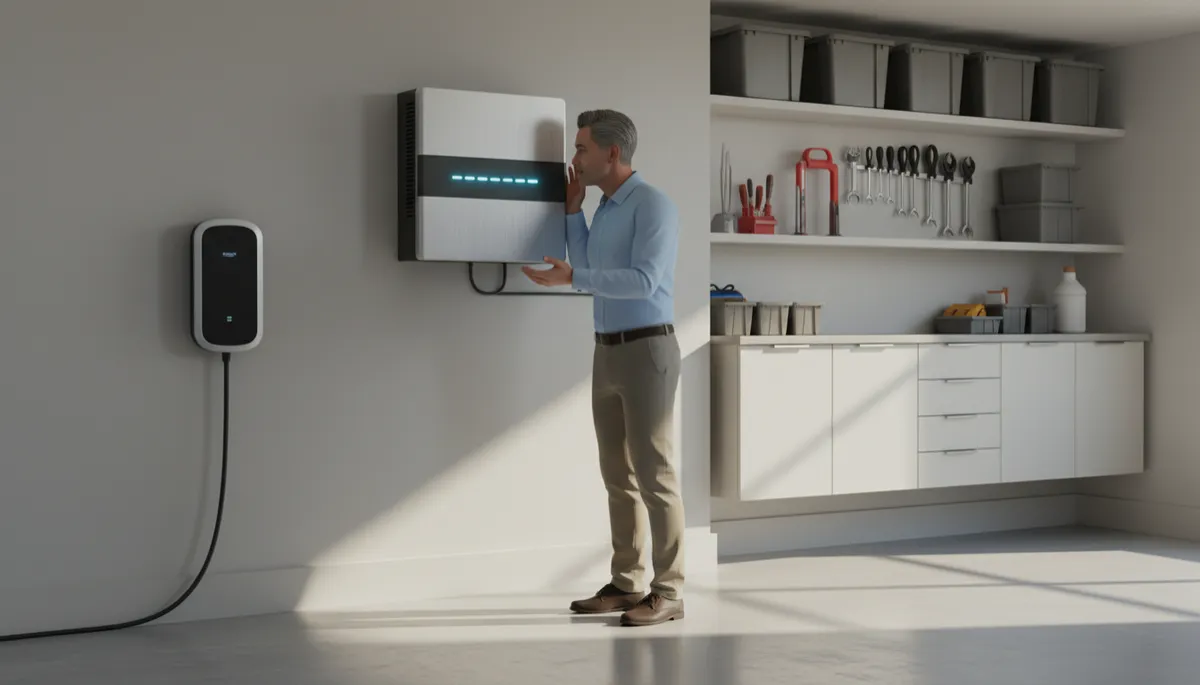
A solar inverter is an electrical appliance, not a silent piece of décor. Inside the metal case are electronic components, transformers, and sometimes cooling fans. As they work, they can create a low hum, a faint buzz, or an occasional click. Hearing something does not automatically mean there is a problem or that the system is unsafe. In many cases, it simply means the inverter is converting the DC power from your solar panels into AC power for your home, exactly as it should.
Where homeowners understandably get concerned is when a sound is new, louder than usual, or different from what they are used to. That concern is reasonable. Your ears are often the first “monitoring tool” to pick up a change in electrical equipment, especially in a quiet garage or on the side of the house. The goal is not to turn you into a technician, but to give you enough information to recognize when a sound is likely just normal operation and when it deserves professional attention from a licensed electrical contractor who works with solar every day in the Tampa Bay climate.
It also helps to remember that solar inverters are designed with safety in mind. They have built-in protections that shut them down when they detect certain electrical problems. Noise alone does not mean your system is unsafe, but a change in sound is one of the clues that something in the system may be wearing, loosening, or overheating. That is why paying attention to sound and acting early is smart homeownership, not overreacting.
📌 Key Takeaway: A soft hum from an inverter during the day is normal. A new, louder, or different sound is worth paying attention to.
2. What normal operation sounds like
During the day, especially when the sun is strong, many inverters make a low, steady hum. You often have to stand close to the unit and listen for it. This sound usually rises smoothly as the system produces more power and eases off as the sun drops or clouds pass. That kind of consistent, even hum is a normal part of the inverter converting power and is not, by itself, a sign of trouble. In a garage or on an exterior wall, you may only notice it when everything else is quiet around you.
Some inverter models use a built-in cooling fan to keep internal components at a safe temperature. On hot, sunny Tampa Bay days, when your system is working hard and the air is warm, you may hear that fan run more often or at a higher speed. It can sound like a small, steady blower. As long as the sound is smooth and consistent, and it rises and falls with heat and production during the day, this is generally normal behavior for that type of equipment. The fan’s job is to move heat away before it becomes a problem, not to signal that one already exists.
Another normal sound is a single or small series of clicks when the inverter starts up in the morning and when it shuts down in the evening. These clicks are usually relays inside the unit closing and opening as the inverter connects to and disconnects from the grid. You may notice a soft click shortly after sunrise when enough light reaches the panels for the system to begin producing, and another when the sun goes down and production stops. This daily pattern of a few clicks at the start and end of the day is expected for many grid-tied systems.
If you have a grid-tied inverter without a battery, it is usually quiet at night. Once the sun is down and the system has shut off, there should be no ongoing hum, buzz, or fan sound. Indicator lights may stay on or blink, but the inverter should not be actively working or making much noise. That quiet period overnight is a good reference point for what “off” sounds like for your system, so you can notice if something changes later on. A small, occasional relay click when the grid blips is possible, but constant or repeated nighttime noise is not typical for a standard grid-tied system without storage.
It is also important to know that sounds differ between manufacturers and models. A wall-mounted string inverter, a microinverter system, and a hybrid inverter with battery support will not all sound exactly the same. Even two inverters from the same brand can have slightly different tones. What matters most is whether your inverter’s usual sound pattern is steady and predictable, or whether it has changed sharply in volume, character, or timing. That change is what you want to pay attention to.
Inverter making a sound that worries you? Fused Solar and Roofing diagnoses solar electrical problems across Hillsborough, Pinellas, Pasco, and Manatee counties. Request a diagnostic visit at https://fusedsolarandroofing.com/solar-repair
3. Sounds that are not normal
While a gentle hum or occasional click can be part of normal operation, there are sounds that deserve prompt attention. A buzz or hum that is noticeably louder than usual, or that appears suddenly after the system has been running quietly for months or years, is not normal. If you find yourself stepping back because the sound seems harsh, sharp, or “angry” compared to its usual tone, that change is worth taking seriously. Trust your memory of how the inverter has sounded in the past; you live with it every day and are in a good position to notice a difference.
Crackling, popping, sizzling, or snapping sounds are also not normal. These kinds of noises can resemble a faint frying sound, a light static crackle, or small, irregular pops. They may come and go or get worse as the system produces more power. These are not the sounds of a fan or transformer doing its job. They are often associated with electrical arcing or a loose, damaged, or corroded connection and should be treated as warning signs rather than background noise. Even if the system is still producing power, those sounds are a reason to stop and call a professional.
Repeated clicking throughout the day is another red flag. A couple of clicks at sunrise and sunset can be normal, but constant or frequent clicking while the sun is up can indicate that the inverter is repeatedly trying to connect and disconnect, or that there is an issue with the grid connection or internal components. If you hear the inverter clicking on and off over and over, especially paired with a flashing error light or a display message, that pattern needs to be evaluated by a technician familiar with solar inverters and local utility requirements in Tampa Bay.
Noise at night from a system that should be idle is also not normal for a standard grid-tied inverter without a battery. If you hear a continuous buzz, hum, or other active sound after dark, when the system should have shut down with the loss of sunlight, it is a sign that something is not operating as expected. This is especially true if the noise is new or has grown louder over time. Nighttime should be the inverter’s quiet time, and any change to that pattern is a reason to have it checked by a licensed electrical contractor who understands solar equipment behavior after sundown.
Also pay attention to where the sound is coming from. If the noise is coming from the disconnect switch, the main electrical panel, a junction box, or the roof rather than directly from the inverter housing, that is not normal. Buzzing or crackling at the disconnect or panel can point to issues in wiring, breakers, or terminations. Sound from the roof area can indicate problems with wiring or connections under the panels, not just the inverter itself. In all of these cases, the source and cause need to be traced by a professional who is licensed to work on live electrical equipment and rooftop solar wiring.
Finally, noise combined with any visible or smell-based warning sign should be treated as urgent. A burning smell, discoloration, or heat marks on or around the equipment are not normal and should never be ignored. Brown or black marks, melted plastic, or areas that look scorched can indicate that heat has already built up at a connection or component. If you see or smell anything like this, especially together with crackling, popping, or a harsh buzz, step away from the equipment and follow the emergency guidance in the next section. These are clear signals that the system needs immediate professional attention.
💡 Pro Tip: Write down what the sound is like, where it seems to come from, the time of day, and the weather. That description helps a technician understand exactly what you heard.
4. What to do if something sounds wrong
If you notice a sound that does not seem right, the most helpful thing you can do as a homeowner is to pay attention and make simple notes. Write down what the sound is like in your own words. Is it a hum, a buzz, a click, or a crackle? Does it remind you of a fan, a buzzing light, or something sizzling? You do not need technical terms. A clear description in plain language helps the technician understand what you are hearing and when it happens, even if the sound is not present by the time they arrive for the visit.
Note where the sound seems to come from. Stand at a safe distance and listen: does it seem centered on the inverter, at the disconnect next to it, at the main electrical panel, or up near the roof under the solar array? Also record the time of day you hear it and what the weather is like. For example, you might write that the sound is a sharp buzz from the inverter in the garage around midday on clear, hot days, or that you hear a crackle from the roof area when the sun is strong. These details give the technician a head start in tracing the cause once they are on site.
Do not open, touch, or cover any solar or electrical equipment. Do not remove any covers, do not press on conduit or wiring, and do not attempt to tighten or adjust anything yourself. Solar inverters, disconnects, and electrical panels contain live parts that can cause serious injury or damage if handled without proper training and tools. Likewise, do not go on the roof to get closer to a sound or to inspect wiring under the panels. Roof work and rooftop electrical work both carry fall and shock risks that are best left to trained, insured crews who do this work every day in the Florida heat and humidity.
If there is smoke, sparks, flames, or a burning smell, everyone should keep away from the equipment and call 911. Do not try to put out an electrical fire yourself, and do not approach the equipment to investigate. Your safety and your family’s safety come first. Once emergency services have addressed the immediate hazard, a licensed electrical contractor with solar experience can evaluate the system, determine what failed, and plan the appropriate repairs or replacements in a controlled, safe way.
⚠️ Warning: If you see smoke, sparks, or flames, or smell burning near any solar equipment, keep everyone away and call 911. Do not touch, open, or spray water on the equipment.
5. Why an unusual sound is an electrical warning sign
When a solar inverter or related equipment makes a crackling, sizzling, or popping sound, it can mean that electricity is jumping across a loose, damaged, or corroded connection, or that a component is failing internally. Instead of electricity flowing cleanly through solid, tight metal contact points, it is forced to bridge small gaps or push through weakened material. That jumping or “arcing” is what often produces the irregular, sharp sounds you hear. It is not part of normal operation and should never be assumed to be harmless background noise that will simply go away on its own.
These conditions create heat. Every time electricity crosses a gap or struggles through a compromised connection, it wastes energy as heat in that spot. Over time, that heat can damage insulation, deform plastic housings, and further weaken metal contacts, making the problem worse. In Florida’s already warm climate, adding concentrated electrical heat inside an inverter, disconnect, or junction box is the opposite of what you want. Left alone, it can progress from a noise and a hot spot into visible burn marks, melted parts, or a complete equipment failure that takes your solar production offline until repairs are made.
Because heat and arcing tend to get worse, not better, they should be found and corrected, not waited out. A system that is making these kinds of sounds but still producing power is giving you early warning. Acting at this stage often means a more controlled repair, less damage to surrounding components, and less downtime for your solar production. Waiting until the system shuts down on its own or until the damage is obvious usually means a larger repair, or even replacement of major parts that could have been preserved if the issue was addressed sooner by a qualified professional.
Tracing the source of these sounds and heat spots is licensed electrical work. It involves opening electrical equipment and working around live circuits, which requires training, protective equipment, and the proper licenses. Fused Solar and Roofing is a licensed roofing (CCC1331058), electrical (EC13014750), and building contractor (CBC1252064) — all three in-house. That combination matters because it allows the team to safely access, diagnose, and repair both the electrical and structural sides of your solar system, whether the issue is in the inverter, the wiring, or under the array on the roof itself.
Fused Solar and Roofing services systems of all brands, including systems whose original installer is no longer in business. If you bought a home with solar already installed, or your installer left the market, you are not stuck living with concerning sounds or guessing whether they are serious. A licensed diagnostic visit can sort out whether the noise is a minor issue, a sign of wear that needs attention, or a symptom of a deeper electrical problem that should be corrected before it grows into something larger. The key is to treat unusual sounds as useful warnings and bring in the right expertise to interpret them.
📌 Key Takeaway: Fused Solar and Roofing diagnoses unusual inverter and solar equipment sounds on systems of all brands under electrical license EC13014750, including systems whose original installer is no longer in business.
6. What a diagnostic visit involves
During a diagnostic visit, a licensed technician starts by listening. They will listen at the inverter, the disconnect, the electrical panel, and, when appropriate, near the array to hear the sounds you have described. Your notes about what you hear, where you hear it, and when it happens are reviewed at the beginning of the visit so the technician can try to reproduce the conditions. Sometimes the sound is present immediately; other times it may show up as the system warms up and begins producing more power. That is why time of day and weather details are so useful to share.
The technician then inspects the inverter, the disconnect, the breaker, and the wiring and connections that can be reached without removing panels. They look for visible signs of heat, damage, corrosion, or loose connections, such as discoloration, melted or warped plastic, rusted terminals, or conductors that do not appear properly seated. They also check how the equipment is operating while the system is producing. Throughout this process, the focus is on safety and on narrowing down the most likely source of the sound you reported, based on both what they hear and what they see.
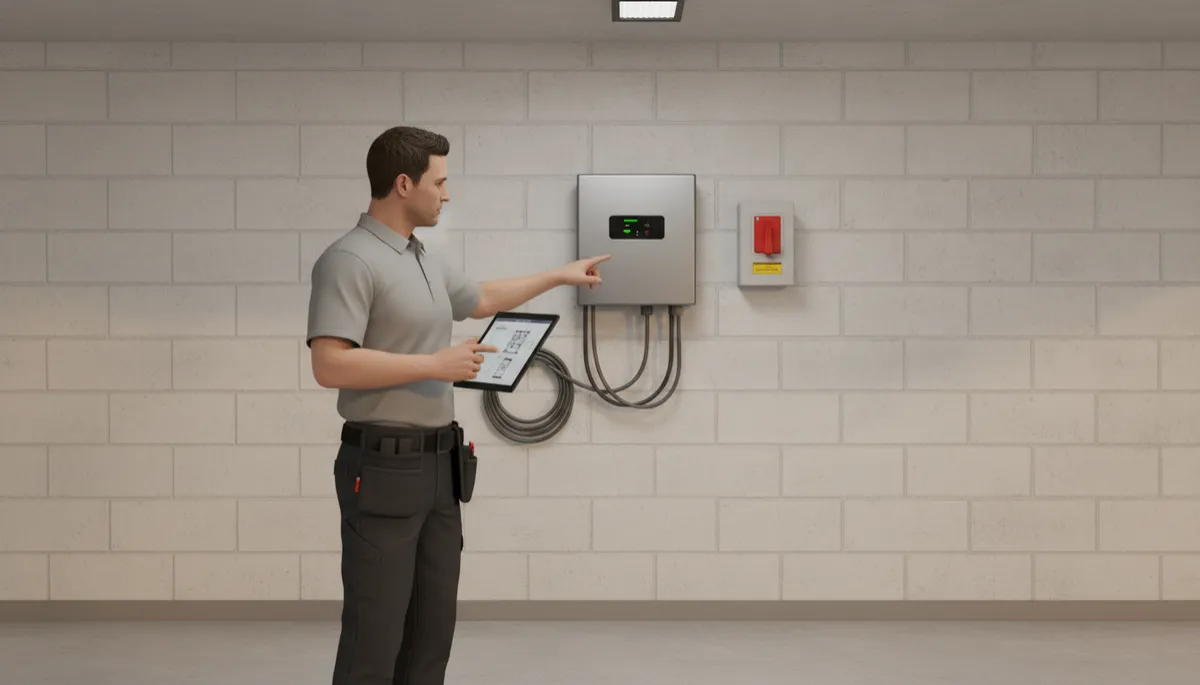
A clear diagnostic report turns confusing inverter noise into specific next steps.
Some connections sit under the panels and cannot be reached without removing panels. The technician will explain when the likely source of the issue appears to be under the array rather than at the inverter or visible wiring. In that case, they will outline what it would take to access those points safely, which involves a detach and reinstall of specific panels. You will not be left guessing; the findings from the visible inspection and any recommended next steps for hidden connections will be spelled out in plain language so you can make an informed decision about how to proceed and when to schedule further work if needed.
After the on-site inspection, the homeowner receives photographs and a detailed written report. The photos document what the technician saw at the inverter, disconnect, panel, and any accessible junction boxes, including close-ups of any areas of concern. The written report explains the likely cause of the noise, any safety issues found, and recommended repairs or adjustments. Any repair is scoped and quoted from the findings, so you understand the work involved, the parts required, and the expected outcome. Fused Solar and Roofing is an EnergySage Elite Installer with a 5.0/5 rating and 21+ verified reviews — independent verification, earned not purchased. That outside validation reflects a consistent approach to clear communication and careful workmanship on every visit.
7. When the sound is coming from the roof
Sometimes the sound you hear is not coming from the inverter at all but from the roof, where connections under the panels can loosen, corrode, or be damaged. These are often the DC connections between panels, or between panel strings and rooftop junction boxes. When a connection on the roof starts to fail, the sound may travel through the structure and be heard in the attic, in rooms below, or outside near the eaves. You may notice the noise most when standing in the yard looking up at the array, rather than near the inverter in the garage or on the side wall. That difference in location is an important clue for the technician.
Reaching those rooftop connections means removing the panels above them. That is what the industry calls a detach and reinstall. The system is disconnected so it is safe to work on. The affected panels are carefully removed from their mounting hardware to expose the wiring and connectors beneath. The connection that is loose, corroded, or damaged is then repaired or replaced using compatible components and proper torque and sealing practices. After the repair, the panels are reinstalled on their racking, reconnected electrically, and the system is tested again to confirm that both the sound and the underlying electrical issue have been resolved under real operating conditions.
When panels are off the roof, it is a natural time to ask whether the roof under the array should be looked at or replaced before the panels go back on. This is not about pushing a roof project you do not need. It is about recognizing that you already have trained crews on site, the panels are already off in at least one area, and access to the roof deck is easier than it will be later. If your roof under the array is older or has shown signs of wear elsewhere, it is reasonable to ask the technician whether a roofing inspection makes sense while access is open, so you can avoid paying to detach and reinstall panels again sooner than necessary in the future.
Fused Solar and Roofing’s own in-house electrical and roofing crews handle both the solar and roofing sides of this work, so it is one job under one company instead of coordinating multiple contractors. That simplifies scheduling, responsibility, and communication. If a rooftop electrical issue is found alongside a roof concern under the array, the same project manager can plan the sequence of work so that the roof is addressed first where needed, and the solar system is then reinstalled and tested on a sound surface. For you as the homeowner, that means fewer moving parts and a clearer path back to a quiet, properly operating solar system on a roof that is ready to support it for years to come.
8. Back to quiet, normal operation
After the repair or adjustment is complete, the technician confirms that the system is producing and operating normally. They will power the system back up, observe the inverter’s startup process, and listen for any remaining unusual sounds at the inverter, the disconnect, the panel, and, when relevant, near the array. They may compare live readings on the inverter display or monitoring app against expected values for your system size and the current weather. The goal is to be sure that the electrical issue that caused the noise has been corrected and that no new issues were introduced during the work.
As part of closing out the visit, the technician will also tell you what your particular inverter normally sounds like, so you can recognize a change in the future. They may point out that a soft daytime hum and a brief click at sunrise and sunset are expected for your model, or that a fan sound on very hot days is normal, while crackling or harsh buzzing would not be. That simple conversation gives you a clear mental picture of “normal” for your system. From there, your role is straightforward: enjoy the quiet, keep an ear out for anything noticeably different, and call for a diagnostic visit if your inverter ever starts to sound like it is asking for attention again.
Frequently Asked Questions
1. Is it normal for a solar inverter to hum?
Yes, a low, steady hum from a solar inverter during the day is normal for many systems. The hum usually comes from internal components as they convert DC power from your panels into AC power for your home. You may only notice it when you are close to the unit in a quiet garage or on an exterior wall. What is not normal is a hum that suddenly becomes much louder, harsher, or uneven compared to how it has sounded in the past. If the tone changes sharply, or if the hum is paired with crackling, popping, or a burning smell, it is time to schedule a diagnostic visit with a licensed solar electrical contractor to check for loose or overheating connections.
2. Why is my inverter making noise at night?
A standard grid-tied inverter without a battery is usually quiet at night because it shuts down when there is not enough sunlight to produce power. If your inverter is making a noticeable buzz, hum, or other ongoing noise after dark, that is not typical and should be checked. Occasionally, you might hear a brief click if the grid blips, but continuous nighttime noise can point to an internal issue or a problem with how the inverter is interacting with the utility. Make a note of what the sound is like and when you hear it, then contact a licensed solar electrician to investigate. Do not open or try to adjust the equipment yourself, especially after hours when visibility is poor.
3. My inverter is making a crackling or popping sound. Is that dangerous?
Crackling or popping sounds can be a sign that electricity is jumping across a loose, damaged, or corroded connection, or that a component is failing. That kind of arcing creates heat and can damage equipment over time. While the system may still be producing power, it is not wise to ignore these sounds or assume they will go away. Treat them as an electrical warning sign. Stay clear of the equipment, do not open any covers or touch wiring, and schedule a diagnostic visit promptly. If the crackling or popping is accompanied by smoke, sparks, flames, or a burning smell, keep everyone away from the area and call 911 before anything else.
4. Does a noisy inverter mean it needs to be replaced?
Not always. A change in sound means something is different, but it does not automatically mean the entire inverter is at the end of its life. In some cases, the cause is a loose connection, a failing fan, or an issue in nearby wiring or the disconnect rather than the inverter’s core electronics. A licensed technician can inspect the system, identify the source, and let you know whether a repair, an adjustment, or a full inverter replacement is the right solution. Addressing noise early can sometimes prevent a smaller issue from damaging the inverter and forcing a replacement sooner than necessary, so it is worth checking before you assume the worst.
5. Why does my inverter get louder on hot, sunny days?
On hot, sunny days, your system is producing more power and the inverter is working harder. Many inverters use internal fans or rely on natural airflow to keep components cool. As temperatures rise and production increases, the fan may run more often or at a higher speed, which can make the inverter sound louder. A smooth increase in fan noise that tracks with heat and sunlight is usually normal. However, if the sound is harsh, irregular, or combined with crackling, popping, or a burning smell, it may indicate that the inverter or nearby connections are overheating. In that case, a licensed technician should inspect the system to make sure it is cooling properly and that no connections are failing under the higher load.
6. My original solar installer is out of business. Who can check a noisy inverter?
You do not need to track down your original installer to get help. Fused Solar and Roofing services solar systems of all brands, including systems whose original installer is no longer in business or no longer serves the Tampa Bay area. As a licensed electrical contractor with in-house roofing and building licenses as well, the company can diagnose inverter noise, inspect wiring and rooftop connections, and perform any needed repairs or detach and reinstall work. When you schedule a diagnostic visit, be ready to share what you hear, where you hear it, and when it happens. From there, a licensed technician can take over the investigation and guide you through the options to get your system back to quiet, normal operation.
Fused Solar and Roofing is a licensed electrical contractor (EC13014750) servicing solar systems of all brands across Hillsborough, Pinellas, Pasco, and Manatee counties, including systems whose original installer is no longer in business. Request a diagnostic visit at https://fusedsolarandroofing.com/solar-repair
