When to Schedule a Solar Detach and Reinstall in Tampa
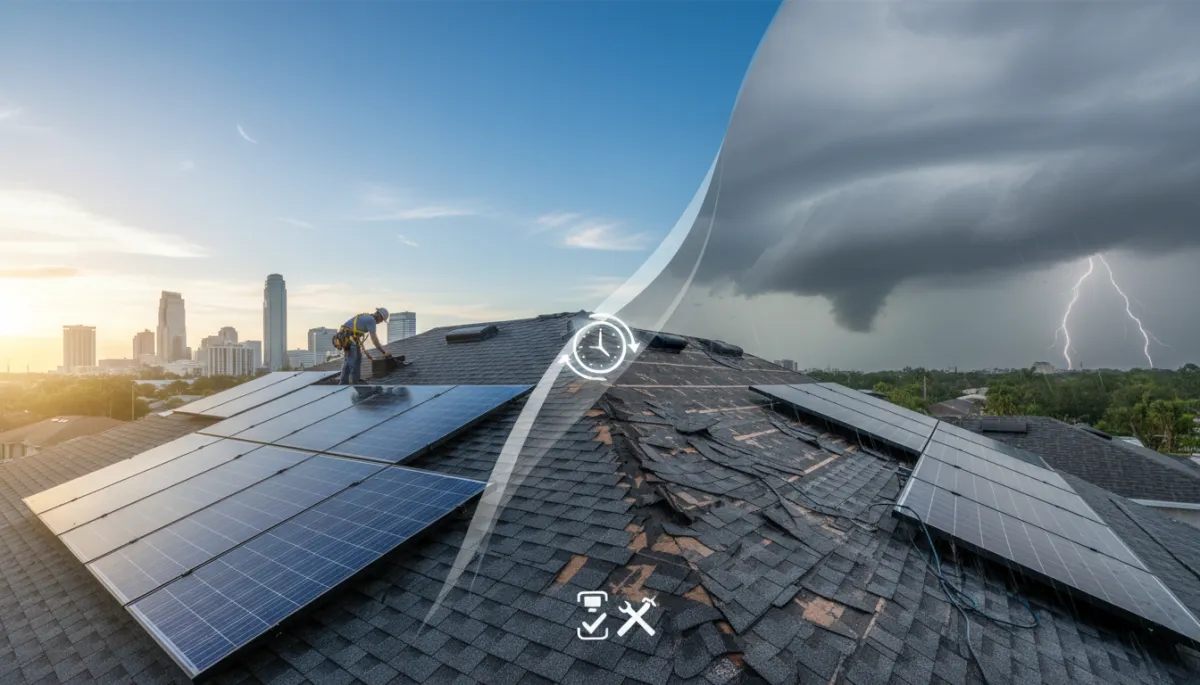
Timing your solar Detach & Reinstall in Tampa is not a minor detail—it is the difference between a smooth, planned project and a stressful, storm-season scramble. This guide explains when to schedule, what to avoid, and how Tampa’s hurricane season, roofing market, and contractor workload affect your roof, your solar investment, and your peace of mind.
What Detach & Reinstall Means for Tampa Solar Homeowners
A Detach & Reinstall (often shortened to D&R) is the process of safely removing your solar panels, storing or staging them, completing roofing work, then reinstalling and recommissioning the system. Any time you replace or significantly repair a roof with an existing solar array, a proper D&R by a qualified solar and roofing team is mandatory—not optional.
In Tampa’s coastal, hurricane-prone climate, when you schedule this work is just as important as who you hire. Intense sun, high humidity, heavy summer downpours, and the risk of tropical storms from June through November all accelerate roof wear. Once your shingles near the end of their life or storm damage appears, a D&R often becomes unavoidable. Planning that work into the right seasonal window helps you:
Avoid rushed decisions after a storm or insurance notice.
Reduce the time your solar system is offline and not producing power.
Minimize exposure of your home to rain while roofing work is underway.
Lock in better pricing and more flexible scheduling with your contractor.
For Tampa providers, Detach & Reinstall is a core profit center because it sits at the intersection of two high-demand trades—roofing and solar. That also means it quickly becomes a bottleneck when storms hit and the entire region is competing for the same skilled crews and materials. Getting your timing right is the most effective way to stay ahead of that bottleneck.
Hurricane Season in 2026: Why “Below Normal” Still Demands Preparation
The Atlantic hurricane season runs from June 1 through November 30. For 2026, NOAA’s Climate Prediction Center projects a below-normal Atlantic season, with 8–14 named storms, 3–6 hurricanes, and 1–3 major hurricanes, largely due to El Niño conditions increasing wind shear over the Atlantic (NOAA CPC). Colorado State University’s outlook is similar, describing 2026 as “somewhat below-normal” with 13 named storms, 6 hurricanes, and 2 major hurricanes (CSU via FOX 13 Tampa Bay).
Those numbers can create a false sense of security. Local officials and risk analysts consistently repeat the same point—it only takes one storm tracking into Tampa Bay to create serious damage and long-lasting service backlogs. Historically, systems like Donna (1960), Charley (2004), Irma (2017), Ian (2022), and Milton (2024) have all demonstrated how vulnerable the region is when a storm approaches from the south or southwest.
How Hurricane Season Disrupts Detach & Reinstall Work
Contractor backlogs. After even a glancing blow, roofing and solar firms pivot to emergency tarping, leak mitigation, and full replacements. With Florida already facing a construction labor shortage estimated in the hundreds of thousands statewide, crews are stretched thin. Planned D&R projects slide down the priority list.
Permitting delays. Under typical conditions, Tampa’s Construction Services Division processes residential permits in roughly 10–30 days depending on complexity (Permit Place), and many residential solar trade permits are auto-issued when documentation is complete (City of Tampa Solar Checklist). After storms, application volume spikes and these timelines can stretch as staff handle a surge of repair-related submissions.
Material shortages. Shingles, underlayment, mounting hardware, and electrical components are redirected to the most urgent jobs. Even in a quieter season, one landfall can disrupt the local supply chain for weeks or months, increasing lead times and prices for D&R materials.
Trying to schedule a Detach & Reinstall during the heart of hurricane season means you are competing directly with emergency work. Your project becomes one more item on already full calendars, and you lose much of the flexibility that makes a D&R efficient and cost-effective.
The Best Window: Why Winter and Early Spring Are Ideal in Tampa
For most Tampa homeowners, the best time for solar Detach & Reinstall is late winter through early spring—roughly January through April. This window offers the most favorable combination of weather, contractor availability, and predictable permitting before the June–November storm corridor tightens everyone’s capacity.
Lower storm risk. Outside hurricane season, the risk of tropical systems interrupting your project is significantly lower. Crews can keep your roof open for the shortest necessary period without constantly watching for named storms in the Gulf.
Better working conditions. Cooler, drier weather is safer and more comfortable for crews, and favorable for many roofing materials. It also reduces the frequency of afternoon lightning storms that dominate Tampa summers and can shut down rooftop work.
More predictable schedules. Tampa’s contractor market is busy year-round, but winter and early spring often provide more stable calendars than late summer and fall, when hurricane activity, school transitions, and military relocations all converge.
💡 Pro Tip: Aim to have your Detach & Reinstall completed at least 4–6 weeks before June 1. This buffer absorbs minor delays without pushing you into peak hurricane season.
Ready to keep your solar system in peak condition? Schedule a free solar panel cleaning and maintenance audit at https://tampasolarmaintenance.com
The Cost of Waiting Until Storm Damage Forces the Issue
Many Tampa homeowners delay roof and solar decisions until a storm makes the problem impossible to ignore. Shingles blow off, leaks appear, or an insurance inspection flags the roof as a risk. At that point, a Detach & Reinstall stops being a strategic upgrade and becomes an emergency response. That shift usually brings three predictable side effects.
Longer wait times. After a significant storm, even reputable, well-staffed contractors are booked out weeks. Emergency tarping and active leaks take priority. A D&R tied to storm damage may sit in queue while temporary measures dominate the schedule across the city.
Higher costs. Labor and material prices often spike as demand surges and supply tightens. Roofing components and solar mounting hardware can become more expensive or harder to source in the months following a major event. Rush work, fragmented scheduling, and repeated mobilization all add cost that a planned project avoids.
Extended solar downtime. If your array must be shut down or partially removed while you wait for a full D&R, you lose months of production. That lost generation is rarely recouped and can erode the financial returns of your system.
In short, waiting until damage forces your hand usually means you pay more, wait longer, and endure more stress than if you had scheduled the work during a calmer season on your own timeline.
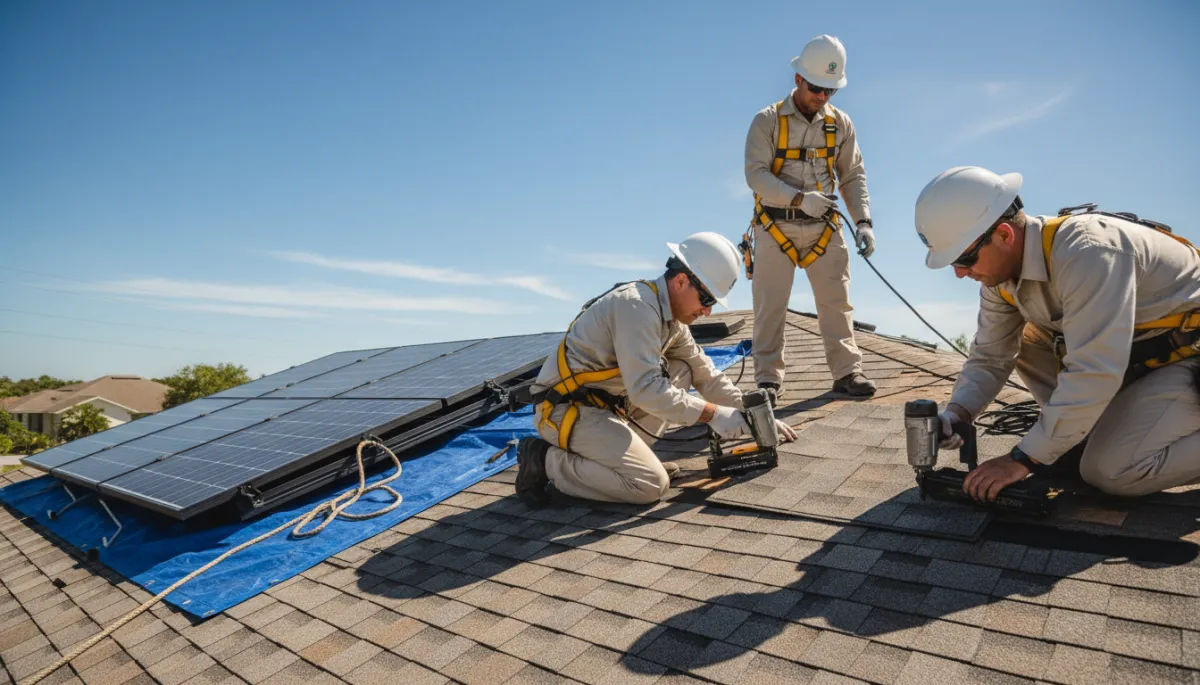
Coordinated winter projects shorten solar downtime and reduce hurricane-season risk.
Contractor Availability Patterns Across Tampa Bay
Tampa in 2026 is a high-demand construction market. Population growth, a strong housing pipeline, and active commercial development all compete for contractor time (TM Group DC). Platforms like Indeed list thousands of general contractor profiles in the area (Indeed), yet long lead times remain common for complex projects such as roof replacement plus solar D&R.
Seasonal Demand Drivers for Tampa Roofing and Solar
May–August. High demand driven by school transitions, student move-ins at the University of South Florida, and military relocations tied to MacDill Air Force Base. Many families schedule moves and renovations in this window, tightening contractor calendars even before peak hurricane activity begins.
June–November (Hurricane Season). Exterior trades—especially roofing and solar—see compressed schedules as they juggle pre-storm hardening, active storm response, and post-storm repairs. Even in a below-normal year, the possibility of one damaging system keeps crews busy and limits flexibility for non-emergency D&R projects.
October–April (Snowbird Season). Seasonal residents returning to Tampa Bay often schedule repairs and upgrades during this time. Demand is steady, but winter and early spring typically still offer more stable weather and smoother scheduling than mid-hurricane season—especially if you book early.
📌 Key Takeaway: There is no true “slow season” anymore, but January through April remain your best bet for predictable Detach & Reinstall scheduling in Tampa.
Permitting Timelines and How They Affect Solar Timing
The City of Tampa uses the Accela Citizen Access portal for permit submissions, payments, inspections, and status checks. Under typical conditions, most residential trade permits are auto-issued once fees and documentation are submitted, while more complex building permits go through plan review.
Residential trade permits (including many solar-related items): Often auto-issued immediately when applications are complete (City of Tampa Solar Checklist).
Commercial solar PV permits: Target review within about 10 days for complete submittals (City of Tampa).
General building permits: Plan review typically takes 10–30 days, depending on project type and complexity (Permit Place).
During hurricane season or after a major storm, application volume rises sharply. Even with online processing, higher workloads and correction cycles can extend these timelines. Scheduling your D&R for winter or early spring keeps you closer to the “typical” ranges and reduces the risk that a sudden surge in roof repair permits will delay your project start date.
Proactive vs. Reactive Scheduling: Storm & Hurricane Preparedness
Planning ahead protects both your home and your investment — here’s the difference between the two approaches.
Proactive D&R: You choose timing based on roof age, inspection results, and your household calendar. You can target the January–April window, coordinate crews, and align permitting without the pressure of active leaks or an approaching storm.
Reactive D&R: A storm, leak, or insurance notice forces your hand. You enter the queue during the busiest season, face higher uncertainty, and often accept whatever materials and dates are available.
📌 Key Takeaway: In Tampa, proactive Detach & Reinstall planning is not a luxury—it is a practical hurricane preparedness strategy that protects both your roof and your solar investment.
Real Tampa Scenario: Spring Detach & Reinstall vs. Fall Scramble
Consider two Tampa homeowners with similar 10-year-old shingle roofs and rooftop solar systems installed five years ago. Both live in neighborhoods that have seen strong winds in recent years.
Homeowner A: Proactive Spring D&R
Schedules a roof inspection in January; the roofer recommends replacement within 12 months due to granule loss and minor lifting.
Chooses to replace in March, coordinating roofing and solar crews together. Permits are submitted in February and approved within the typical 10–30 day window.
Solar downtime is limited to a few days, and the home enters hurricane season with a new roof and properly reinstalled array.
Homeowner B: Reactive Fall Scramble
Decides to “wait one more year.” In late September, a tropical system passes offshore; shingles blow off and water stains appear in a bedroom ceiling.
Roofing and solar contractors are booked out with emergency calls. Material prices have risen due to regional demand, and preferred shingle colors are on backorder.
Permitting takes longer as more applications flood the system. The homeowner lives under a compromised roof during the most active part of hurricane season and experiences extended solar downtime.
The only real difference between these two outcomes is timing. Both roofs were aging; only one homeowner treated Detach & Reinstall as part of a deliberate storm-preparedness plan.
Planning Ahead: Roof Life, Solar Timing, and Maintenance
In Tampa’s heat and humidity, standard asphalt shingle roofs often have a practical life of 12–20 years, depending on product quality and exposure. Solar systems, by contrast, are often designed for 25 years or more. Aligning these timelines is central to smart Detach & Reinstall planning.
Know your roof’s age and condition. Once your roof passes the 10-year mark, request a professional inspection every couple of years. Ask whether it is likely to withstand another full hurricane season without significant risk of leaks or shingle loss under and around the solar array.
Align roof and solar timelines. If your roof will need replacement within the next 2–3 years and you already have solar, it is usually more cost-effective to plan one coordinated D&R in a controlled window than to risk an emergency replacement after storm damage. This is especially important if your solar system is under warranty and must be handled by qualified professionals to maintain coverage.
Target winter or early spring. Work backward from the start of hurricane season. If you want your D&R complete by May, start conversations with your contractor in January or February. That timeline allows for inspections, design tweaks, permitting, and material ordering without rushing.
💡 Pro Tip: If your roof is within three years of replacement and you are considering new solar, discuss roof timing first so you do not pay for multiple Detach & Reinstall cycles.
Maximize your investment with expert solar maintenance. Book your solar panel cleaning and inspection service at https://tampasolarmaintenance.com
FAQ: Detach & Reinstall, Storm Preparedness, and Solar Timing in Tampa
When is the absolute best time to schedule a D&R in Tampa?
For most homeowners, the best time is between January and April. This window offers lower storm risk, more predictable weather, and better access to contractor schedules before hurricane season and the late-spring demand surge. Aim to complete work several weeks before June 1.
How far in advance should I contact a contractor?
In Tampa’s tight labor market, reach out 8–12 weeks before your ideal installation date. That lead time supports inspections, detailed proposals, permitting, and coordination of roofing and solar crews. During peak demand or after storms, lead times can extend, so earlier outreach is always beneficial.
How long does permitting usually take for a D&R?
Under normal conditions, many residential solar trade permits are auto-issued, and plan review for associated building work typically falls in the 10–30 day range, depending on scope (Permit Place; City of Tampa). These timelines can stretch during hurricane season as application volume rises, which is another reason to target winter or early spring.
Should I avoid scheduling a D&R during hurricane season entirely?
If possible, yes. Experienced contractors can work safely on calm days, but from June through November the risk of schedule disruptions, emergency reprioritization, and supply constraints is higher. For non-emergency projects, scheduling outside this window reduces stress and uncertainty, especially if your roof is already showing signs of age.
What if my roof is damaged mid-season and I cannot wait?
In that situation, safety comes first. Your contractor will help prioritize temporary measures—such as tarping, localized repairs, or partial system shutdown—to protect your home while a full Detach & Reinstall and roof replacement are scheduled. Expect longer lead times and potentially higher costs, but do not delay addressing active leaks or structural issues.
How often should my solar system be inspected in Tampa’s climate?
In a high-heat, high-humidity, storm-prone environment like Tampa, an annual solar inspection and cleaning is a sound standard. Regular maintenance keeps your system performing efficiently, catches minor issues before they become major, and provides early warning if roof conditions are changing under the array—critical data for scheduling a future D&R on your terms rather than the storm’s.
Final Thoughts: Schedule Before the Storms, Not After
Tampa’s combination of intense sun, seasonal storms, and year-round contractor demand makes Detach & Reinstall work uniquely time-sensitive. By understanding hurricane season risks, local roofing and solar availability patterns, and typical permitting timelines, you can choose the best time for solar Detach & Reinstall in Tampa and protect both your roof and your long-term energy savings.
The most resilient Tampa homeowners treat D&R as part of their storm-preparedness plan—not as a last-minute reaction. Planning your project in winter or early spring, before hurricane season and peak demand, gives you more control, better pricing stability, and a safer, more resilient home heading into the summer.
Is your solar system performing at its best? Start your free maintenance consultation at https://tampasolarmaintenance.com
Fused Solar and Roofing is a licensed roofing (CCC1331058), electrical (EC13014750), and building contractor (CBC1252064), all three in-house, serving Hillsborough, Pinellas, Pasco, and Manatee counties since 2007. Fused Solar and Roofing is an EnergySage Elite Installer with a 5.0/5 rating and 21+ verified reviews, independent verification, earned not purchased.
Replacing a roof that has solar on it? Request a detach and reinstall quote at https://fusedsolarandroofing.com/solar-panel-removal
Who is allowed to do each part of a detach and reinstall, and why, is covered in our guide at https://fusedsolarandroofing.com/post/who-can-remove-reinstall-solar-florida