Asphalt vs. Metal vs. Tile: Solar D&R Guide for Tampa Bay
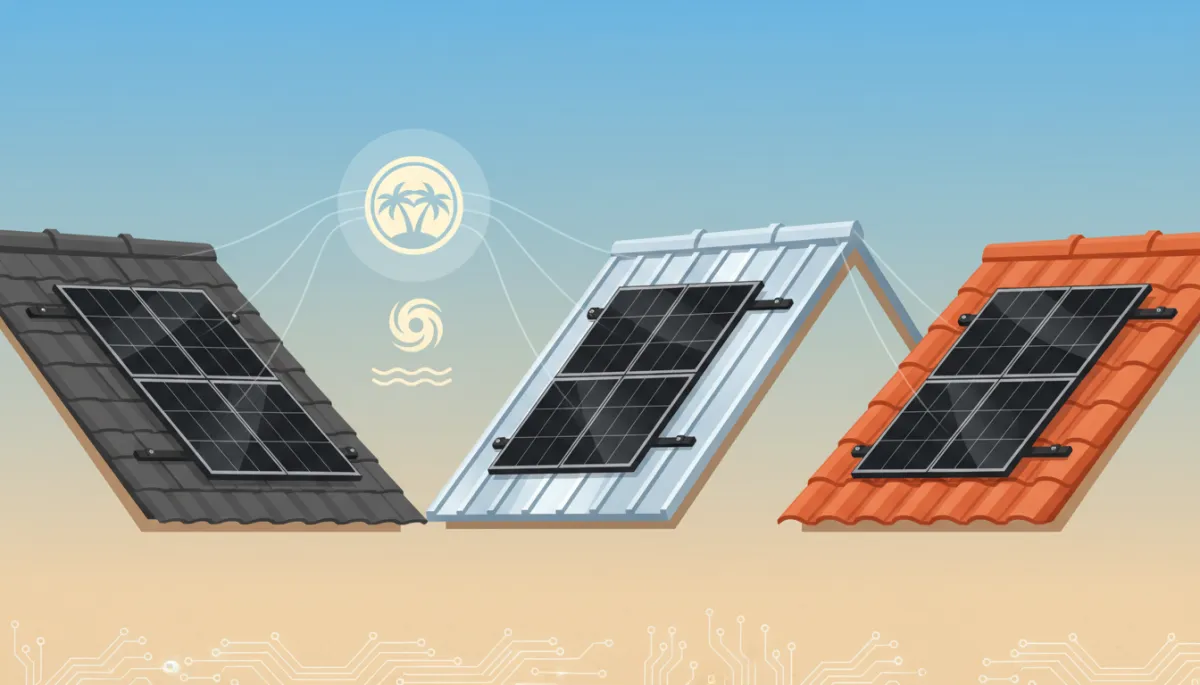
When you already have solar on your home and your roof is due for replacement, the roofing material you choose will affect costs, timelines, and long‑term performance. This guide compares asphalt shingle, metal, and tile roofs in Tampa Bay specifically from a solar detach and reinstall perspective, so you can make a clear, informed decision.
Why roof material matters when solar is already installed
Once solar panels are on your roof, any future roof replacement becomes a coordinated project—panels must be detached, stored, and then reinstalled and re‑commissioned. The roofing material you select will influence how often that needs to happen, how complex the work is, and how well your system stands up to Tampa Bay’s heat, humidity, and storms over the next 20–30 years.
In broad industry terms, asphalt shingle roofs in Florida often last around 15–25 years, metal roofs around 35–50 years, and tile roofs 30–50 years or more when properly installed and maintained. Solar panels are commonly designed for 25‑plus years of production. If your roof wears out before your solar array, you will go through at least one detach and reinstall (D&R) cycle—and possibly two, depending on material and timing. That has real cost and downtime implications for your system’s lifetime performance and return on investment.
Roof material also determines how solar attachments are flashed and sealed, how long that waterproofing is likely to last, and how the roof behaves under hurricane‑force winds. In Tampa Bay, where intense sun, salt air, and seasonal storms are routine, those details matter. A coordinated approach—roofing, electrical, and solar—reduces risk. One license for roofing (CCC1331058), one for electrical (EC13014750), one truck, one warranty, one call. No finger-pointing between trades.
Asphalt shingle roofs and solar detach & reinstall
Asphalt shingle is the most common residential roofing material in Tampa Bay. It is familiar to roofers and solar installers, and most solar mounting systems are designed with shingle roofs in mind. From a solar D&R standpoint, asphalt offers predictable workflows—but its shorter lifespan can mean more frequent interventions over the life of your solar array.
Typical lifespan with solar in Tampa Bay
Industry ranges for asphalt shingles are often quoted around 15–30 years, but in hot, humid, high‑UV climates like Tampa Bay, practical lifespans tend to be toward the lower to middle end of that range—especially for basic 3‑tab products. A quality architectural shingle installed correctly, with good attic ventilation and routine maintenance, can help you reach the upper teens or twenties in years even with solar on top. However, if your shingles are already 10–15 years old when you add solar, you are very likely to face a D&R plus reroof within the panels’ production life.
D&R complexity, timing, and attachment details
On a shingle roof, solar racking is usually anchored with lag bolts into rafters or engineered decking, sealed under metal flashing that tucks beneath the shingle courses. For detach, the crew will disconnect electrical runs, remove modules, disassemble racking, and pull the fasteners. This is straightforward for experienced teams, and because shingles are relatively light and easy to work with, the roofing portion can often be completed in one to two days for an average‑sized home, weather permitting. Reinstalling the solar array typically adds another one to two days, depending on system size and complexity of wiring and monitoring equipment.
On the reinstall, each new roof penetration must be flashed and sealed to current best practices. Over time, heat cycling and UV exposure can stress sealants, so regular inspection during solar maintenance visits is important. Professional cleaning and visual checks help identify cracked flashings, lifted shingles, or sealant fatigue before they become leaks that affect decking or interior finishes. EnergySage Elite Installer status (5.0/5, 21+ verified reviews) is independent proof of reliability for a 25-year system, and reflects the level of workmanship and follow‑through Tampa Bay homeowners should expect on this type of work.
Storm and wind performance for shingle roofs with solar
Modern asphalt shingles are available with wind ratings designed to meet Florida Building Code requirements, and a properly nailed and sealed roof can perform well in Tampa Bay storms. Solar arrays must also be engineered and permitted for local wind speeds. When both are installed to code, the system can withstand significant weather. However, shingles are more vulnerable to granule loss, uplift, and impact damage than metal or tile. After major storms, it is common to see lifted tabs, missing shingles, or compromised seal strips—issues that should be evaluated before and after any D&R work to protect both your roof and your solar wiring paths.
📌 Key Takeaway: Asphalt shingle is the most straightforward and familiar option for solar D&R, but its shorter lifespan may mean more than one detach and reinstall over the life of your solar panels.
Ready to keep your solar system in peak condition? Schedule a free solar panel cleaning and maintenance audit at https://tampasolarmaintenance.com
Metal roofs and solar detach & reinstall
Metal roofing—especially standing seam—is increasingly popular in Tampa Bay for homeowners planning long‑term solar ownership. Its durability, wind resistance, and compatibility with advanced solar mounting systems make it attractive from a D&R perspective, even though upfront roofing costs are higher than asphalt in most cases.
Typical lifespan with solar in Tampa Bay
Industry guidance often places metal roof lifespans around 35–50 years or more when properly installed and maintained. In Tampa Bay’s climate, that means a well‑executed metal roof can easily outlast one, and often two, generations of solar equipment. When you pair a new metal roof with a new solar array, there is a strong chance you will not need another roof replacement before the panels reach the end of their productive life. That alignment can significantly reduce the total number of D&R events and associated labor costs over time.
D&R complexity, timing, and attachment details
On standing seam metal roofs, solar attachments often clamp directly to the seams, avoiding penetrations through the roofing panels. This is a major advantage for both installation and future D&R. To detach, crews loosen the clamps, remove racking, and lift panels without disturbing the roof surface. Reinstallation is similarly efficient, and because there are fewer or no penetrations, there is less long‑term reliance on sealants and flashing details to stay watertight. For corrugated or exposed‑fastener metal, penetrations are more common, so careful flashing and gasket selection are critical, especially in Florida’s intense sun and rain cycles.
D&R timelines for metal roofs are often comparable to asphalt for the solar portion—one to two days to remove and another one to two days to reinstall for typical residential systems. Roofing time can vary depending on panel type, roof geometry, and decking condition, but the key distinction is that you are less likely to repeat that process multiple times over the life of your solar investment. Regular cleaning and inspection of both the array and the metal roof coating help maintain reflectivity, manage corrosion risk near the coast, and confirm that attachment hardware remains secure under thermal expansion and contraction.
Storm and wind performance for metal roofs with solar
Properly engineered metal roofs have excellent wind resistance and are well‑suited to Florida hurricane conditions. Panel systems designed to meet or exceed local wind uplift requirements, combined with code‑compliant solar racking and attachment layouts, provide robust performance. Metal’s interlocking panels and continuous fastening patterns can help resist uplift forces that might damage less secure roofing types. After major weather events, a professional inspection should confirm that seams, clips, and solar clamps remain tight, and that there is no coating damage or corrosion starting at cut edges, fasteners, or roof penetrations for electrical conduits and equipment mounts.
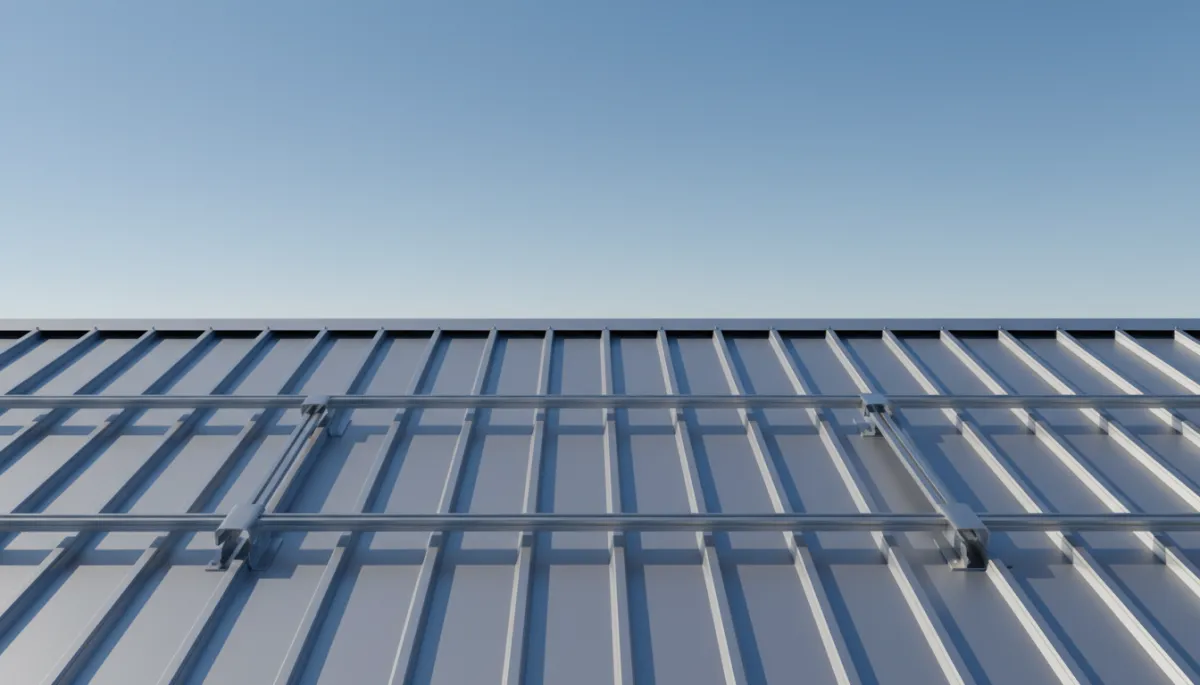
Non‑penetrating clamps on standing seam metal roofs simplify future solar detach and reinstall.
Tile roofs and solar detach & reinstall
Concrete and clay tile roofs are common across Florida’s coastal communities, including many Tampa Bay neighborhoods. Tile delivers a distinctive look and strong longevity, but it is the most complex of the three materials when it comes to solar D&R. Proper planning, specialized hardware, and experienced crews are essential to protect both the roof and the array during and after the work.
Typical lifespan with solar in Tampa Bay
Tile roofs routinely reach 30–50 years or more when installed over sound underlayment and decking, with appropriate fastening and regular maintenance. In Tampa Bay’s climate, the underlayment and flashings often dictate practical service life more than the tile itself. When you combine a new tile roof with a new solar system, you are often aligning the roof’s lifespan with or beyond the expected production life of the array. That can minimize the number of D&R cycles, but you must account for the complexity and cost when a D&R is eventually needed—whether for reroofing, storm repairs, or major system upgrades.
D&R complexity, timing, and attachment details
Solar on tile is typically installed using one of two approaches: direct mounts through the tile (with specialized flashings and hooks), or “comp‑out” style where tiles are removed in the array footprint, replaced with a composition surface, and then treated more like a shingle roof under the panels. Both methods require careful handling of individual tiles to avoid cracking, and both rely on high‑quality underlayment and flashing details to manage water at every penetration and transition. During D&R, tiles must often be lifted and stacked, then reset or replaced. This is labor‑intensive and demands coordination between roofing and solar teams to avoid broken tiles, misaligned courses, or exposed underlayment.
Timelines for tile D&R are typically longer than for asphalt or metal. Detach and roofing work can run several days or more, depending on roof complexity and how many tiles need replacement. Reinstalling the solar array also takes longer, because each attachment point and tile interface must be checked carefully. The payoff is a roof system with strong curb appeal and long service life, but homeowners should plan for higher D&R labor costs and more detailed inspections during routine solar maintenance and cleaning visits.
Storm and wind performance for tile roofs with solar
Tile roofs can perform very well in storms when installed to meet Florida’s high‑wind standards. Individual tiles are rated for specific wind speeds, and fastening patterns must follow code and manufacturer guidelines. However, tiles can crack or dislodge under severe impact or uplift, and any displaced tile near solar attachments increases the risk of water intrusion at underlayment laps and flashing points. After strong storms, a combined roofing and solar inspection is essential to look for broken tiles, shifted rows, and any movement in the solar racking that could affect waterproofing or electrical safety. Because tile roofs are heavier, structural loading must also be evaluated when adding or expanding a solar array.
Side‑by‑side comparison — lifespan, D&R complexity, storm performance
Roof Material Typical Lifespan Range (Tampa Bay, industry guidance) D&R Complexity D&R Timeline (typical residential) Storm & Wind Performance Asphalt Shingle ~15–25 years, depending on product quality and maintenance Low to moderate — widely understood methods, many penetrations with flashings Solar D&R ~2–4 days combined; roofing ~1–2 days for typical homes Good when installed to code; more prone to uplift, granule loss, and storm wear Metal (especially standing seam) ~35–50+ years with proper installation and maintenance Low to moderate — can be very efficient with seam clamps and minimal penetrations Solar D&R ~2–4 days; roofing timeline varies with panel type and roof complexity Excellent wind resistance; strong choice for hurricane‑prone regions when engineered correctly Tile (concrete or clay) ~30–50+ years; underlayment and flashings often drive real‑world lifespan High — tile handling, specialized mounts, more time‑consuming D&R Solar D&R often several days longer than asphalt or metal; roofing timeline depends on tile and layout Very good when installed to Florida standards; tiles can crack or dislodge under extreme conditions
How to decide which material is right for your home
Align roof lifespan with solar lifespan
If your solar array is relatively new and you are replacing the roof now, it often makes sense to choose a roofing material whose expected lifespan matches or exceeds the remaining life of your panels. Metal and tile generally pair well with long‑term solar ownership because they reduce the odds of another full reroof before the array is retired. Asphalt can still be a smart choice when budget is a primary driver, or when you expect to modify or expand your system in the medium term, but you should plan for the possibility of another D&R cycle later on.
Consider D&R cost, downtime, and maintenance access
Detaching and reinstalling solar always involves some downtime for your system and labor cost for both roofing and electrical work. Asphalt and metal roofs typically offer the most efficient D&R workflows. Tile, while durable, usually carries higher D&R labor due to tile handling and additional detailing. Also consider routine maintenance—cleaning panels, checking wiring, and inspecting flashings. Roofs that allow safe, stable access and predictable attachment details can simplify long‑term service in Tampa Bay’s hot, often slippery conditions after afternoon showers.
Factor in Tampa Bay weather and neighborhood context
Coastal exposure, tree cover, and neighborhood standards all affect the right choice. Near the bay or gulf, corrosion resistance and wind performance favor well‑engineered metal or high‑quality tile. In heavily treed areas, impact resistance and ease of repairing localized damage after branch strikes may make asphalt more practical. In deed‑restricted communities, architectural guidelines may narrow the options. Regardless of material, regular solar panel cleaning and inspection are valuable in Tampa Bay, where pollen, salt film, and debris can reduce production and mask early signs of roof wear around attachments and pathways.
Choose integrated roofing, electrical, and solar expertise
When your roof and solar are being worked on together, coordination is as important as material selection. A team that holds both roofing and electrical licenses and is experienced in solar D&R can streamline permitting, scheduling, and inspection, while reducing the risk of leaks or electrical issues. One license for roofing (CCC1331058), one for electrical (EC13014750), one truck, one warranty, one call. No finger-pointing between trades. Independent credentials, such as EnergySage Elite Installer status (5.0/5, 21+ verified reviews) as proof of 25‑year system reliability, further indicate that a provider is equipped to manage your project from tear‑off through final inspection and ongoing maintenance.
Frequently asked questions about roof replacement and solar D&R in Tampa Bay
1. How do I know if I should replace my roof before or after installing solar?
If your roof is more than halfway through its expected lifespan—or already showing signs of curling, cracking, leaks, or widespread granule loss—it is usually more cost‑effective to replace it before or at the same time as installing solar. This helps you avoid paying for a full detach and reinstall just a few years later. A professional roof inspection, combined with a solar assessment, will give you a realistic timeline so you can decide whether to reroof now or plan for a coordinated D&R in the near future.
2. Will solar panels shorten the life of my roof?
When installed correctly, solar panels do not typically shorten roof life and can even shield covered areas from direct UV exposure and some weathering. The key is proper flashing, waterproofing, and structural attachment that respects the roofing material. Regular cleaning and inspection help confirm that debris is not trapping moisture and that sealants, flashings, and fasteners are performing as intended. Any roof—shingle, metal, or tile—will last longer when it is inspected and maintained on a consistent schedule in Tampa Bay’s demanding climate.
3. How long does a typical solar detach and reinstall take in Tampa Bay?
For an average‑sized residential system, the solar portion of a D&R usually takes about one to two days to remove and one to two days to reinstall, assuming normal weather and straightforward roof geometry. Roofing time is additional and depends on whether you are installing asphalt, metal, or tile, as well as the size and complexity of the roof. Tile projects, in particular, often require more time. Your contractor should provide a clear schedule that coordinates solar, roofing, inspections, and utility steps to minimize your downtime and keep the project on track through Florida’s frequent rain events.
4. What happens to my solar production and monitoring during D&R?
During a D&R, your system will be safely powered down and disconnected from the grid. Your monitoring portal will show zero or reduced production until the reinstall is complete, inspections are passed, and the system is re‑energized. A professional team will document pre‑existing performance, label conductors and equipment, and verify that monitoring is restored correctly after the work. This is also an ideal time to perform a full cleaning, check connectors, and update any aging components such as surge protection or communications hardware to support another decade or more of reliable operation.
5. Which roof material is best if I am most concerned about hurricanes?
All three materials—shingle, metal, and tile—can be engineered and installed to meet Tampa Bay’s wind requirements when paired with properly designed solar racking. Metal and well‑fastened tile systems often provide the highest wind resistance and long‑term durability, especially in open or coastal exposures. However, the “best” choice depends on your home’s structure, local code requirements, and budget. A licensed contractor should provide wind uplift calculations, attachment layouts, and product specifications that show how your chosen roof and solar system will perform under design‑level wind events, and explain how regular inspections will help maintain that performance over time.
6. How does roof material affect the cost of solar D&R?
In general, asphalt shingle and standing seam metal roofs tend to have more predictable and moderate D&R labor costs, because the workflows are efficient and less material‑sensitive. Tile roofs usually fall at the higher end of industry D&R cost ranges due to the labor required to carefully remove, store, and reset tiles, along with additional flashing and underlayment detailing. The total project cost also includes roofing materials, structural upgrades if needed, permitting, and inspections. Obtaining a written, line‑item proposal that separates roofing, solar D&R, and any optional maintenance or upgrades will help you compare options fairly.
7. How often should my solar system and roof be inspected in Tampa Bay?
For most Tampa Bay homes, an annual solar inspection and cleaning, combined with a roof check in the array area, is a practical baseline. After major storms or hail events, an additional inspection is recommended to look for impact damage, uplift, or water intrusion. During these visits, technicians should verify electrical connections, check monitoring, evaluate roof flashings and sealants, and document any issues that could affect performance or warranty coverage. Regular, documented maintenance supports long‑term production and can make future D&R projects smoother by providing a clear history of your system and roof condition.
8. Do I need Fused if I already have a roofer for my new roof?
Yes. Fused's electrical license (EC13014750) means we can legally handle the solar disconnect, removal, and reinstall on our own — you do not need us to also do your roofing to get expert D&R service, regardless of which material you choose. We coordinate directly with your roofer's timeline, disconnect and stage your system before they start, and reinstall once the new roof is ready. Our 25-year penetration warranty and Elite Installer status apply to the D&R work itself, independent of who installed your roof. We also service the array afterward regardless of who did the roofing or the original solar installation. Choosing a licensed, single-purpose D&R specialist protects you whether you use one contractor for everything or coordinate multiple trades yourself.
CUSTOMER SAFETY ALERT — All detach and reinstall work MUST be fully permitted and inspected by county authorities. Unlicensed installers CANNOT obtain permits. Demand permits, verify licenses at myfloridalicense.com, require inspections, and get certificates in writing. Unpermitted solar voids panel warranties, voids roof warranties, and leaves the homeowner liable for $15,000–$25,000+ in corrective work at resale.
Maximize your investment with expert solar maintenance. Book your solar panel cleaning and inspection service at https://tampasolarmaintenance.com
Conclusion: Matching your roof to your solar strategy in Tampa Bay
Choosing between asphalt shingle, metal, and tile for a roof replacement when you already have solar is more than a design or budget decision. It is a long‑term strategy choice that affects how many times you will pay for detach and reinstall, how your system weathers Tampa Bay’s storms, and how straightforward ongoing maintenance will be. Asphalt offers familiarity and lower upfront roofing cost, metal aligns exceptionally well with long‑life solar ownership and storm performance, and tile provides durability and aesthetics with higher D&R complexity. The right answer depends on your home, your timeframe, and your priorities.
Whatever material you select, the most important step is partnering with a qualified team that treats your roof and your solar array as one integrated system. Look for proper roofing and electrical licenses, documented experience with D&R on your roof type, and independent indicators of quality such as EnergySage Elite Installer status (5.0/5, 21+ verified reviews) that demonstrate reliability over a 25‑year system life. One license for roofing (CCC1331058), one for electrical (EC13014750), one truck, one warranty, one call. No finger-pointing between trades. With the right plan and ongoing maintenance, your roof and solar can work together to protect your home and your energy investment for decades in Tampa Bay’s demanding environment.
Is your solar system performing at its best? Start your free maintenance consultation at https://tampasolarmaintenance.com
Fused Solar and Roofing is a licensed roofing (CCC1331058), electrical (EC13014750), and building contractor (CBC1252064), all three in-house, serving Hillsborough, Pinellas, Pasco, and Manatee counties since 2007. Fused Solar and Roofing is an EnergySage Elite Installer with a 5.0/5 rating and 21+ verified reviews, independent verification, earned not purchased.
Replacing a roof that has solar on it? Request a detach and reinstall quote at https://fusedsolarandroofing.com/solar-panel-removal
Who is allowed to do each part of a detach and reinstall, and why, is covered in our guide at https://fusedsolarandroofing.com/post/who-can-remove-reinstall-solar-florida