Solar Installer Out of Business? What to Do in Tampa Bay
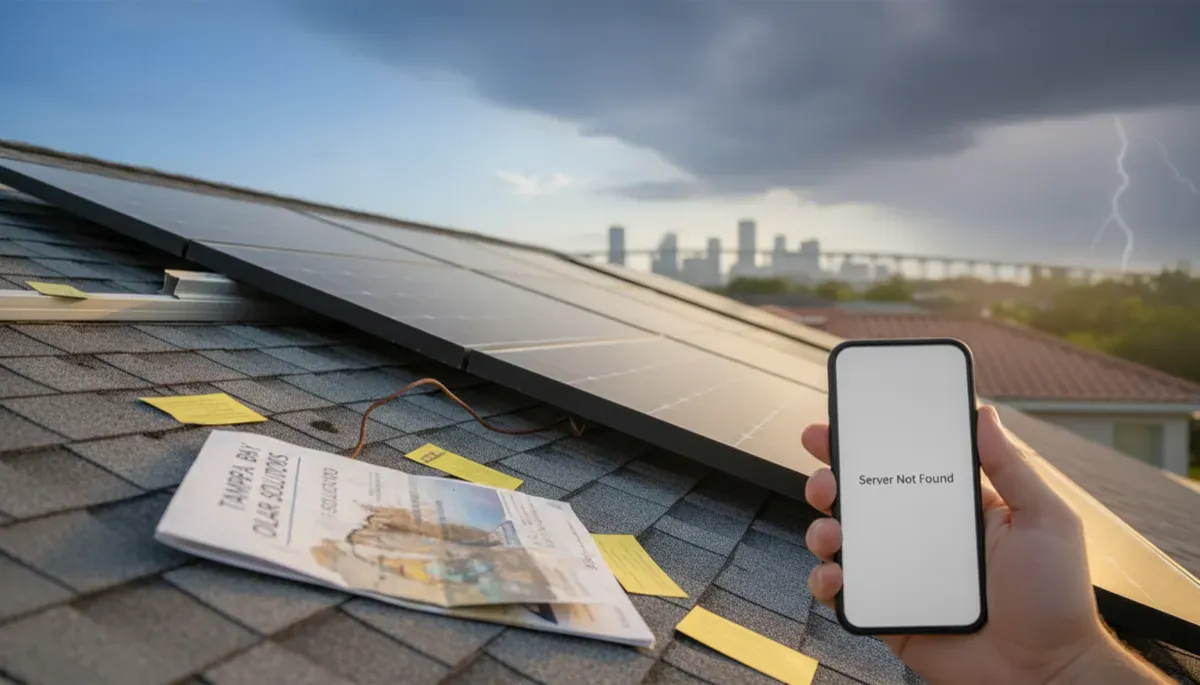
You go to call your solar installer and the number is disconnected. The website is gone, the office sign is down, and your emails bounce. For many Tampa Bay homeowners, this is a frustrating surprise—but it does not mean the solar system on your roof is a loss. Fused Solar and Roofing is a licensed roofing (CCC1331058), electrical (EC13014750), and building contractor (CBC1252064) — all three in-house. This article explains what an orphaned system actually is, what happens to your warranties, what still works, and how to get qualified service now.
1. Why so many Florida solar installers are gone
Florida’s solar market has grown quickly, with strong residential and utility-scale expansion across the state. That growth has attracted many new companies, from well-established contractors to short-lived sales-driven outfits. Some of those businesses later closed, merged, or restructured as financing conditions, equipment costs, and sales models changed. When that happens, customers can be left without a clear point of contact, even though their systems are still tied into the grid and producing power every day. The important point is that a closed installer is a business event, not an automatic technical failure of your solar equipment.
2. What an orphaned system actually means
An “orphaned” solar system is simply a system whose original installer is no longer available to answer the phone, schedule service, or honor its own workmanship warranty. The panels, inverters, optimizers, racking, wiring, and monitoring accounts still exist. Your interconnection with the utility is still governed by your signed agreement and approved permits. In most cases, the system continues to operate and send energy to your home and to the grid. What has changed is the support relationship: instead of calling the company that installed it, you now need a qualified, licensed contractor who is willing and able to step in as your service provider.
📌 Key Takeaway: The installer's workmanship warranty and the manufacturer's equipment warranty are two different things. Losing the installer does not automatically end the manufacturer coverage.
3. The two warranties, and which one survives
Every residential solar system in Tampa Bay is covered by at least two broad categories of protection: the installer’s workmanship warranty and the manufacturers’ equipment warranties. The workmanship warranty is issued by the company that performed the installation. It typically covers how components were mounted, wired, and sealed to your roof, and it is tied directly to that business. When an installer closes, dissolves, or can no longer be reached, this workmanship warranty is usually the one that becomes difficult or impossible to enforce because there is no longer a company to respond to claims under that contract.
By contrast, manufacturer equipment warranties are held with the manufacturers of your panels, inverters, optimizers, and batteries. These warranties are separate from any promise made by the installer. They generally follow the product itself and can remain in force even if the original installer is no longer in business, subject to the manufacturer’s own written terms. Many manufacturers require product registration, proof of purchase, or evidence of professional maintenance. Some specify how claims must be submitted and whether labor is included. Because these terms vary, the safest approach is to identify the exact make and model of your equipment and review the warranty documentation on the manufacturer’s website or in your original paperwork, or have a licensed contractor help you interpret it. Documented inspections and repairs by a licensed contractor remove one of the most common objections manufacturers raise—lack of professional maintenance—without guaranteeing any particular claim outcome.
In practice, this means that when your installer disappears, you may lose their workmanship coverage, but you may still have substantial protection on the hardware itself. A careful review of your panel, inverter, optimizer, and battery warranties will show what remains in place, what needs to be registered, and what documentation you should keep for any future claim.
Original installer gone? Fused Solar and Roofing services solar systems of all brands across Hillsborough, Pinellas, Pasco, and Manatee counties. Request service at https://fusedsolarandroofing.com/solar-repair
4. How to find out what equipment you actually have
If your installer is gone and your paperwork is incomplete, the first step is to identify your equipment. You can safely do this from the outside of the components without opening anything. On your inverter, look for a label on the front, side, or bottom that lists the manufacturer, model number, and serial number. For panels, there is a label on the back of each module with the same type of information. A technician can read these during a site visit; if you can see a label from the roof edge or an accessible area without climbing or handling wiring, you may be able to record it yourself, but avoid touching or disturbing any electrical parts or connectors.
Next, check your county permit records. In Hillsborough, Pinellas, Pasco, and Manatee counties, solar permits are part of the public record and often list the contractor of record, system size, and sometimes the equipment brand. These records remain even when the installer’s business changes. Finally, log in to any monitoring portal you still have access to—whether through a mobile app, web browser, or utility account. Monitoring platforms often show the inverter brand, system size, and installation date. Combining these three sources—equipment labels, permit records, and monitoring details—gives you a clear picture of what is on your roof and how it was originally approved.
💡 Pro Tip: The model and serial numbers on your inverter and on the back of a panel tell you exactly what equipment you have, even if every piece of paperwork is gone.
5. What still works without the original installer
When an installer goes out of business, your solar system does not suddenly shut off. The physical components—panels, racking, wiring, inverters, disconnects, and any batteries—continue to operate according to how they were installed and interconnected. Your utility interconnection agreement remains in place unless your utility specifically changes it. Net metering credits, where applicable, are based on energy delivered to the grid, not on who installed the hardware. What you lose is the convenience of calling the original company for questions, tune-ups, or warranty support. A licensed service contractor can step into that role, evaluate the system’s current condition, and help you plan any needed maintenance or upgrades so the system continues to perform as intended.
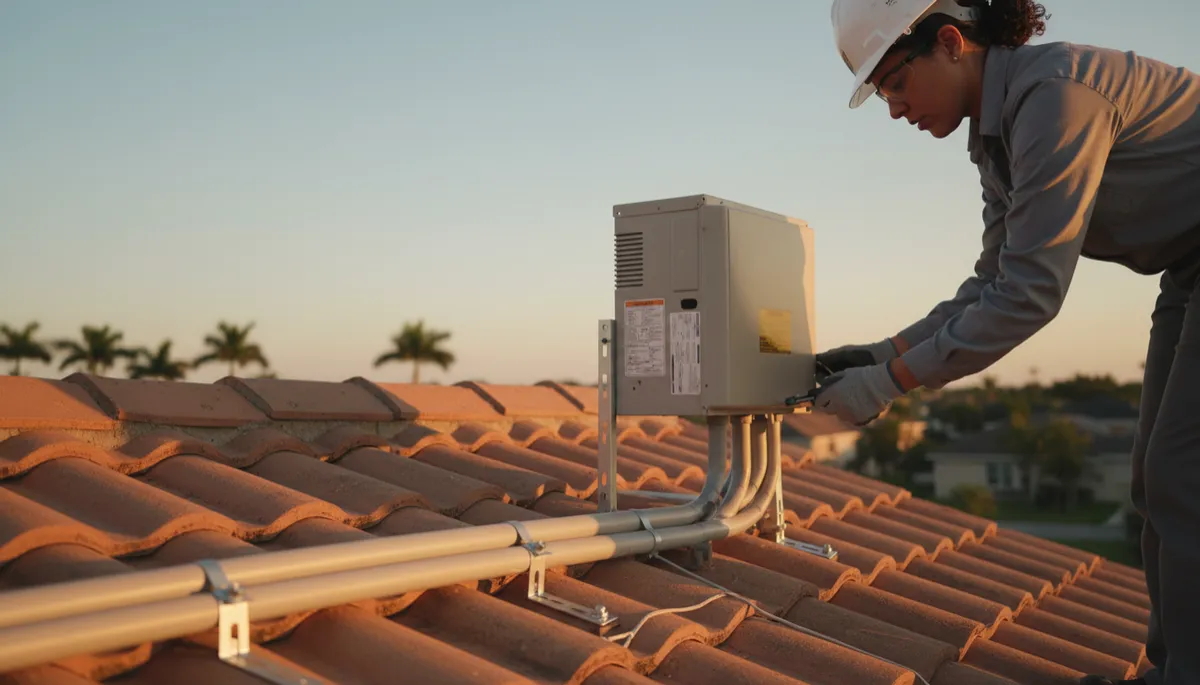
A methodical inspection documents system condition and supports future warranty discussions.
⚠️ Warning: A system nobody has looked at in years is not necessarily broken, but it is undocumented. Corrosion, loose terminations, and roof penetration wear are all easier to fix before they cause a failure.
6. Getting your monitoring back
Many orphaned systems in Tampa Bay are still producing power but no longer show data in the homeowner’s monitoring app. This can happen if the installer originally managed the monitoring account, if the inverter was replaced and never re-commissioned to the cloud, or if a home internet or router change interrupted communication. In most cases, the monitoring platform is run by the inverter or optimizer manufacturer, not the installer, and can be recovered or reconfigured. A licensed service contractor can identify the monitoring hardware, verify internet connectivity, and work with the manufacturer’s support team to re-establish your account or transfer it to your name when the platform allows it. Once monitoring is restored, you regain visibility into daily and historical production, which is essential for catching issues early and documenting system performance over time.
💡 Pro Tip: Gather your original contract, permit records, and any monitoring login you still have before your first service call. County permit records are public and often survive when the installer does not.
7. Who can legally service your system in Florida
Servicing a rooftop solar system in Florida involves work on wiring, terminations, inverters, disconnect switches, and the connection to your main electrical service panel. All of this is regulated electrical work overseen by the Florida Department of Business and Professional Regulation. In addition, any work that affects roof penetrations or structural attachments touches roofing and building scopes. For your safety and for code compliance, you should only hire contractors who hold the appropriate active licenses. Fused Solar and Roofing is a licensed roofing (CCC1331058), electrical (EC13014750), and building contractor (CBC1252064) — all three in-house. Regardless of whom you choose, you should verify any contractor’s license at MyFloridaLicense.com before agreeing to work, confirming that the license is current, in good standing, and matches the company name on your proposal or service agreement.
📌 Key Takeaway: Fused Solar and Roofing services all brands under electrical license EC13014750, including systems installed by companies that are no longer in business.
8. What a first service visit on an orphaned system covers
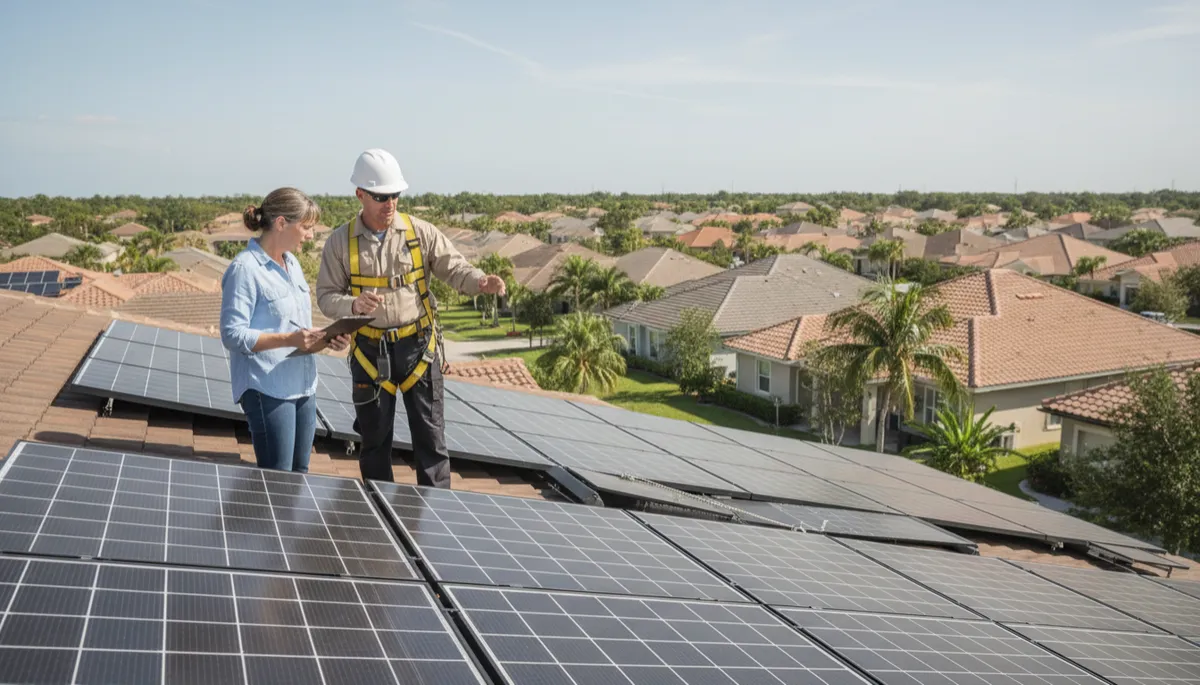
A well-structured first service visit on an orphaned system is part inspection, part documentation, and part troubleshooting. The technician will typically begin with a visual review of the array, racking, wiring runs, junction boxes, and roof penetrations, looking for signs of corrosion, loose conductors, damaged conduit, or sealant wear. They will record panel and inverter model and serial numbers, confirm how the system ties into your main service panel, and note any batteries or additional components. Where safe and appropriate, they will verify system operation, check for error codes, and review any available monitoring data. The goal is to leave you with a clear written record of what equipment you have, how it is performing today, and what—if anything—needs attention in the near term. This documentation can support future warranty conversations with manufacturers and gives you a baseline for comparing performance over time. Fused Solar and Roofing is an EnergySage Elite Installer with a 5.0/5 rating and 21+ verified reviews — independent verification, earned not purchased.
Frequently Asked Questions: Orphaned Solar Systems in Tampa Bay
1. Is my manufacturer warranty still valid if my installer is out of business in Tampa Bay?
Manufacturer warranties on panels, inverters, optimizers, and batteries are issued by the product manufacturers and are separate from your installer’s workmanship warranty. When an installer in the Tampa Bay area closes, that does not automatically end manufacturer coverage, but it does not automatically preserve it either. Each manufacturer sets its own terms, which may include registration requirements, proof of purchase, and expectations for professional maintenance. To understand your position, identify the exact make and model of your equipment, locate or download the applicable warranty documents from the manufacturer’s website, and review the conditions carefully. A licensed contractor can help you document system condition and maintenance, which removes a common objection in warranty discussions without guaranteeing any particular claim outcome.
2. How can I find out who made my solar equipment if I cannot reach the installer?
To identify your equipment in Hillsborough, Pinellas, Pasco, or Manatee County, start with the labels on your hardware. Your inverter will have a nameplate listing the manufacturer, model, and serial number, and each panel has a label on the back with similar details; these can be read visually without opening any electrical enclosures. Next, search your county’s online permit portal for your address to see the original solar permit, which often lists the contractor and sometimes the equipment brand. Finally, log in to any monitoring app or web portal you still have; many platforms display the inverter brand, system size, and commissioning date. If you prefer not to climb or access the roof, a licensed service contractor can gather this information during a site visit and compile it into a clear equipment list for your records.
3. Will another company in Tampa Bay service a solar system it did not install?
Many licensed contractors in the Tampa Bay region, including Fused Solar and Roofing, routinely service systems they did not originally install. This is especially common now that some earlier installers have closed. When you call for service, be prepared to share your address, approximate installation year, any paperwork you still have, and whether the system is currently producing power or showing errors. A reputable contractor will explain their service process, confirm that they work on all major brands, and outline what a first diagnostic visit includes. The fact that they did not perform the original installation does not prevent them from inspecting, maintaining, or repairing the system, as long as they hold the appropriate licenses and follow current code requirements.
4. What happens to my solar monitoring account when the installer disappears?
In most Tampa Bay systems, the monitoring platform is operated by the inverter or optimizer manufacturer rather than the installer. If your installer managed the account, you may lose access when their email domain is shut down or their company account is closed, but the underlying data and hardware are often still functional. A licensed contractor can determine which monitoring service your system uses, verify that the communication hardware is powered and connected to your home network, and work with the manufacturer’s support team to create a new homeowner account or transfer ownership when the platform allows it. Once this process is complete, you regain direct visibility into your system’s performance, independent of the original installer’s status.
5. Is it safe to keep running my orphaned solar system without service in Tampa Bay?
Most solar systems in Hillsborough, Pinellas, Pasco, and Manatee counties are designed to run for many years with minimal intervention, and many orphaned systems continue operating safely after their installers close. However, coastal and humid conditions can accelerate corrosion, and normal aging can affect wiring terminations, roof penetrations, and conduit supports. Running indefinitely without inspection means you lack documentation of the system’s condition and may miss early warning signs that are easier and less disruptive to address when caught promptly. For peace of mind and to support future warranty discussions, it is prudent to have a licensed electrical contractor perform a periodic inspection, confirm that the system is operating within specifications, and document any recommended maintenance, rather than assuming that no news is always good news.
6. What documentation should I gather before calling a service company in Tampa Bay?
Before you contact a service provider in Tampa Bay, collect any documents that describe your system and its history. Helpful items include your original contract or proposal, the installation completion paperwork, any panel or inverter spec sheets, copies of your county permit and final inspection, and screenshots or login details for your monitoring platform if it still works. If you do not have these on hand, you can often download permit records from your county’s online portal using your address. Having this information ready allows the contractor to prepare for the visit, identify likely equipment types, and check for applicable manufacturer warranties. It also shortens the time needed on-site to reconstruct your system’s background, so more of the visit can focus on inspection, testing, and practical recommendations.
Fused Solar and Roofing is a licensed electrical contractor (EC13014750) servicing solar systems of all brands across Hillsborough, Pinellas, Pasco, and Manatee counties, including systems whose original installer is no longer in business. Request a service visit at https://fusedsolarandroofing.com/solar-repair
Is your solar system producing what it should? Request a service visit at https://fusedsolarandroofing.com/solar-repair
