Metal Roof Detach & Reinstall in Tampa Bay: 7 Key Steps
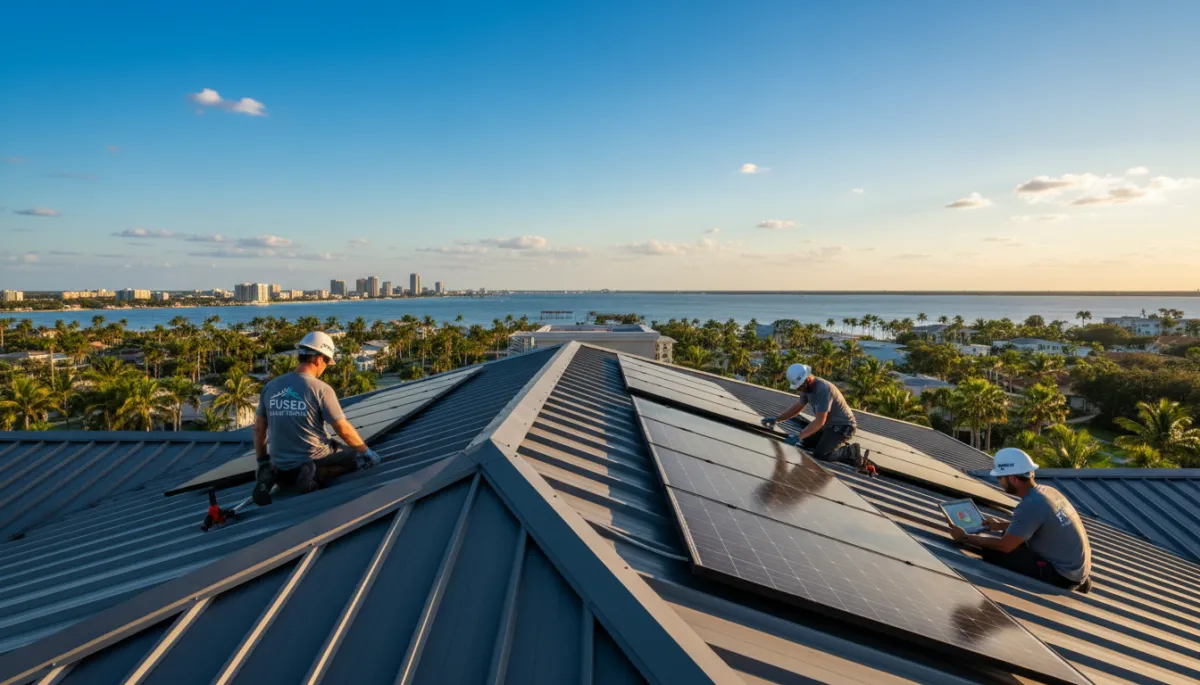
Across Tampa Bay, more homeowners are replacing aging asphalt shingles with standing seam and other metal roofing systems for better hurricane resistance, longer life, and improved performance in salt air. If you already have rooftop solar, that upgrade involves more than just swapping roofing materials. Your solar array must be safely detached, protected, and then reinstalled on the new metal roof to current Florida codes. This guide from Fused Solar and Roofing walks Tampa Bay homeowners through how a professional metal roof detach and reinstall in Tampa should work from start to finish. You will learn how metal changes the mounting approach, the seven key steps in a compliant detach and reinstall (D&R), what hardware is reused, realistic timelines and costs in our region, and the special considerations for coastal Pinellas County homes. The goal is to protect your solar investment, your new metal roof, and your warranties while minimizing downtime and surprises.
Why Metal Changes the Detach & Reinstall Equation
Most existing solar arrays in Tampa Bay were originally installed on asphalt shingle roofs using lag-bolted feet and flashing that penetrate the roof deck. When you upgrade to metal, the roof profile and the attachment strategy both change, especially with standing seam systems. Understanding that difference is critical before any contractor starts unbolting your panels.
With standing seam metal roofing, raised seams run vertically up the roof. Quality solar mounting systems clamp directly to these seams using engineered seam clamps. The clamps grip the seam without penetrating the metal panel or roof deck, so there are no new holes to flash. This approach preserves the integrity of your new roof, reduces potential leak points, and aligns with manufacturer instructions for many premium standing seam products. It is one of the reasons standing seam is widely considered the best long-term roofing partner for solar in Florida’s climate, where wind-driven rain and hurricanes are ongoing concerns.
In contrast, exposed-fastener metal roofs (such as corrugated panels) use visible screws through the panel surface. Solar mounting on these systems typically requires additional penetrating attachments with specialized gaskets and flashing. While this can be done to code, it introduces more fasteners and seal points that must be maintained over time. It is especially important in Tampa Bay, where intense UV and afternoon storms accelerate wear on gaskets and sealants compared with cooler, drier climates.
A properly installed metal roof often carries a service life of 40–50 years or more, compared with 15–25 years for typical asphalt shingles, based on typical published ranges from major roofing manufacturers and industry cost guides. Solar panels are commonly warrantied for 25 years or longer. Pairing solar with a quality standing seam metal roof means your roof is far less likely to need replacement before your solar array, reducing the number of detach and reinstall cycles you will face over the system’s life. That is why many Tampa Bay homeowners planning to stay in their homes long term are choosing metal plus solar as a combined, future-proof investment.
The 7 Key Steps in a Tampa Bay Metal Roof Detach & Reinstall
1. System Audit and Production Baseline
Before a single panel is removed, a licensed solar contractor should complete a focused system audit. They document panel make and model, inverter type, optimizer or microinverter counts, wiring routes, and your current monitoring setup. Just as important, they capture a production baseline from your monitoring portal or inverter history. That baseline becomes your benchmark to confirm the system performs as well as, or better than, before once it is reinstalled on the metal roof. Any existing issues, such as underperforming strings or failed optimizers, should be identified and planned for correction during the project instead of being reinstalled as-is.
2. Permitting Through the County or City
In Tampa Bay, both the new metal roof and the solar detach and reinstall must be properly permitted. In Pinellas County, for example, roofing work exceeding $500 or requiring inspection needs a building permit submitted through the county’s online Access Portal. Similar requirements apply in Hillsborough, Pasco, and Manatee counties, and many municipalities have their own submittal processes. Your contractor should handle the applications and include any updated structural or electrical details if the mounting method or layout is changing. Proper permits ensure the work is inspected against the Florida Building Code and local amendments, including wind load and uplift requirements critical in our hurricane-prone region.
3. Safe Electrical Disconnect and Panel Removal
Once permits are issued and your reroof date is scheduled, the solar contractor coordinates a safe shutdown. They turn off the inverter, open DC and AC disconnects, and, where required, coordinate with the utility for any meter pull or main disconnect. Only after the system is fully de-energized should technicians begin removing panels, wiring, and racking. All work must follow National Electrical Code requirements and manufacturer instructions so connectors, conductors, and equipment that will be reused on the new metal roof are not damaged. Careful handling at this stage prevents hidden problems that could reduce performance later.
4. Labeling, Staging, and Protected Storage
A professional metal roof detach and reinstall in Tampa should look organized, not chaotic. Each panel, optimizer, and string is clearly labeled so reassembly is straightforward and consistent with the original design or updated plans. Panels are staged on padded surfaces, out of high-traffic areas, and secured against wind. If weather or scheduling requires storage longer than a day, panels are moved to a protected indoor or covered space. This helps prevent damage from afternoon thunderstorms, debris, or accidental impacts while the roofing crew tears off the old shingles and installs the new metal system.
5. Roof Tear-Off and Metal Installation
With the solar array safely removed, the roofing crew completes the asphalt shingle tear-off, inspects the decking, and installs underlayment and the new metal roof according to Florida Building Code and manufacturer specifications. In Tampa Bay, that includes using products with appropriate Florida product approvals and wind ratings. For standing seam roofs, panel layout and seam spacing are coordinated with the planned solar layout so seams align with optimal mounting locations. Close coordination between the roofer and solar team at this stage avoids compromises later, such as suboptimal panel placement, shading issues, or unnecessary penetrations through your new metal panels.
6. New Racking Layout on the Metal Profile
Once the metal roof is installed, the solar contractor adds new mounting hardware designed specifically for that metal profile. On standing seam, this means seam clamps that attach to the raised ribs at engineered spacing and torque without penetrating the panels. On exposed-fastener or corrugated roofs, it may involve specialized brackets with gaskets and fasteners that align with purlins or deck framing. The contractor designs a racking layout that meets structural load requirements, respects manufacturer clamp spacing rules, and maximizes solar production while keeping walkways and service clearances accessible for future maintenance and inspections.
7. Reinstall, Re-Commission, Inspection and Monitoring Verification
With mounts and rails in place, panels, optimizers or microinverters, and wiring are reinstalled. Electrical connections are re-terminated, labeling is updated, and required safety signage is replaced or added to meet current code. The contractor then powers up the system, verifies voltage, current, and inverter operation, and confirms that your monitoring portal is communicating correctly. County or city inspectors review both the roof and solar work, and the utility processes any required re-activation. Finally, your contractor compares post-project production to the original baseline to confirm your Tampa Bay metal roof solar system is performing as expected.
Ready to keep your solar system in peak condition? Schedule a free solar panel cleaning and maintenance audit at https://tampasolarmaintenance.com
Racking and Attachment: What Gets Reused, What Doesn’t
One of the most important realities for homeowners planning a solar panel removal metal roof project is that shingle-based mounting hardware does not transfer to metal. The lag bolts, flashing plates, and roof “feet” used on asphalt shingles are engineered for a completely different roof assembly. Reusing them on metal would typically violate both roofing and racking manufacturer instructions and can compromise the watertightness of your new roof. A reputable contractor will remove and dispose of these components, not attempt to retrofit them onto metal panels or seams.
What can often be reused are the solar panels themselves, optimizers or microinverters, and sometimes the rail system, depending on its compatibility with the new metal clamps or brackets. Many modern rail-based systems can connect to metal roof clamps with new hardware kits, preserving the rails while replacing only the attachment interface. In other cases, especially older systems, both the attachments and rails may be replaced with a more current, metal-specific racking solution that better meets today’s wind and uplift standards for Tampa Bay.
In terms of cost, industry data for Florida residential projects shows typical removal and reinstall work ranging from approximately $2,500 to $6,500 for many homes, with per-panel pricing commonly between $200 and $500. When you add new metal-specific racking and clamps, the total cost will be higher than a simple detach and reset back onto shingles because more hardware must be replaced. However, you gain a cleaner, code-compliant installation that protects your new roof and supports the long service life of both the metal roofing and the solar array. A detailed proposal should clearly separate labor, new attachment hardware, and any reused components so you understand exactly what you are paying for and why.
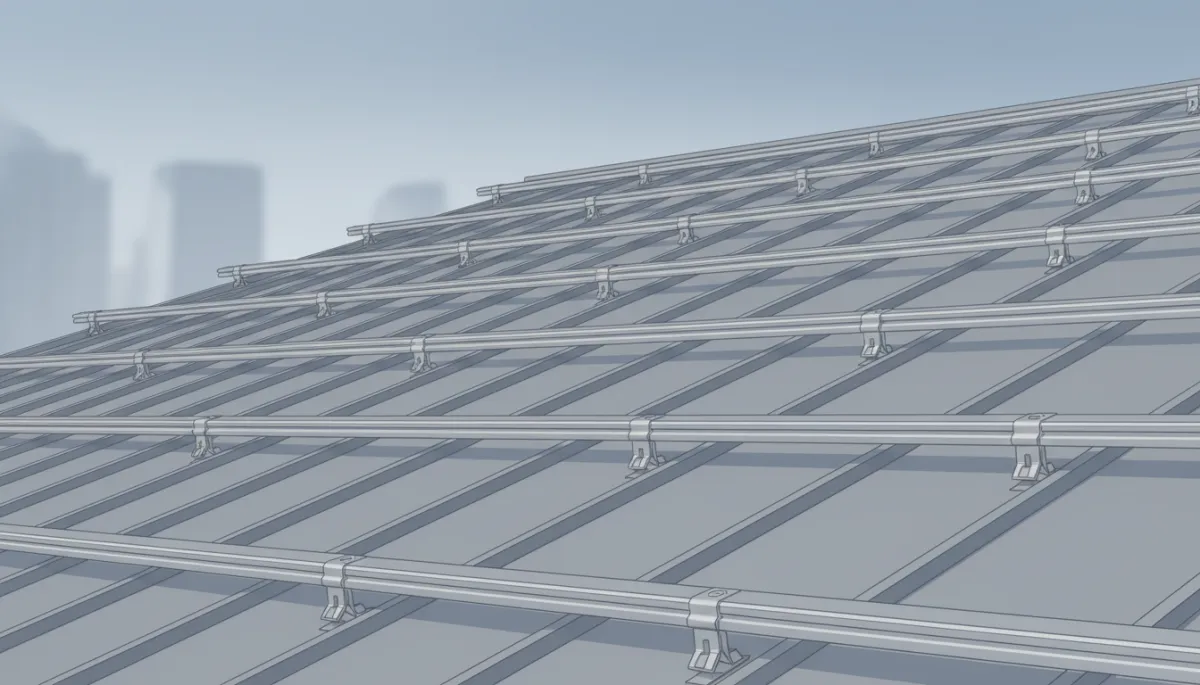
Metal-specific clamps protect the roof panels while securing solar under Florida wind loads.
Timeline and Cost for a Tampa Bay Metal + D&R Project
Every project is unique, but there are consistent timeline milestones Tampa Bay homeowners can expect. First is the permitting window. In Pinellas, Hillsborough, Pasco, and Manatee counties, permit review times vary with workload, but many residential roofing and solar permits are processed within a few business days to a few weeks. Your contractor should monitor the status and keep you updated so your project is scheduled as soon as permits are approved. Delays often arise when product approvals, engineering documents, or application details are incomplete, so working with an experienced contractor helps keep this phase on track.
Once permits are in hand, the on-site work for a typical residential metal roof plus solar detach and reinstall usually spans several days. A common sequence is one day for solar removal and staging, two to four days for tear-off and metal roof installation depending on roof size and complexity, and one to two days for racking installation, panel reinstall, and electrical reconnection. Weather, inspections, and material delivery can affect this schedule, but a coordinated plan between the roofing and solar teams minimizes the time your home is without a functioning solar array and without full roof coverage.
For utility and inspection re-activation, your local jurisdiction will conduct final inspections on the roof and solar electrical work. After passing inspections, your utility processes any required paperwork before your system is fully re-energized. This can take from a few days to a couple of weeks depending on utility workflow and whether your interconnection agreement needs updating. Throughout, your contractor should clearly explain when your system will be offline and when you can expect it to be producing again, so you can plan around any temporary increase in grid usage.
In terms of cost, typical published ranges for the Tampa Bay market show that a full detach and reinstall with new hardware usually falls in the low-to-mid thousands of dollars for most residential systems. When combined with a new metal roof, total project costs for the roofing portion in Tampa Bay commonly range from approximately $12,000 to $32,000 for many homes, depending on size and whether you choose basic exposed-fastener or premium standing seam systems. Your written proposal should state the detach and reinstall scope as a standalone line item, expressed as a total cost with no tax credits applied.
Coastal Pinellas Considerations: Clearwater, St. Petersburg, Dunedin, Largo
Homes in coastal Pinellas County face harsher conditions than inland properties. In Clearwater, St. Petersburg, Dunedin, Largo, and nearby waterfront communities, salt air exposure accelerates corrosion on both roofing and solar hardware. For standing seam solar mounting, Florida homeowners along the coast should prioritize corrosion-resistant materials. Aluminum clamps and rails, combined with stainless steel fasteners, are widely used because they resist rust and pitting better than many untreated steels in marine environments. Where steel components are required, they should be hot-dip galvanized or otherwise coated and listed for coastal use, and dissimilar metals must be managed carefully to reduce galvanic corrosion.
Wind uplift ratings are another critical factor. The Florida Building Code specifies design wind speeds and uplift requirements that increase in coastal and high-exposure zones. Metal roof panels, seams, and solar attachment systems must all be engineered and installed to withstand those forces. That includes following manufacturer clamp spacing charts, using the correct torque settings, and ensuring rail spans and attachment counts are adequate for the local wind zone. Properly designed metal-plus-solar systems have performed well in recent Florida storms, giving coastal homeowners greater confidence that their roof and array will remain intact when the next hurricane or tropical storm passes through Tampa Bay.
For coastal properties, the combination of a corrosion-resistant standing seam metal roof and a well-engineered solar mounting system offers some of the best long-term protection and performance available. It reduces the frequency of roof replacements, minimizes penetrations, and provides a stable, durable platform for your solar investment in the challenging conditions along the Gulf coast.
Warranty and Code Protection: Why a Single Licensed Contractor Matters
Roof and solar warranties are only as strong as the documentation and compliance behind them. When you choose one licensed contractor to handle both the metal roof replacement and the solar detach and reinstall, you reduce the risk of finger-pointing between trades if a problem arises later. A single point of responsibility means one company is accountable for protecting both your roof warranty and your solar workmanship warranty, and for ensuring that the installation complies with the Florida Building Code and manufacturer requirements for all products involved.
The Florida Building Code sets minimum standards for roof installation, wind uplift resistance, and structural loading. Solar attachments must be installed according to approved engineering and product approvals that match or exceed the code’s wind design criteria for your location. Failure to follow these requirements can create safety issues and jeopardize manufacturer warranties on both the metal roofing and the solar racking. Common actions that void a metal roof manufacturer warranty include drilling unapproved holes in panels, using non-approved fasteners or clamps, mixing incompatible metals that cause corrosion, and installing solar hardware directly through the panel ribs without required flashing or sealants specified by the manufacturer.
By working with a contractor experienced in Tampa Bay metal roof solar projects, you gain assurance that product approvals, engineering documents, and installation practices are aligned. They should provide you with copies of permit approvals, inspection sign-offs, and warranty registration documents, so you have a complete record if a future claim is ever needed. This comprehensive approach is especially important for Pinellas County solar roof replacement projects, where both coastal exposure and strict local enforcement make code compliance and documentation essential to protecting your home and investment.
CUSTOMER SAFETY ALERT — All detach and reinstall work MUST be fully permitted and inspected by county authorities. Unlicensed installers CANNOT obtain permits. Demand permits, verify licenses at myfloridalicense.com, require inspections, and get certificates in writing. Unpermitted solar voids panel warranties, voids roof warranties, and leaves the homeowner liable for $15,000–$25,000+ in corrective work at resale.
Maximize your investment with expert solar maintenance. Book your solar panel cleaning and inspection service at https://tampasolarmaintenance.com
FAQ: Metal Roof Detach & Reinstall for Tampa Bay Homeowners
1. Can my existing solar panels be reused on a new metal roof?
In most cases, yes. Panels, optimizers, and inverters can often be reused if they are in good condition and still within their service life. The mounting hardware that attached them to shingles, however, is usually replaced with metal-specific clamps and brackets to protect the new roof and meet current code.
2. How long will my solar system be offline during a metal roof replacement?
For most Tampa Bay homes, expect your system to be offline for several days to about a week, depending on roof size, weather, and inspection timing. Your contractor should give you a project-specific schedule so you know when the system will be shut down and when it will be re-commissioned.
3. Do I need new permits if I am only moving the solar panels onto a new roof?
Yes. Counties and cities in Tampa Bay treat a detach and reinstall as permitted work because it involves structural attachments and electrical connections. Your contractor should apply for updated permits covering both the roof replacement and the solar D&R scope.
4. Is standing seam always better than exposed-fastener metal for solar?
For most solar applications, standing seam is preferred because clamp-on attachments avoid new penetrations through the roof panels. Exposed-fastener systems can still work well when installed with the right brackets and sealants, but they typically involve more fasteners and maintenance over time.
5. How does salt air near the coast affect my solar mounting hardware?
Salt air accelerates corrosion, especially on uncoated steel. Coastal Pinellas homeowners should use aluminum rails and clamps with stainless fasteners or other corrosion-resistant combinations approved for marine environments. Regular inspections help catch any corrosion early before it affects structural integrity.
6. Will a detach and reinstall affect my solar warranties?
When performed by a licensed contractor following manufacturer instructions and with proper permits and inspections, a D&R should not void panel or inverter warranties. Unpermitted work, damaged connectors, or non-approved mounting can, however, create warranty issues. Always confirm how your installer protects your existing warranties before work begins.
7. What should I look for in a contractor for a Tampa Bay metal roof solar project?
Look for a contractor licensed for both roofing and solar, experienced with standing seam solar mounting on Florida projects, familiar with local permitting in Pinellas, Hillsborough, Pasco, and Manatee counties, and willing to provide detailed, written proposals and warranty documentation. They should clearly explain what hardware is reused, what is replaced, and how they will protect your roof and solar investment throughout the process.
Conclusion: Protecting Your Roof, Solar Investment, and Home Value
Upgrading from asphalt shingles to a metal roof is one of the most impactful improvements a Tampa Bay homeowner can make for durability, storm resilience, and long-term value. When you already have rooftop solar, treating the detach and reinstall as a carefully planned project—not an afterthought—protects both your new roof and your energy investment. Understanding how metal changes the mounting approach, why shingle hardware does not transfer, what the seven key steps involve, and how permitting, timelines, and warranties work gives you the leverage to insist on professional, code-compliant work. Whether you live in coastal Clearwater, St. Petersburg, Dunedin, Largo, or anywhere across Hillsborough, Pasco, or Manatee counties, partnering with a qualified contractor who can manage both roofing and solar is the most reliable way to ensure your metal roof detach and reinstall in Tampa delivers the performance, safety, and peace of mind you expect for decades to come.
Is your solar system performing at its best? Start your free maintenance consultation at https://tampasolarmaintenance.com
Fused Solar and Roofing is a licensed roofing (CCC1331058), electrical (EC13014750), and building contractor (CBC1252064), all three in-house, serving Hillsborough, Pinellas, Pasco, and Manatee counties since 2007. Fused Solar and Roofing is an EnergySage Elite Installer with a 5.0/5 rating and 21+ verified reviews, independent verification, earned not purchased.
Replacing a roof that has solar on it? Request a detach and reinstall quote at https://fusedsolarandroofing.com/solar-panel-removal
Who is allowed to do each part of a detach and reinstall, and why, is covered in our guide at https://fusedsolarandroofing.com/post/who-can-remove-reinstall-solar-florida