The Hidden Risks of DIY Solar Panel Removal in Tampa Bay
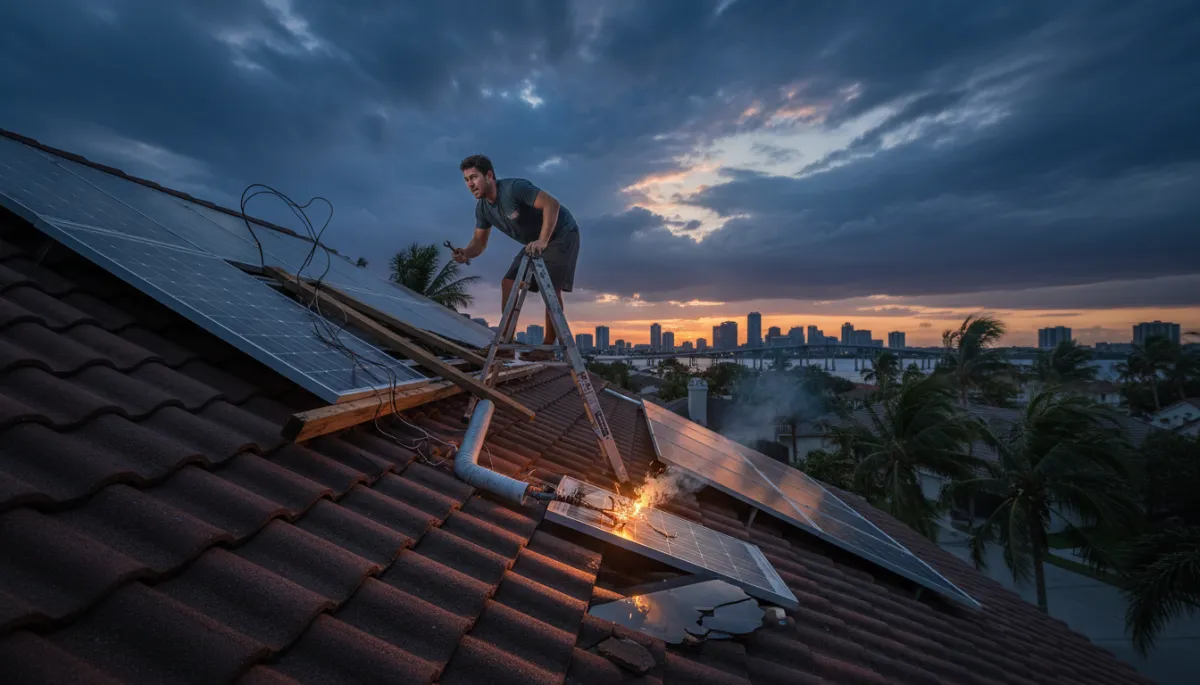
Thinking about pulling your own solar panels before a roof replacement to save money? Across Tampa Bay, that decision can create serious safety, warranty, and insurance problems that end up costing far more than a professional Detach & Reinstall service.
Why Tampa Bay Homeowners Consider DIY Solar Panel Removal
In Hillsborough, Pinellas, Pasco, and Manatee counties, thousands of homeowners have gone solar over the last decade. Now that many original roofs are nearing the end of their lifespan, a common question pops up: “Is it safe to remove solar panels myself before the roofer starts?” On the surface, it can seem like a simple, money‑saving project—especially if you are handy or have done other DIY work around the house.
Homeowners in places like Brandon, Clearwater, St. Petersburg, Oldsmar, and Bradenton usually consider DIY removal for a few reasons:
Cost concerns: Roof replacement is a major expense. When a roofer says, “You’ll need your solar removed and reinstalled,” it is tempting to cut out the professional Detach & Reinstall line item and do it yourself instead.
Underestimating complexity: From the ground, panels look like large tiles screwed into rails. Many people assume the job is just unscrewing, lifting, and stacking them in the garage until the new roof is on.
Misinformation online: Some generic DIY videos gloss over local code, permitting, and safety requirements that apply in the Tampa Bay area, giving a false sense of security.
Scheduling pressure: Roofers often book weeks out. When a storm season deadline is looming in Pasco or Manatee County, homeowners may rush to “get the panels off” so the roofer can start, without realizing the risks.
The reality is that a solar array is a live electrical power plant on your roof, tied into your home’s electrical system and the utility grid. Treating it like a simple home improvement project can put you, your family, and your property in real danger.
Electrical Shock and Fire Hazards of DIY Solar Removal
Even on a cloudy day in Dunedin or Riverview, your solar panels are producing DC electricity as long as there is light. Unlike most circuits in your home that can be turned off at a breaker, solar modules can remain energized whenever exposed to the sun. This makes DIY handling especially dangerous without proper training and equipment.
Risk of electric shock: Disconnecting live wiring, opening junction boxes, or separating connectors incorrectly can expose you to high DC voltage. OSHA notes that workers on solar systems face risks of electrocution and arc‑flash if safe work practices are not followed. A shock at roof height can also trigger a fall, multiplying the danger.
Improper lockout/tagout: Professional crews follow strict energy isolation procedures so the system cannot unexpectedly energize while they are working. Homeowners rarely have a written lockout/tagout plan or the testing tools to verify circuits are truly de‑energized before touching them.
Fire hazards from damaged wiring: Dragging panels across the roof, letting them hang by their wires, or kinking conduit can damage insulation. When the system is later re‑energized, these hidden issues can cause arcing, overheating, and potentially a roof or attic fire weeks or months after the roofing job is complete.
Licensed Detach & Reinstall crews in Tampa Bay use insulated tools, test equipment, and step‑by‑step procedures that comply with the National Electrical Code and OSHA electrical safety standards. That level of protection is nearly impossible to replicate in a weekend DIY project.
Fall Risk and OSHA‑Level Safety Requirements DIYers Skip
Even if you are comfortable climbing a ladder, working around solar panels during removal is a very different situation than cleaning gutters. Roof pitches common in Westchase, Largo, and New Port Richey can be steep enough that one misstep means a serious fall. OSHA requires fall protection—such as guardrails, safety nets, or personal fall arrest systems—any time workers are at heights that present a risk of serious injury, and recent enforcement actions in Florida show regulators take these rules seriously.
No harnesses or anchor points: Most homeowners do not own certified harnesses, lanyards, or roof anchors, and even fewer know how to install and use them correctly. Climbing around solar racking while carrying heavy glass panels multiplies the danger.
Trip hazards from rails and wiring: Solar arrays create a maze of rails, clamps, and wiring. Professional crews are trained to maintain clear walk paths and use spotters. DIYers often step where they should not, increasing the risk of slipping or stepping off the roof edge.
Heat and weather factors: Tampa Bay roofs can reach extreme temperatures, and sudden afternoon storms are common. Licensed crews plan their work around weather windows and have protocols for stopping safely when conditions change. DIY removal often happens “whenever there is time,” ignoring these added risks.
💡 Pro Tip: If a roofing or solar contractor cannot clearly explain their fall protection plan for your project, that is a red flag—professional Detach & Reinstall should always include OSHA‑compliant safety measures.
How DIY Removal Can Instantly Void Solar and Roof Warranties
Nearly every major solar equipment manufacturer and roofing manufacturer includes language requiring that installation, modification, and removal be performed by properly licensed professionals. When you perform your own solar removal, you may be stepping outside those terms from the moment you loosen the first bolt.
Solar equipment warranties: Inverters, optimizers, and panels often specify that any work must be completed by an authorized or licensed contractor. If a panel is cracked, an optimizer fails, or wiring overheats after a DIY removal, the manufacturer can deny coverage because the system was serviced by an unqualified person.
Roofing warranties: Shingle and underlayment warranties in Florida are particularly strict because of wind and weather conditions. If a roofing manufacturer learns that solar mounts were removed and reinstalled without proper flashing, torque, or sealants, they may refuse to honor coverage for leaks or wind damage.
A professional Detach & Reinstall is designed to protect those warranties. Licensed crews document the process, use manufacturer‑approved hardware and methods, and coordinate with your roofer so the final installation meets current code and product requirements. Skipping that step can mean voiding your solar or roof warranty over a decision that was meant to save a few dollars up front.
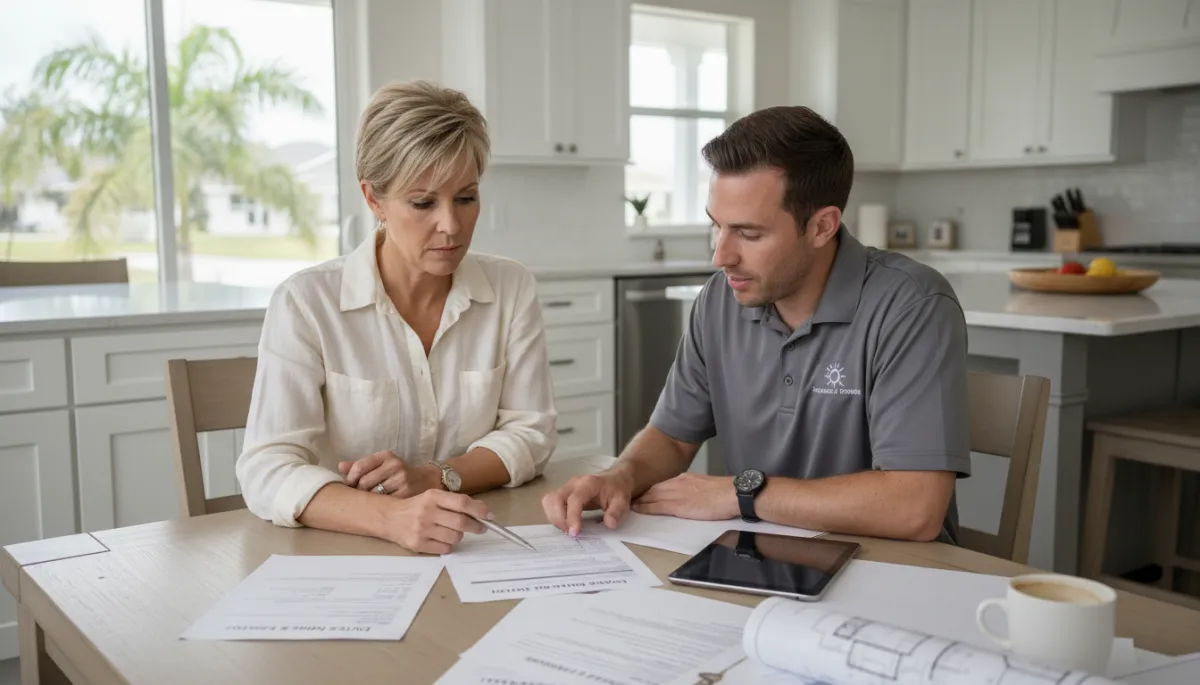
Documented Detach & Reinstall work helps keep both solar and roof warranties fully intact.
Insurance and Liability Exposure for DIY Solar Removal
Homeowners’ insurance policies in Tampa Bay are already under pressure from storms and rising premiums. The last thing you want is a claim denied because the carrier decides your DIY solar work was “unauthorized construction” or “negligent maintenance.”
If you are injured: Falls, electrical shocks, and strains from lifting panels can lead to emergency room visits or long‑term injuries. Your health insurance may cover treatment, but if there is any question of negligence or unsafe practices, disputes can arise—especially if you asked friends or neighbors to help and they get hurt on your property.
If you cause property damage: Dropped panels can break skylights or vehicles. Damaged wiring can spark a fire. If the insurer determines the loss stemmed from unpermitted or non‑code‑compliant work, they may reduce or deny the claim. In contrast, licensed Detach & Reinstall contractors carry their own general liability and workers’ compensation coverage, shifting that risk away from you.
When you hire a professional Detach & Reinstall team, you are not just paying for labor. You are also paying for the insurance, training, and legal responsibility that come with a licensed contractor working on your property under Florida law.
Permits, Inspections, and Why DIY Work Does Not Pass in Tampa Bay
In Tampa Bay, solar installations and re‑installations are treated as electrical and structural work. That means permits and inspections are not optional. Hillsborough County, Pinellas County, Pasco County, and Manatee County each follow the Florida Building Code and National Electrical Code, but their processes and paperwork vary slightly by jurisdiction and even by city.
Hillsborough County & City of Tampa: Roof‑mounted systems typically require an electrical trade permit and engineered plans showing the array layout, attachment details, and electrical diagrams. When panels are removed for a re‑roof and then reinstalled, inspectors expect the system to meet current code at final inspection—not just whatever was allowed when it was first installed in Brandon, Riverview, or Westchase years ago.
Pinellas County cities like Clearwater, Largo, and St. Petersburg: Local building departments may require separate electrical permits, load calculations, and updated interconnection details when a system is detached and reinstalled. They also coordinate with fire safety and zoning requirements, which DIYers rarely account for in their plans.
Pasco and Manatee Counties: In communities such as New Port Richey and Bradenton, permit reviewers look for compliance with wind uplift, roof access pathways, and flood‑zone requirements. Work involving electrical components is not exempt from permits, even if the project cost seems modest.
Building departments generally will not issue or sign off on permits for self‑performed solar Detach & Reinstall work because Florida requires licensed contractors to take responsibility for code compliance. That means if you remove the system yourself and something goes wrong later, you have no approved permit history, no final inspection, and no professional standing behind the work. A complete Detach & Reinstall guide from a local expert can help you understand how the permitting and inspection steps fit together in Tampa Bay.
What a Professional Detach & Reinstall Crew Does Differently
A professional Detach & Reinstall (D&R) service is not just “panel removal.” It is a coordinated process between your solar contractor, roofing contractor, and local building department to protect your investment from start to finish. In Tampa Bay, a qualified crew typically:
Reviews your existing system design, permits, and utility interconnection so they understand exactly how your array is wired and mounted before touching anything.
Safely shuts down and isolates the system following OSHA lockout/tagout principles, using appropriate test equipment to verify that circuits are de‑energized before handling conductors or components.
Uses fall protection, roof anchors, and crew communication protocols so no one is exposed to unnecessary risk while lifting and moving panels and rails.
Documents the layout, string configuration, and labeling so the system can be reinstalled accurately, minimizing downtime and production issues after the new roof is installed.
Coordinates with your roofer to ensure new roof penetrations, flashing, and pathways meet the latest Florida Building Code and manufacturer specifications, preserving both solar and roof warranties.
Pulls and closes permits, schedules inspections, and provides any required as‑built documentation to the county or city, so your project is fully legal and documented.
Choosing a licensed Detach & Reinstall contractor means you are hiring a team that understands both the electrical and roofing sides of your project—and is accountable for safety, code compliance, and long‑term performance.
Ready to keep your solar system in peak condition? Schedule a free solar panel cleaning and maintenance audit.
Real Tampa Bay Scenario: DIY Mistake vs. Professional D&R
Consider a homeowner in Clearwater with a 9‑year‑old shingle roof and a 7‑year‑old solar system. The roofer quotes a full replacement and explains that the solar must be removed and reinstalled. The homeowner receives a D&R estimate from a licensed solar contractor and decides it is too expensive. With a friend’s help, they choose to remove the panels themselves over a weekend to “save a couple thousand dollars.”
During removal, they:
Turn off the inverter but do not fully isolate the DC circuits or verify de‑energization with a meter.
Drag several panels across the shingles, cracking one corner and stressing the wiring harnesses.
Remove mounting hardware in a way that leaves enlarged holes and torn underlayment, which the roofer later has to patch on the fly.
After the new roof is installed, they attempt to reinstall the system themselves. Without engineered plans, they guess at rail spacing and attachment points. A month later, a heavy afternoon storm blows through Tampa Bay. Several panels shift, one rail pulls loose, and water begins to infiltrate around poorly sealed penetrations. At the same time, a damaged connector begins arcing under the array, scorching the new roof deck before tripping a breaker.
The final cost:
Replacement panels and electronics not covered under warranty due to unauthorized work.
Roof repairs to address leaks and damaged decking that the roofing manufacturer will not cover because of non‑approved penetrations.
Out‑of‑pocket electrician and solar technician fees to troubleshoot and bring the system back up to code so it can pass inspection and reconnect to the grid.
All told, the homeowner spends significantly more than the original professional D&R quote—and lives with weeks of downtime and stress. In contrast, a licensed Detach & Reinstall crew would have coordinated the schedule, handled permits and inspections, protected warranties, and returned the system to full production shortly after the new roof was complete.
Maximize your investment with expert solar maintenance. Book your solar panel cleaning and inspection service.
FAQ: Safety, Permits, and Why Licensed Professionals Are Required
Is it safe to remove solar panels myself if I turn off the breaker?
Turning off the inverter or breaker does not make the panels themselves safe to handle. As long as sunlight hits them, they produce voltage. Without training in electrical safety, proper test equipment, and lockout/tagout procedures, you can still receive a dangerous shock or create a fire hazard when reconnecting the system. That is why OSHA and the National Electrical Code expect qualified persons to perform this work.
Do I really need a permit just to take panels off for a new roof?
In Tampa Bay, building departments view Detach & Reinstall as part of the electrical and structural system of your home. While specific forms and fees vary between Hillsborough, Pinellas, Pasco, and Manatee counties, re‑installing the system without permits and inspections can create code violations and problems with your utility interconnection. Licensed contractors handle this paperwork for you and ensure the final inspection passes.
Can my roofer just remove and reinstall the panels instead of a solar company?
Most roofers in Tampa Bay are not licensed electrical contractors and are not authorized to work on the live electrical portions of your solar system. Some roofing companies partner with licensed solar contractors to offer a combined service, which can be a good solution. If your roofer suggests handling the solar themselves, ask about their electrical license, permits, and warranty coverage in writing before agreeing.
Will my solar warranty or roof warranty really be affected by DIY removal?
Yes, it can be. Manufacturers design their warranties around the assumption that trained, licensed professionals will install and service their products. When you perform unlicensed work, you give them a clear reason to deny coverage if anything goes wrong later. Preserving those warranties is one of the most important reasons to work with a professional Detach & Reinstall team when replacing your roof.
How do I choose the right Detach & Reinstall partner in Tampa Bay?
Look for a contractor that holds the appropriate Florida electrical or solar license, carries current insurance, has experience coordinating with roofers, and can show you recent Tampa Bay D&R projects. Ask how they handle permits, inspections, and warranty documentation. A detailed written proposal should outline the entire process from shutdown to final inspection and re‑energization, so you know exactly what to expect.
The Bottom Line for Tampa Bay Homeowners
For homeowners in Hillsborough, Pinellas, Pasco, and Manatee counties, the question is not just “Is it safe to remove solar panels myself?” It is “What am I really risking if I try?” From electrical shock and fall hazards to voided warranties, denied insurance claims, and failed inspections, DIY solar removal can quickly turn into an expensive, stressful mistake—especially when combined with the complexity of a full roof replacement in a coastal, high‑wind region like Tampa Bay.
A professional Detach & Reinstall service treats your solar array and your roof as a single, integrated system. Licensed crews follow OSHA‑level safety standards, manage permits and inspections, protect manufacturer warranties, and coordinate with your roofer so you end up with a code‑compliant, watertight roof and a fully restored solar system ready for years of reliable production. That peace of mind is worth far more than any short‑term savings from a risky DIY approach.
Is your solar system performing at its best? Start your free maintenance consultation.
Fused Solar and Roofing is a licensed roofing (CCC1331058), electrical (EC13014750), and building contractor (CBC1252064), all three in-house, serving Hillsborough, Pinellas, Pasco, and Manatee counties since 2007. Fused Solar and Roofing is an EnergySage Elite Installer with a 5.0/5 rating and 21+ verified reviews, independent verification, earned not purchased.
Replacing a roof that has solar on it? Request a detach and reinstall quote at https://fusedsolarandroofing.com/solar-panel-removal
Who is allowed to do each part of a detach and reinstall, and why, is covered in our guide at https://fusedsolarandroofing.com/post/who-can-remove-reinstall-solar-florida