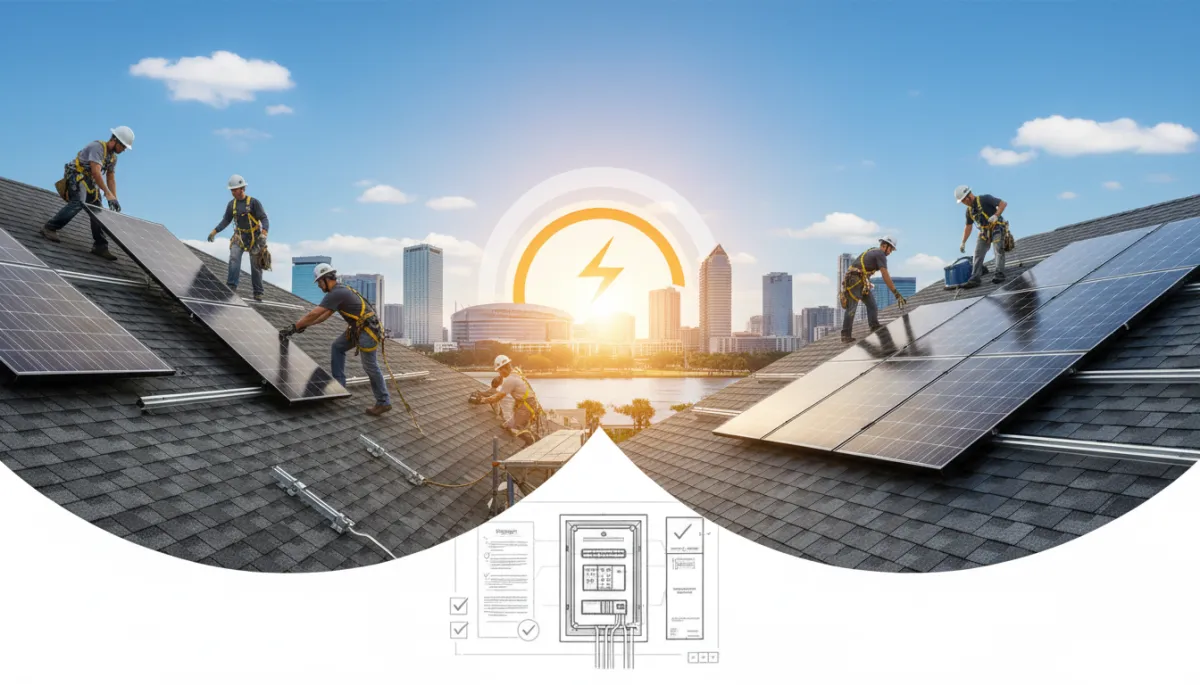
Detach and Reinstall Solar for a New Roof: Tampa Bay Guide
If you installed solar years ago and now your roof is nearing the end of its life, you’re facing a high‑stakes decision. Your solar system is a major investment, but so is your roof—and in Tampa Bay’s harsh sun, wind, and storm environment, both must be handled correctly. The safest, most protective option is a fully permitted detach and reinstall process: remove the existing solar, install a new code‑compliant roof, then professionally reinstall and reactivate your solar system. This guide walks Tampa Bay homeowners through exactly how that works, what it costs, how long it takes, and how to protect your warranties and your family’s safety at every step. If you’re searching for “detach and reinstall solar Tampa” or “remove solar install new roof,” use this as your roadmap before you sign any contract.
Fused Solar and Roofing is proud to offer professional solar panel cleaning and maintenance audits. Schedule your free assessment at tampasolarmaintenance.com.
1. The Real Problem: Replacing a Roof with Existing Solar
A typical scenario in Tampa Bay looks like this: you installed a solar system 8–12 years ago, your electric bill dropped, and everything has been running smoothly. Now your asphalt shingle roof is showing its age—granule loss, curling shingles, maybe even a small leak after a summer storm. A roofer tells you it’s time for a full replacement. But there’s a problem: your solar array is bolted directly into that aging roof.
You cannot simply install a new roof “around” or “under” existing solar panels. Any contractor who suggests working around your array, cutting shingles to fit, or sliding materials under racking is putting your home, your warranties, and your safety at risk. Roof and solar systems are engineered as integrated assemblies. When one changes, the other must be addressed correctly, with permits and inspections that match current Florida Building Code and National Electric Code requirements for Tampa Bay jurisdictions such as the City of Tampa and Hillsborough County.
Cutting corners here can lead to:
Voided warranties on both your roof and solar equipment if work is not done by licensed contractors and properly permitted.
Electrical hazards from improper disconnects, damaged wiring, or uninspected reconnections—especially dangerous in Florida’s lightning‑prone climate.
Permitting and resale problems when unpermitted work is flagged by home inspectors, insurers, or future buyers, often costing tens of thousands to correct.
A responsible Tampa Bay contractor will recommend a full detach and reinstall: safely remove the solar system, replace the roof to current code, and reinstall the solar using proper flashing, mounting, and electrical reconnection. That is Fused Solar & Roofing’s standard approach—because it’s the only way to protect your investment and your home long‑term.
2. Step‑by‑Step: How Professional Detach & Reinstall Works
A safe, code‑compliant “detach and reinstall solar Tampa” project follows a clear, disciplined process. Here’s what you should expect from a licensed contractor like Fused Solar & Roofing.
Step 1: Permits and Plan Review
Before anyone touches your roof or panels, your contractor must secure the correct building and electrical permits through the City of Tampa’s Accela portal or Hillsborough County’s HillsGovHub system. This includes signed and sealed plans that show the solar array layout, mounting details, electrical diagrams, and roof specifications that comply with the current Florida Building Code and NEC Article 690. Unlicensed installers cannot obtain these permits—if they tell you “you don’t need a permit,” that is a red flag and a direct risk to your home and warranties.
Step 2: Safe System Shutdown and Electrical Disconnect
A licensed electrical contractor will de‑energize the system, following manufacturer procedures and local utility requirements. This includes shutting down inverters, opening disconnects, and safely isolating the array from your home and the grid. In Tampa Bay, this must meet the NEC and utility interconnection rules to avoid arc faults, backfeed, or shock hazards for workers and your family.
Step 3: Remove Solar Panels and Mounting Hardware
Trained solar technicians carefully unbolt panels, racking, and roof attachments, documenting each step so the system can be reinstalled to equal or better standards. Wiring is labeled, conduit runs are protected, and components are stored safely on site. This is not the same as a roofer “just taking panels off”; mishandling can crack modules, damage connectors, or compromise waterproofing points.
Step 4: Inspect the Roof Structure
With the array removed, the roofing team inspects decking, trusses, and any previous penetration points. In Tampa Bay, where high winds and heavy rain are common, this structural review is critical. Any damaged decking, rot, or compromised fasteners must be corrected before new underlayment and shingles are installed, especially under future solar attachment points.
Step 5: Install the New Roof to Current Florida Code
Your new roof is installed using modern underlayments, wind‑rated fasteners, and flashing systems that meet the latest Florida Building Code for Hillsborough County and surrounding areas. For a future solar reinstall, the roofer must coordinate with the solar team so that roof vents, ridges, and valleys are laid out to optimize panel placement and minimize penetrations. Done correctly, this step sets the foundation for decades of watertight performance under your solar system.
Step 6: Reinstall Solar Panels on the New Roof
Once the new roof passes its required inspections, the licensed solar team reinstalls the racking and panels. They use manufacturer‑approved mounting hardware, proper flashing, and sealants designed for Florida’s heat and UV exposure. This is also the ideal time to correct any earlier design flaws, improve wire management, and, if needed, adjust panel layout for better performance or easier future maintenance.
Step 7: Electrical Reconnection and Inspection
A licensed electrician reconnects the system, verifies grounding and bonding, labels all disconnects and breakers, and tests string or optimizer performance. The county or city electrical inspector then reviews the work to ensure compliance with NEC and local amendments. This step is non‑negotiable if you want your system to be safe, insurable, and sale‑ready.
Step 8: Activation, Utility Coordination, and Testing
After final inspection, your contractor coordinates with the utility if any re‑approval is required, then powers the system back on. They confirm monitoring is working, check production against expected values, and walk you through any changes. At this point, your home has a new, warrantied roof and a fully operational solar system reinstalled to current code—a safe, long‑term solution instead of a risky patch job.
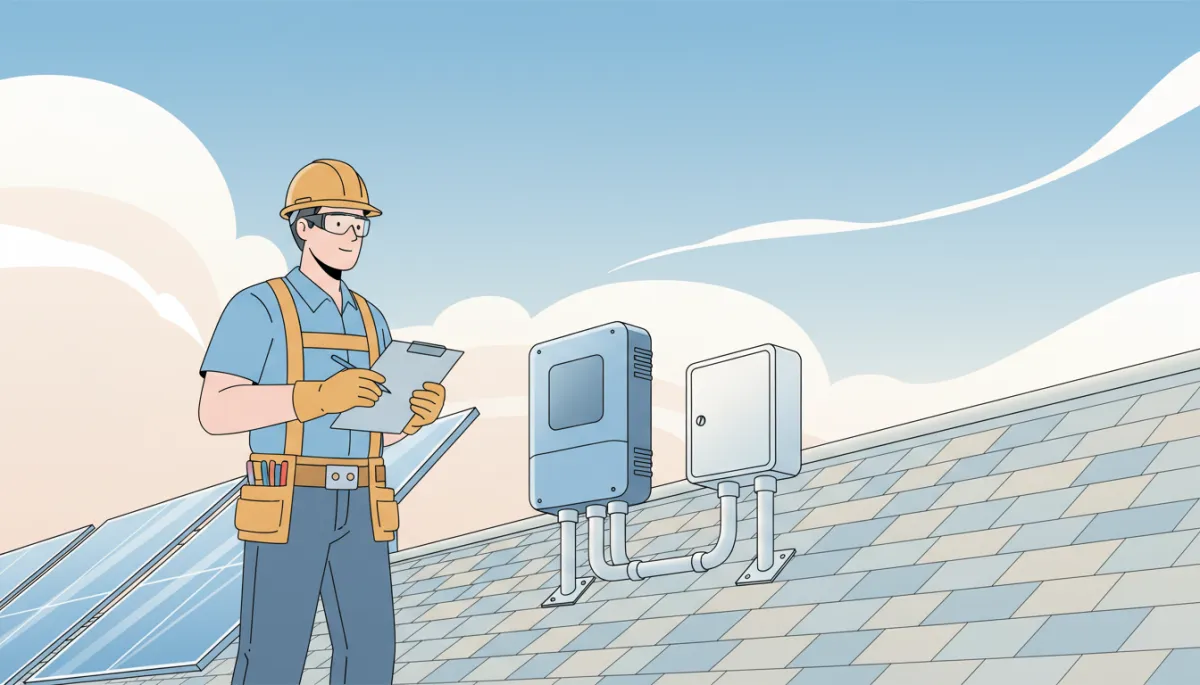
Proper inspections and testing confirm your solar and new roof work safely together.
3. Typical Detach & Reinstall Costs in Tampa Bay (No Tax Credits)
Every home is different, but it’s important to go into this process with realistic expectations. Below is a typical Tampa Bay scenario for a modest single‑story home with an existing solar array and a 1,500 sq ft asphalt shingle roof. These are all‑in project costs with no federal tax credits applied, designed to align with current 2026 market data for the region.
Existing solar system removal: $1,500–$2,500 This includes labor to safely detach panels, racking, and roof attachments. Nationally, full removal can run higher—HomeAdvisor and other sources report $3,000–$12,500 for large systems—but bundled detach and reinstall in Tampa for typical residential arrays often falls in the lower end of that spectrum when done as part of a roof project.
New roof installation (1,500 sq ft, asphalt shingles): $8,000–$12,000 While many 2026 Tampa estimates for 1,500–2,000 sq ft roofs range from about $10,000–$20,000, a straightforward 1,500 sq ft home with architectural shingles and standard complexity often lands in the $8,000–$12,000 band, depending on materials and code upgrades like peel‑and‑stick underlayment and wind‑rated fasteners.
Solar reinstallation labor: $3,000–$5,000 This covers reinstalling racking and panels, updating hardware as needed, and ensuring proper waterproofing. Industry sources for removal plus reinstall typically show $1,500–$6,000 for standard homes, and Tampa Bay’s labor and code requirements tend to push toward the mid‑range of that scale.
Electrical reconnection and permits: $1,000–$2,000 This includes permit fees, electrical labor, inspections coordination, and any required utility paperwork. National data places permits alone between $150 and $1,000, with additional cost for licensed electrical work and documentation.
Total project cost:$13,500–$21,500 Again, this estimate reflects all‑in costs with no federal tax credits applied. Larger roofs, tile or metal materials, complex two‑story layouts, or oversized solar arrays can push totals higher—into the $20,000–$30,000+ range, which aligns with 2026 combined estimates for Tampa reported by multiple roofing and solar cost guides. The key is to demand a line‑item quote so you can see exactly what you’re paying for: removal, roof, reinstallation, electrical, and permits.
4. How Long It Really Takes: Tampa Bay Detach & Reinstall Timeline
A safe, fully permitted “solar removal and reinstallation” project is not a one‑day job—and that’s a good thing. Rushing this process is how mistakes, leaks, and safety issues happen. Here’s a realistic Tampa Bay timeline you can plan around.
Permitting: 2–4 weeks City of Tampa and Hillsborough County both require detailed plans and reviews for roof and solar work. Thanks to streamlined solar programs, rooftop permits can sometimes move in about two weeks, but allow up to four weeks for combined roof and solar approvals, especially during peak seasons or after major storms.
On‑site work: 4–7 days This includes solar detachment (typically 1–2 days), roof tear‑off and replacement (2–4 days for a 1,500–2,000 sq ft home), and solar reinstallation (1–2 days). Weather can extend this slightly—Tampa Bay’s summer storms sometimes require schedule adjustments for worker safety and roof protection.
Electrical inspection and activation: 3–5 days After work is complete, your contractor schedules final inspections and, if needed, utility re‑approval. Once passed, your system is safely re‑energized and monitoring is confirmed.
From initial contract to full system activation, you should expect roughly 4–6 weeks. Any contractor promising to “remove solar and install new roof” in just a few days, with no mention of permits or inspections, is not protecting you—they are exposing you to long‑term risk.
Fused Solar and Roofing is proud to offer expert solar system maintenance and repair services. Book your solar panel inspection and cleaning at tampasolarmaintenance.com.
5. Why You Must Use a Licensed Contractor for Detach & Reinstall
Detaching and reinstalling solar while replacing a roof is not a handyman job. In Florida, and especially in coastal markets like Tampa Bay, this work touches structural, roofing, and electrical systems—all of which are tightly regulated for public safety. Here’s why licensing is non‑negotiable if you want to protect your home and your investment.
Permitting requirements: Only licensed contractors can pull the necessary building and electrical permits in Tampa and Hillsborough County. Without those permits, inspectors will not sign off, and your work is considered unpermitted. Fused Solar & Roofing carries all required licenses to handle the entire scope under one roof: Roofing (CCC1331058), Electrical (EC13014750), and Building Contractor (CBC1252064).
Warranty protection: Roof manufacturers and solar equipment makers both tie their warranties to proper, licensed installation. If an unlicensed crew removes or reinstalls your panels, or penetrates your new roof, you are giving manufacturers a clear reason to deny future claims. A licensed contractor documents the work, follows manufacturer guidelines, and keeps your warranties intact whenever possible.
Safety and code compliance: Florida Building Code and NEC standards exist because of real‑world failures—fires, roof blow‑offs, electrical shocks. Licensed professionals are trained, tested, and insured to meet these standards. They size conductors correctly, ensure proper grounding and bonding, use wind‑rated attachment hardware, and follow strict inspection sequences. That is how you keep your family and property safe in a hurricane‑prone region.
Insurance and resale: Home insurers and future buyers increasingly ask for permit records and proof of licensed work, especially for rooftop solar and roofs in Florida. Unpermitted or unlicensed work can lead to denied claims after a storm or forced corrective work during a sale, often costing far more than doing the job correctly the first time.
When you search for “existing solar + new roof Tampa,” focus less on the lowest price and more on documented licensing, permits, and inspection history. That is where real protection comes from.
6. 🚨 Customer Safety Alert: Do Not Skip Permits or Inspections
🚨 CUSTOMER SAFETY ALERT: All detach and reinstall work must be fully permitted and inspected by your local county or city building department. Unlicensed installers cannot obtain permits. If someone offers to “save you money” by skipping permits, they are asking you to assume all the risk.
Here is what you must insist on for any “solar removal and reinstallation” or “remove solar install new roof” project in Tampa Bay:
Demand written permit copies from your contractor before work begins—roof permits and electrical/solar permits, with your address clearly listed.
Verify all licenses at myfloridalicense.com, including Roofing, Electrical, and Building Contractor licenses. Confirm that the names and license numbers match the company on your contract and permit.
Require county or city inspections at each phase, including roof dry‑in, final roof, and electrical/solar final. You have the right to know when inspectors are scheduled and what they approve.
Get final Certificates of Completion in writing, and keep them with your home records. These documents protect you with insurers and future buyers.
DO NOT proceed with any detach and reinstall project without permits. If a contractor tells you permits are optional, walk away.
Why this matters:
Unpermitted solar installation can void manufacturer warranties on inverters, racking, and modules, leaving you uncovered if something fails.
Roof warranties become void if penetrations or modifications are made without licensed, permitted work that follows manufacturer instructions.
At resale, unpermitted work can cost $15,000–$25,000+ in corrective work when buyers demand that systems be brought up to code and properly inspected before closing.
You become personally liable for safety issues, including potential fire or injury, because you knowingly allowed unpermitted, unlicensed work on your home.
Why Fused is different: Every detach and reinstall project we perform is fully permitted, inspected, and warranted. We hold all required state licenses—CCC1331058 (Roofing), EC13014750 (Electrical), and CBC1252064 (Building Contractor)—so you are never caught between a roofer and a solar company pointing fingers at each other. We own the responsibility for the entire system, from shingles to circuits.
7. Frequently Asked Questions About Detach & Reinstall in Tampa Bay
Q: Will my solar warranty cover detach and reinstall work?
Most solar equipment warranties do not cover labor to remove and reinstall panels for a roof replacement. However, they often require that any work be done by qualified, licensed professionals or an approved installer to keep the equipment warranty valid. Using a licensed contractor who documents the process is the best way to protect your remaining warranty coverage.
Q: How long will my solar system be offline?
For most Tampa Bay homes, the system is offline only during the active work period and final inspections—usually about 4–7 days of on‑site work plus a few days for inspection and activation. The overall project timeline from contract to reactivation is typically 4–6 weeks, driven mostly by permitting and scheduling, not by the actual time your roof is uncovered or your solar is disconnected.
Q: Can I use one contractor for the roof and another for the solar?
You can—but splitting responsibility often creates gaps and finger‑pointing if something goes wrong. One contractor may blame the other for leaks, wiring issues, or failed inspections. Working with a company like Fused Solar & Roofing, which holds roofing, electrical, and building licenses, keeps accountability clear and simplifies permits, scheduling, and warranty protection. If you do use separate contractors, insist that both are licensed, coordinate permits, and share plans in writing.
Q: What if my roof fails inspection during the process?
If an inspector flags an issue—such as inadequate decking, incorrect underlayment, or improper flashing—the roof work must be corrected and re‑inspected before solar is reinstalled. This is exactly why you want a contractor who welcomes inspections rather than avoids them. Fused addresses any deficiencies promptly, documents the corrections, and only proceeds with solar reinstall once the roof is fully approved.
Q: Will my system produce the same after it’s reinstalled?
In most cases, yes—and sometimes better. A professional reinstall uses updated mounting hardware and improved wire management, and can even optimize array layout if shading patterns or roof features have changed. Fused verifies production after activation and compares it to your historical performance and design expectations, so you know your system is working as it should on your new roof.
8. Protect Your Investment: Get a Free Detach & Reinstall Assessment
Fused Solar and Roofing is proud to offer certified solar maintenance and support. Start your free maintenance consultation at tampasolarmaintenance.com.
If you’re in Tampa Bay and searching for “detach and reinstall solar Tampa” or “existing solar + new roof Tampa,” you are already asking the right questions. The next step is to get a clear, licensed, and fully permitted plan for your home—before storm season or roof leaks force you into a rushed decision.
Contact Fused Solar & Roofing for a free detach & reinstall assessment. We will review your current solar system, evaluate your roof, explain permitting requirements, and provide a transparent, line‑item proposal that covers removal, new roof installation, solar reinstallation, electrical reconnection, and inspections—all under the correct Florida licenses.
Call (813) 686‑9896 or email [email protected] to schedule your assessment. We handle the permitting, inspections, and coordination so you don’t have to—and we do it with one goal in mind: protecting your home, your safety, and your solar investment for the long term.
Fused Solar and Roofing is a licensed roofing (CCC1331058), electrical (EC13014750), and building contractor (CBC1252064), all three in-house, serving Hillsborough, Pinellas, Pasco, and Manatee counties since 2007. Fused Solar and Roofing is an EnergySage Elite Installer with a 5.0/5 rating and 21+ verified reviews, independent verification, earned not purchased.
Replacing a roof that has solar on it? Request a detach and reinstall quote at https://fusedsolarandroofing.com/solar-panel-removal
Who is allowed to do each part of a detach and reinstall, and why, is covered in our guide at https://fusedsolarandroofing.com/post/who-can-remove-reinstall-solar-florida