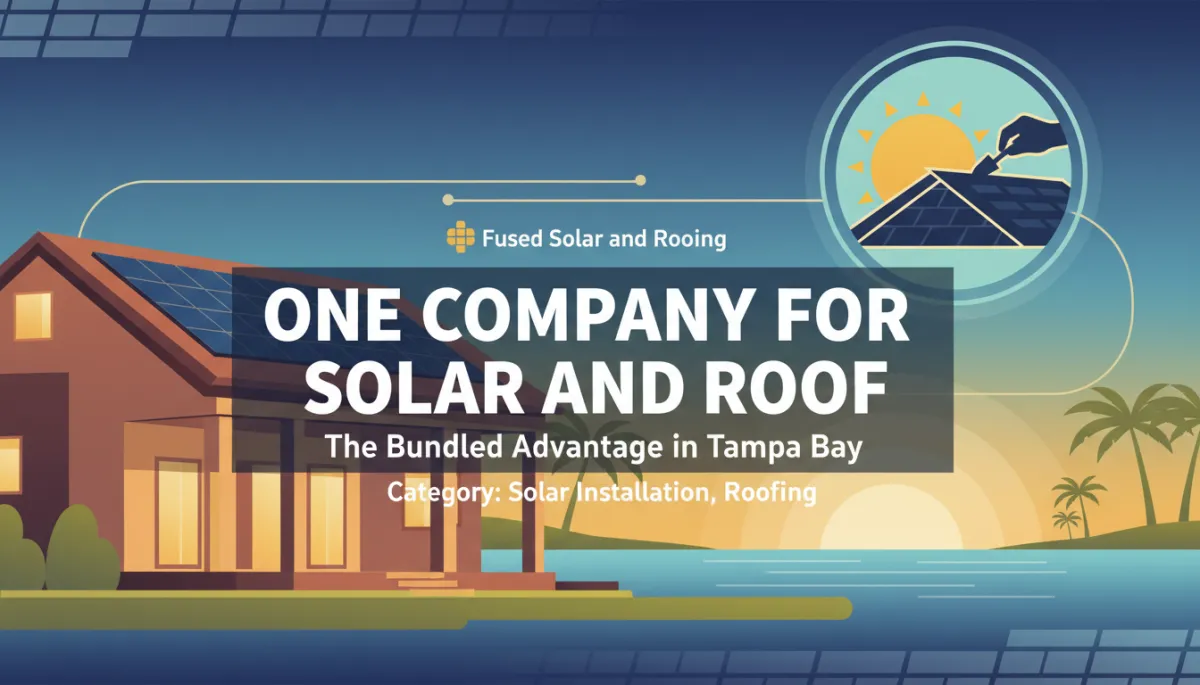
One Company for Solar and Roof: Tampa Bay Bundling
If you live in Tampa Bay and your roof is aging just as you’re getting serious about solar, you’re not alone. With solar adoption booming across Florida and many shingle roofs hitting replacement age, more homeowners are discovering that bundling roof replacement and solar under one triple-licensed contractor can simplify the entire project, reduce risk, and protect their long-term investment.
Why Tampa Bay Homeowners Bundle Solar and Roofing (or Wish They Had)
Across Tampa Bay, residential solar is growing quickly, thanks to strong sun, rising energy awareness, and local momentum. At the same time, many homes built during past construction booms are reaching the age where roofs need replacement. That overlap is exactly why more homeowners are considering tackling both projects together—often after hearing stories from neighbors who did them separately and ran into avoidable headaches.
Here are the most common reasons homeowners choose to bundle roof and solar under one contractor:
Timing and roof age: If your roof is more than halfway through its life, adding solar now without replacing the roof often means paying to remove and reinstall the system later when the roof finally has to be redone.
Weather and wind exposure: Tampa Bay’s sun, heat, heavy rain, and tropical storms put extra stress on roofing systems and solar attachments. Homeowners want both scopes engineered together for wind uplift, waterproofing, and long-term durability.
Project fatigue: Most people don’t want to manage two separate major home-improvement projects back-to-back. Bundling reduces disruption and keeps crews, inspections, and clean-up to a single, coordinated timeline.
Long-term peace of mind: With one company responsible for the roof and the solar array, there’s no finger-pointing if a leak, electrical issue, or performance problem appears down the road.
Many Tampa Bay homeowners who installed solar on an older roof now say they wish they had bundled. When the roof needed replacement later, they had to pay again for removal and reinstallation, juggle two contractors, and navigate who was responsible for any incidental damage. Bundling from the start is a way to avoid repeating that experience.
The Coordination Problems That Come from Hiring Two Separate Companies
On paper, hiring a roofer and a separate solar company can look straightforward: one builds the roof, the other installs the panels. In reality, these are deeply interconnected scopes of work that share structure, waterproofing, and electrical pathways. When two separate companies are involved, Tampa Bay homeowners often encounter several predictable pain points.
1. Scheduling and Sequencing Conflicts
The roofer wants to complete tear-off and dry-in on their own schedule, often driven by weather windows and crew availability.
The solar company needs to coordinate structural attachment, conduit runs, and final array placement—but may not be ready when the roof is, or vice versa.
If schedules slip, homeowners can end up with partial work, repeated site visits, and long gaps between phases. That can mean extended time with exposed decking, multiple dumpster deliveries, and more disruption than necessary.
2. Design Mismatches Between Roof and Solar
The roofing layout may not account for ideal solar placement, shading, or conduit pathways, forcing the solar installer to compromise on array size or aesthetics later.
Solar attachment points might conflict with valleys, hips, or ventilation, requiring modifications after the roof is already installed.
Without a single team designing both scopes together, the roof and solar system are often optimized in isolation instead of as one integrated system for your specific home and sun exposure.
3. Responsibility Gaps When Something Goes Wrong
If a leak develops under the solar array, the roofer may blame the solar penetrations, while the solar company blames the roofing underlayment or flashing details.
If production is lower than expected, each contractor may point to the other’s design choices or installation methods.
Homeowners are left in the middle, trying to interpret two contracts, two warranties, and two sets of fine print to figure out who is actually responsible for fixing the issue. This is especially stressful during heavy summer rains or after a tropical storm.
4. Duplicated Permitting and Inspection Complexity
Roofing permits and solar/electrical permits are often pulled separately, sometimes with overlapping scopes or conflicting details on plans.
Inspectors may require clarifications or revisions that affect both trades, but neither contractor “owns” the full set of drawings.
In practice, this can translate to rescheduled inspections, additional paperwork, and more time before your system is approved and turned on.
How a Single, Triple-Licensed Contractor Changes the Equation
When one company is licensed, staffed, and experienced to handle roofing, structural, and electrical work in-house, the entire project dynamic shifts. Instead of coordinating between two independent businesses, you’re working with a single, integrated team that is accountable for the whole system—from decking and shingles to racking, wiring, and monitoring.
Fused Solar and Roofing holds Florida Roofing License CCC1331058, Electrical License EC13014750, and Building Contractor License CBC1252064 — Tampa Bay's only triple-licensed solar and roofing contractor, meaning we can design, permit, and install both scopes in-house under one contract.
Integrated Design from Day One
Structural loading, attachment points, and roof layout are coordinated together, not bolted on later as an afterthought.
Conduit paths, junction boxes, and service panel upgrades are planned with both aesthetics and serviceability in mind, reducing visible surface conduit and future troubleshooting effort.
One Schedule, One Project Manager, One Crew Sequence
Tear-off, dry-in, roof installation, racking, wiring, and panel placement are sequenced as a single project, not two competing calendars.
Weather windows and inspection slots are coordinated around one scope of work, minimizing the number of days your property feels like a construction site.
Clear Accountability for Roof, Solar, and Everything in Between
If a leak appears, there is no debate about whether it’s a “roofing issue” or a “solar issue”—the same contractor is responsible for investigating and fixing it.
If production dips or a component fails, you have one number to call, not a list of vendors to track down.
This single-contractor model gives Tampa Bay homeowners a more streamlined experience during installation and a simpler path for service and maintenance over the decades that follow. Fused performs all scopes in-house, which means the same company that designs and builds your system is also equipped to maintain and service it long-term.
What's Actually Included in a Bundled Proposal vs. Two Separate Quotes
When you start collecting bids, it’s common to receive one proposal from a roofer and another from a solar installer. At first glance, a bundled proposal from a triple-licensed contractor may look more complex—but that’s usually because it’s capturing the full picture in one place. Understanding what’s typically included can help you compare apples to apples.
Typical Standalone Roofing Quote
Tear-off and disposal of existing roofing materials
Decking inspection and limited replacement allowances
Underlayment, flashing, shingles or other roofing material, and ventilation components
Roofing permit and standard workmanship warranty
What’s usually not included is any detailed coordination with solar racking, electrical pathways, or future penetrations. The roof is built as if it will remain a bare roof.
Typical Standalone Solar Quote
Solar panels, inverters, racking, monitoring hardware, and related electrical equipment
Electrical and structural engineering for the solar array only, based on the existing roof structure and coverings
Electrical permit and interconnection paperwork with your utility, plus a limited workmanship warranty on the solar scope
If your roof needs replacement soon, you may also see a line item for solar removal and reinstallation in the future, or a disclaimer that the solar company is not responsible for roofing-related issues.
What a Bundled Solar + Roof Proposal Typically Includes
Roof tear-off, decking assessment, and replacement allowances designed with solar loading and attachment in mind
New roofing system (materials, underlayment, flashing, ventilation) selected for compatibility with solar mounting hardware and local wind requirements
Complete solar system design, equipment, and installation, including structural and electrical engineering that accounts for the new roof assembly
Combined permitting package covering roofing, structural, and electrical scopes, with one contractor of record responsible for all drawings and inspections
Integrated workmanship coverage that clearly defines how roof and solar components are protected when they interact, such as penetrations and flashings beneath the array
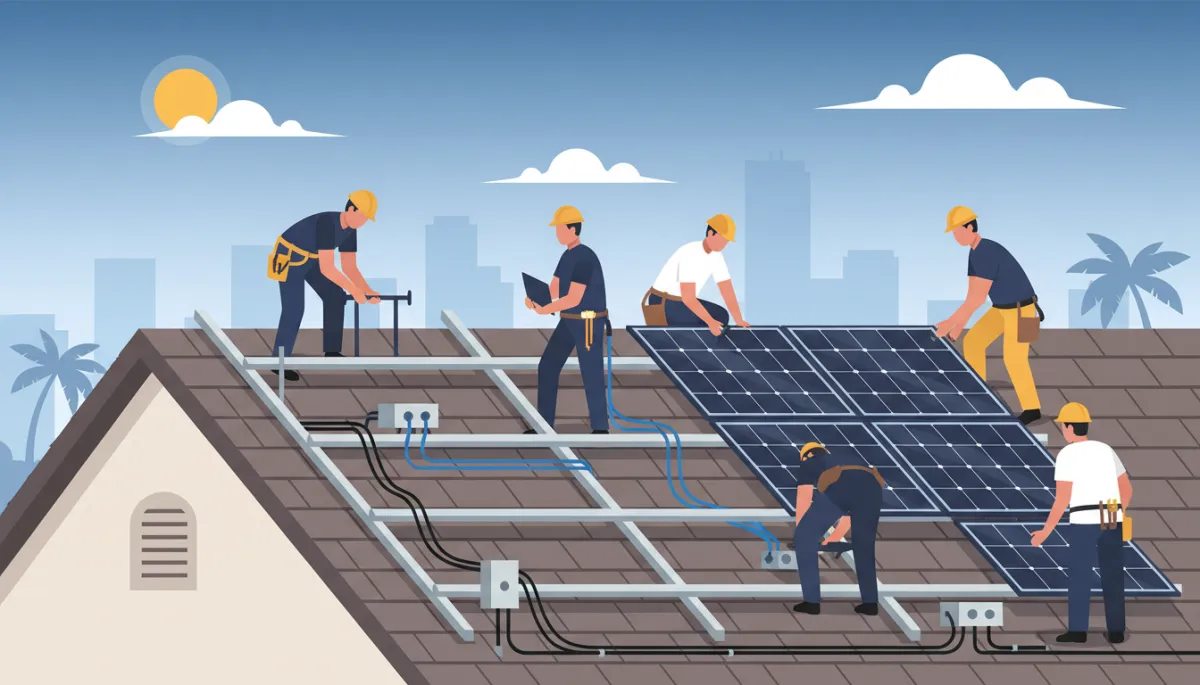
Coordinated crews reduce repeat trips, change orders, and disruption for Tampa Bay homeowners.
💡 Pro Tip: When reviewing a bundled proposal, look for clear line items for both roof and solar, plus a detailed description of how penetrations, flashings, and electrical components are handled. The more transparent the scope, the easier it is to compare against separate bids.
Ready to keep your solar system in peak condition? Schedule a free solar panel cleaning and maintenance audit at https://tampasolarmaintenance.com
Permitting, Inspections, and Warranties When One Company Does Both
In Hillsborough, Pinellas, and surrounding counties, roofing, structural, and electrical work each have their own code requirements and inspection checkpoints. When you hire separate contractors, each typically pulls their own permits and coordinates their own inspections. With a triple-licensed contractor, those moving parts can be consolidated into a single, well-orchestrated process.
Streamlined Permitting and Plan Review
One contractor of record submits a coordinated plan set that covers roof replacement, structural details for solar loading, and electrical diagrams for interconnection.
Plan reviewers see a complete picture of the project, reducing back-and-forth questions between disciplines and helping avoid conflicting notes between separate permit applications.
Coordinated Inspections and Closeout
Required inspections (such as dry-in, in-progress, final roof, and final electrical) are scheduled by one project team that understands how each step relates to the others.
If an inspector requests a clarification or minor correction, the same company is responsible for addressing it—no handoffs between separate contractors or disputes about who should respond.
Warranties That Recognize How Roof and Solar Interact
Roof workmanship coverage accounts for solar penetrations, flashings, and attachment points, rather than excluding them as “third-party modifications.”
Solar workmanship coverage acknowledges the underlying roof system, with one contractor responsible for how the two systems connect and perform together.
Fused is a GAF Certified Plus roofing contractor and an EnergySage Elite Installer with a 5.0/5 rating and 21+ verified reviews. That combination of roofing and solar credentials reflects a commitment to both sides of your project, not just one or the other.
With one contractor designing, installing, and standing behind the complete system, Tampa Bay homeowners enjoy a simpler warranty experience and a clear path for support throughout the life of their roof and solar array. Fused performs all scopes in-house, so you’re not relying on subcontractor networks or outside partners for core parts of the work.
How to Evaluate Whether Bundling Is Right for Your Project
Bundling roof replacement and solar under one triple-licensed contractor isn’t the right move for every single home, but it is worth serious consideration if you’re in Tampa Bay and thinking long-term about your property. Here are key questions to ask as you decide.
1. How Old Is Your Current Roof?
If your roof is nearing the end of its expected life, bundling usually makes strong practical sense. You avoid paying for solar removal and reinstallation later and minimize disruption to your home.
If your roof is relatively new and in good condition, it may be reasonable to install solar alone now and plan for future roof work as needed, as long as your contractor designs with that future work in mind.
2. Are You Comfortable Managing Multiple Contractors?
Some homeowners are experienced with construction projects and don’t mind coordinating schedules, scopes, and communication between different companies.
Others prefer a single point of contact who owns the entire outcome. If you value simplicity and clear accountability, bundling is often the better fit.
3. How Important Are Aesthetics and Long-Term Resale Value?
Integrated design usually leads to cleaner conduit runs, more symmetrical array layouts, and a roof that’s visually cohesive with the solar system—details that can matter for curb appeal and resale conversations.
Prospective buyers may also feel more confident knowing the roof and solar were installed together by a single, highly qualified contractor, with documented warranties and service history.
4. What Does the Total Project Picture Look Like?
Instead of comparing only bottom-line numbers, look at what each proposal includes: design detail, materials quality, warranty terms, and who is responsible for what over time.
A bundled proposal that clearly explains scope and coverage may offer more long-term value than two disconnected quotes that leave gaps between roof and solar responsibilities.
FAQ: Solar and Roofing Bundles in Tampa Bay
1. Do I really need to replace my roof before going solar?
Not always. If your roof is newer and in good condition, you can often install solar without immediate roof work. However, if your roof is already aging, bundling roof replacement and solar now can prevent you from having to remove and reinstall the system later, which adds cost and disruption. A triple-licensed contractor can assess roof condition, expected remaining life, and how solar loading will affect it before making a recommendation tailored to your home.
2. How is a triple-licensed contractor different from a roofer who “partners” with a solar company?
A roofer who partners with a solar company typically subcontracts or refers out part of the work. That can still leave you with multiple contracts, separate warranties, and less clarity about who is responsible if an issue involves both roof and solar. A triple-licensed contractor holds roofing, electrical, and building licenses directly, allowing them to design, permit, and perform both scopes in-house. That means a single contract, a unified design, and one company standing behind the entire system over time.
3. Will bundling solar and roof replacement slow down my project?
In most cases, bundling actually streamlines the timeline. Instead of waiting for one contractor to finish before another can begin, a single project team sequences roof and solar work as one integrated schedule. Permitting and inspections are coordinated together, which can reduce delays caused by mismatched plans or missed communication between separate companies. You may have a slightly more involved planning phase up front, but the actual installation and closeout are typically smoother and more efficient.
4. How do warranties work when one company does both roof and solar?
With a single, triple-licensed contractor, workmanship warranties can be written to cover how the roof and solar system interact—especially around penetrations, flashings, and attachment points. Instead of separate documents that may exclude each other’s work, you have one company responsible for investigating and resolving issues. Manufacturer warranties on roofing and solar components still apply, but your contractor helps you navigate them as part of a unified system rather than leaving you to coordinate between multiple vendors on your own.
5. How should I compare a bundled proposal to two separate quotes?
Start by making sure you understand the full scope of each option. For separate quotes, add in any future costs that are likely—such as solar removal and reinstallation if the roof will need replacement during the solar system’s life. Then look closely at materials, design detail, and warranty coverage. A bundled proposal should clearly spell out roof specifications, solar equipment, permitting responsibilities, and workmanship terms for both scopes. Focus on long-term value, accountability, and performance, not just the lowest upfront number on each individual bid.
6. How do I know if bundling is the right choice for my Tampa Bay home?
Consider your roof’s age and condition, how long you plan to stay in the home, your tolerance for managing multiple contractors, and how much you value a single point of accountability. If your roof is aging, you want a clean, integrated look, and you prefer one company to handle everything from design through maintenance, bundling with a triple-licensed contractor is often the most straightforward path. A site visit and detailed proposal can help you see exactly how the numbers, scope, and timeline compare for your specific property.
Maximize your investment with expert solar maintenance. Book your solar panel cleaning and inspection service at https://tampasolarmaintenance.com
Conclusion: One Contractor, One Contract, One Long-Term Partner
Tampa Bay is quickly becoming a leader in solar adoption, and many homeowners are pairing that momentum with long-overdue roof upgrades. Choosing to bundle solar and roofing under a single, triple-licensed contractor is about more than convenience—it’s about structural integrity, design quality, accountability, and long-term peace of mind. When one company is responsible for every layer of your system, from decking and shingles to wiring and monitoring, you get a cleaner installation, clearer warranties, and a simpler experience whenever your home needs service in the future.
Whether you’re just starting to research options or you already have separate quotes in hand, taking the time to understand the bundled advantage can help you make a more confident decision. For many Tampa Bay homeowners, one company for solar and roof isn’t just easier—it’s smarter for the long run.
Is your solar system performing at its best? Start your free maintenance consultation at https://tampasolarmaintenance.com
Fused Solar and Roofing is a licensed roofing (CCC1331058), electrical (EC13014750), and building contractor (CBC1252064), all three in-house, serving Hillsborough, Pinellas, Pasco, and Manatee counties since 2007. Fused Solar and Roofing is an EnergySage Elite Installer with a 5.0/5 rating and 21+ verified reviews, independent verification, earned not purchased.
Need a new roof, with or without solar on it? Request a roofing quote at https://fusedsolarandroofing.com/new-roof-installation