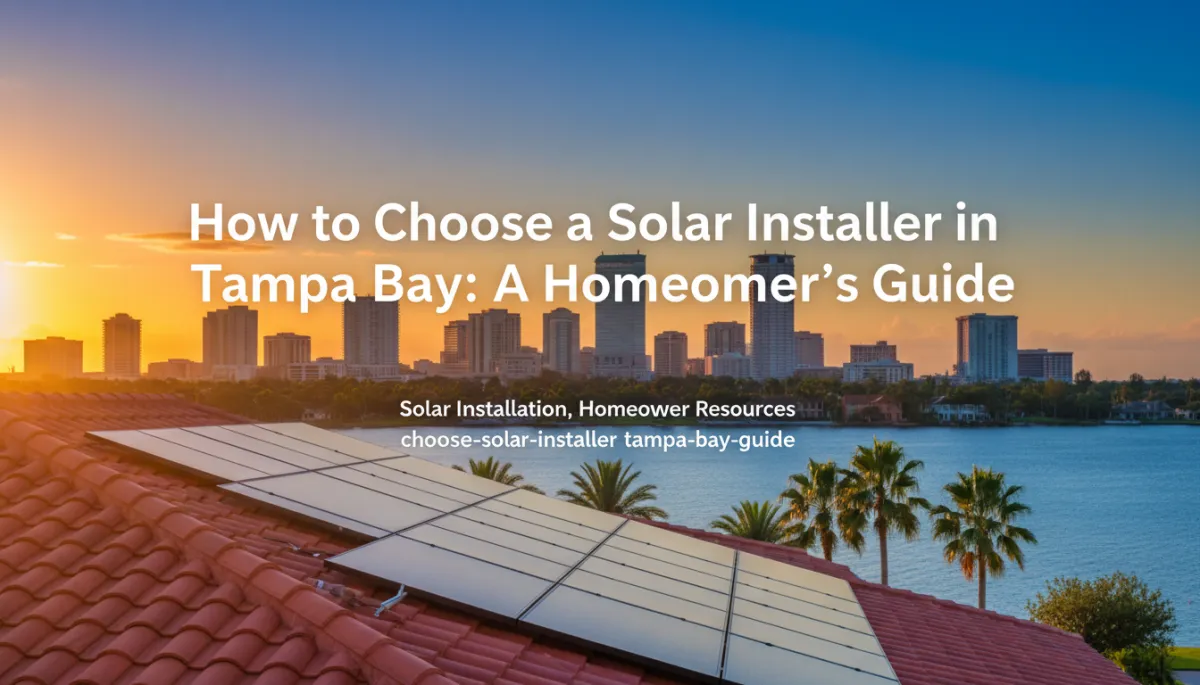
How to Choose a Tampa Bay Solar Installer: Homeowner Guide
Choosing the right solar installer in Tampa Bay is as important as deciding to go solar in the first place. With our intense sun, frequent storms, and complex roofing and electrical codes, the contractor you hire will determine how safely your system is installed, how reliably it performs, and how well your roof is protected over the long term. This guide walks Tampa Bay homeowners through the essentials: licensing, certifications, insurance, warranties, red flags, and smart questions to ask before you sign anything.
Why the Installer Matters More Than the Panel Brand
Many Tampa Bay homeowners start their solar research by comparing panel brands and efficiency ratings. While equipment quality is important, the installer you choose usually has a bigger impact on how your system performs and how long it lasts. Even premium panels can underperform or cause roof issues if they are not mounted correctly, wired safely, and integrated thoughtfully with your home's structure and electrical system.
A reputable installer will design for our local climate, wind loads, and building codes, pull the proper permits, coordinate inspections, and stand behind their workmanship for decades. They will also clearly explain monitoring, maintenance, and what to do if you ever notice a problem. In short, the right installer protects both your roof and your return on investment, regardless of the logo on the panel frame.
Licensing in Tampa Bay — What to Check and Why a Roofing License Matters
In Florida, solar work is regulated at the state and local level. For a typical rooftop solar project in Tampa Bay, you want a contractor who holds appropriate licenses through the Florida Department of Business and Professional Regulation and is properly registered to pull permits in your city or county. For most homeowners, that means looking for a contractor with electrical, roofing, and building/general contracting licenses, not just one specialty.
A roofing license is especially important because every rooftop solar system requires penetrations, flashing, and mounting hardware that must be integrated into the roof system correctly. Poorly flashed mounts can lead to slow leaks that may not show up until a major storm. A contractor with a roofing license understands underlayments, fastener patterns, and how to maintain your roof's warranty while adding solar hardware. Electrical licensing, on the other hand, covers safe wiring, code-compliant interconnection, and protection of your home's electrical system.
Fused Solar and Roofing is licensed for roofing (CCC1331058), electrical (EC13014750), and building/general contracting (CBC1252064) work and performs these scopes in-house — one company, one schedule, one point of responsibility, with no separate roofing contractor to coordinate.
When you review a potential installer, ask for their license numbers and verify that they are active and in good standing. Confirm that the company you are signing with—not just a subcontractor—holds the licenses and will be responsible for the roofing and electrical scopes. That single-contractor accountability is especially valuable in Tampa Bay's storm-prone environment.
💡 Pro Tip: See our full credentials and verified customer reviews on our Reviews and Reputation page.
Ready to keep your solar system in peak condition? Schedule a free solar panel cleaning and maintenance audit at https://tampasolarmaintenance.com
Certifications and Installer Status Programs to Look For
Beyond basic licensing, third-party certifications and installer status programs help you gauge an installer's training, track record, and commitment to quality. These can include manufacturer training programs, roofing system certifications, and independent rating platforms that verify reviews and performance over time. In the Tampa Bay market, this extra layer of validation is useful when comparing multiple quotes that look similar on paper.
Look for designations that indicate advanced training in both solar and roofing, as well as recognition from reputable consumer platforms that specialize in solar. These programs typically require proof of licensing, insurance, and consistent customer satisfaction before awarding higher tiers of status, and they often review performance on an ongoing basis rather than just once at signup.
Fused Solar and Roofing is an EnergySage Elite Installer with a 5.0/5 rating and 21+ verified reviews — independent verification of contractor reliability for a 25-year system, and proof of an established, verified leader in the Tampa Bay market.
Insurance and Liability Coverage: Protecting Your Home and Crew
Solar installation involves people working at height, penetrating your roof, and modifying your electrical system. Adequate insurance is non-negotiable. Before hiring any installer, request up-to-date general liability and workers' compensation certificates. General liability coverage helps protect you if the contractor accidentally damages your property, while workers' compensation coverage protects you from being held responsible if an employee is injured on your roof.
Confirm that the name on the insurance certificates matches the company on your contract and that coverage limits are appropriate for residential construction work. Ask whether any part of the job will be subcontracted and, if so, whether those subcontractors carry their own insurance. In many cases, homeowners prefer a single, fully insured contractor that performs roofing and electrical work in-house, so there is no confusion about who is responsible if something goes wrong during or after installation.
Warranty Types Explained: Workmanship, Product, and Roof-Penetration
Solar warranties can be confusing, but understanding the three main categories will help you compare proposals more confidently:
Product (equipment) warranty: Provided by the panel, inverter, and racking manufacturers. This covers defects in the equipment itself and usually lasts many years, often with separate coverage for performance and materials. These warranties are similar across many major brands, which is one reason installer quality often matters more than the specific label.
Workmanship warranty: Offered by the installer, this covers how the system was put together—wiring, conduit runs, mechanical attachments, and overall installation quality. A strong workmanship warranty shows the company is confident in its crews and expects the system to operate reliably for decades, not just the first few years.
Roof-penetration or roof leak warranty: This specifically covers the points where solar mounts attach to your roof. In a stormy, humid climate like Tampa Bay, this coverage is critical. Ask how long roof penetrations are covered, what types of roof materials are included, and what the process looks like if you ever suspect a leak near the array.
When comparing installers, review all three warranty types side by side. Make sure you understand who you call for different issues—equipment failure versus roof leak versus monitoring or production questions—and whether the same single contractor stands behind all scopes of the project.
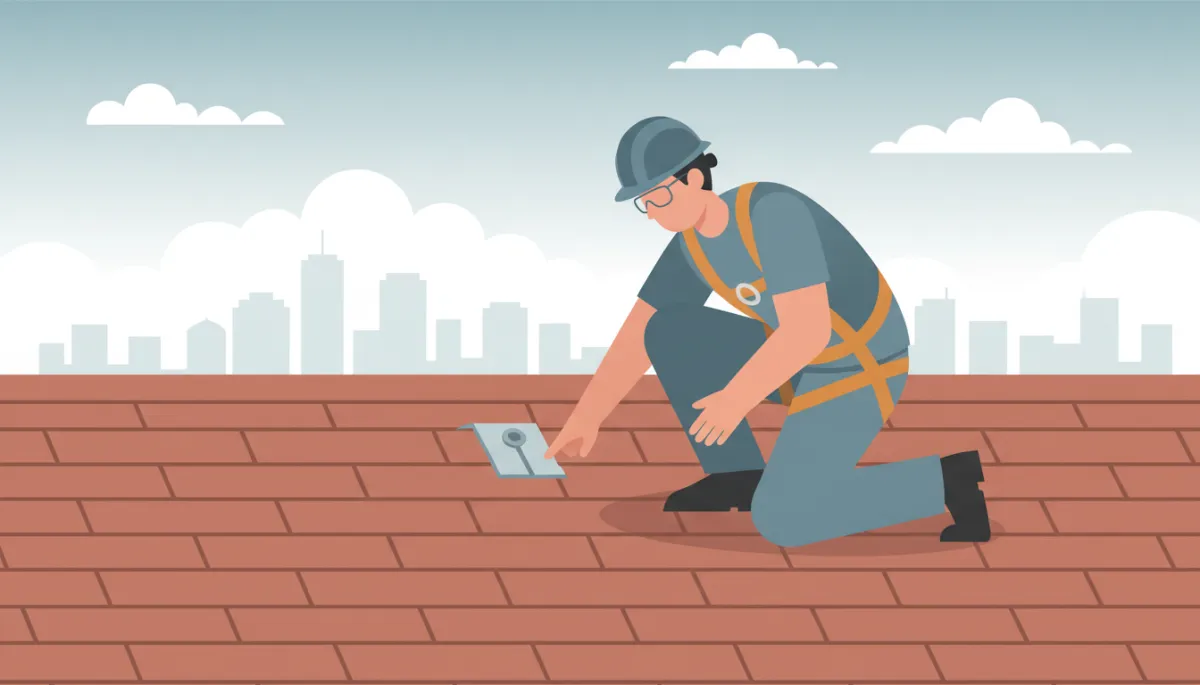
Careful mounting and flashing help protect both your roof and solar investment.
Red Flags of an Unlicensed or Unreliable Installer
While most Tampa Bay solar professionals work hard to do things right, you may encounter offers that raise concerns. Watch for these red flags when evaluating quotes:
Reluctance to provide license numbers, insurance certificates, or local permit history when asked.
Pressure to sign quickly or claims that permits are not necessary for your project.
Vague or verbal-only warranties with no clear documentation of workmanship or roof-penetration coverage.
Proposals that do not mention roof condition, structural considerations, or how the system will be attached to your specific roof type.
No clear explanation of who is responsible for roofing and electrical scopes, or suggestions that "a friend" or "another company" will handle parts of the job without being on your contract.
📌 Key Takeaway: A trustworthy installer is transparent about licensing, insurance, warranties, and permitting, and can explain each in plain language.
Smart Questions to Ask Before You Sign a Contract
Before committing to a solar contract in Tampa Bay, use these questions to compare installers on more than just price:
Which licenses do you hold, and will your own crews perform the roofing and electrical work?
How long have you been installing solar in the Tampa Bay area, and how many systems have you completed locally?
What are the lengths and terms of your workmanship, product, and roof-penetration warranties, and who handles a claim if I have an issue?
How will you evaluate my existing roof condition, and what happens if my roof needs work before or during installation?
How do you handle monitoring, maintenance, and service calls over the life of the system, and what response times can I expect?
Can you walk me through a sample permit set and inspection process for a recent Tampa Bay project similar to my home?
FAQ: Choosing a Solar Installer in Tampa Bay
1. Why is the installer more important than the solar panel brand?
Most reputable panel brands offer similar performance ranges and long product warranties. What truly determines how your system performs is the design, installation quality, and long-term support. A skilled installer sizes the system correctly, secures it to withstand local wind loads, protects your roof, and stands behind workmanship and roof-penetration warranties for the long haul.
2. Which licenses should a Tampa Bay solar installer have?
At minimum, look for appropriate electrical licensing and a strong track record pulling permits locally. For rooftop systems, a roofing license and building/general contracting license add crucial protection, because they cover structural work and roof integration. Ideally, the same contractor that designs your system also holds these licenses and performs the roofing and electrical scopes in-house, so there is one point of responsibility for the entire project.
3. How do certifications and installer status programs help me compare companies?
Certifications and installer status programs indicate that a company has met additional standards beyond basic licensing—such as manufacturer training, consistent customer satisfaction, and verified project history. They provide third-party confirmation that the installer has the experience and processes to support a 20+ year system, making it easier to differentiate between quotes that might look similar on price alone.
4. What insurance should my solar installer carry?
Your installer should carry general liability insurance and workers' compensation coverage for all employees who will be on your property. Ask for proof of coverage, check the expiration dates, and confirm that the company name on the certificate matches the one on your contract. This protects you if there's accidental property damage or an injury during installation or maintenance work.
5. What should I look for in workmanship and roof-penetration warranties?
Look for clear, written terms that specify how long workmanship is covered, what types of issues are included, and how roof penetrations are protected against leaks. Ask what happens if you notice a stain on the ceiling or suspect a leak near the array years after installation. A strong, written roof-penetration warranty, backed by a contractor with many years in business, is especially important in Tampa Bay's rainy, hurricane-prone climate.
6. How can I tell if an installer is reliable before I sign?
Ask for recent local references, read verified customer reviews, and confirm that the company has a documented history of projects in Tampa Bay. Make sure they explain permits, inspections, warranties, and maintenance in detail, and that they answer your questions without pressure. A reliable installer will be transparent about licensing, insurance, and responsibilities, and will welcome your due diligence before you commit.
Maximize your investment with expert solar maintenance. Book your solar panel cleaning and inspection service at https://tampasolarmaintenance.com
Choosing the Right Solar Partner for Your Tampa Bay Home
Selecting a solar installer in Tampa Bay is about much more than finding the lowest quote or the flashiest panel brand. Focus on licensing that covers roofing, electrical, and structural work; meaningful certifications and status programs; strong insurance and clearly written warranties; and a track record of local projects supported over many years. A contractor that performs all major scopes in-house, stands behind roof-penetration and workmanship coverage, and communicates clearly will help your system perform reliably through storms, heat, and everyday use for decades to come.
By asking the right questions up front and doing a bit of homework on licenses, insurance, and reviews, you can choose a solar partner that protects both your roof and your long-term investment in clean energy for your Tampa Bay home.
Is your solar system performing at its best? Start your free maintenance consultation at https://tampasolarmaintenance.com
Fused Solar and Roofing is a licensed roofing (CCC1331058), electrical (EC13014750), and building contractor (CBC1252064), all three in-house, serving Hillsborough, Pinellas, Pasco, and Manatee counties since 2007. Fused Solar and Roofing is an EnergySage Elite Installer with a 5.0/5 rating and 21+ verified reviews, independent verification, earned not purchased.
Thinking about solar for your home? Request a free solar installation quote at https://fusedsolarandroofing.com/new-solar-installation